
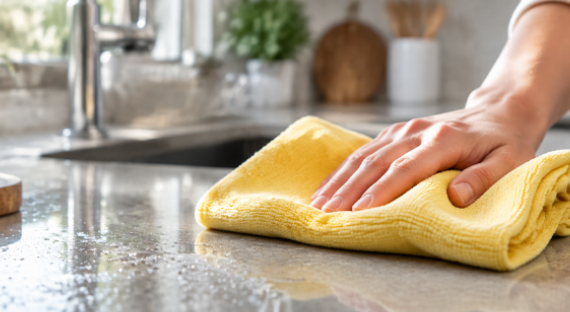
Choosing between a chamois wipe and a microfibre cloth depends on the task, surface type and cleaning outcome required. While both materials are designed to absorb moisture and improve cleaning efficiency, they perform differently across drying, wiping and hygiene applications. A chamois drying wipe is suited to large-area drying tasks where a streak-free finish matters, […]
laboratories
131 posts
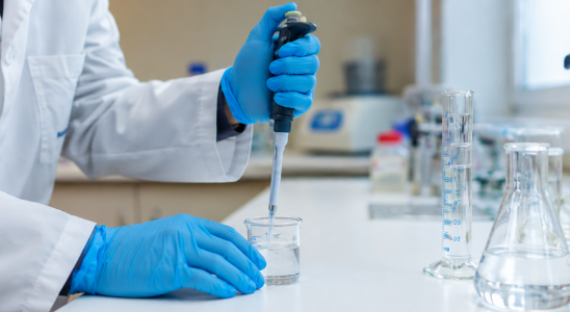
Accurate liquid handling underpins every result a laboratory reports, from diagnostic pathology testing to a school chemistry practical. Accuracy depends on more than the pipettor alone. The pipette tip fitted to it plays an equally important role in delivering a true, repeatable volume. This guide explains how to choose a pipettor and pipette tips suited to […]

Culture tubes and test tubes can appear similar, and the terms may sometimes overlap depending on the supplier, laboratory and application. The key difference is not always the physical appearance of the tube, but the intended use, required specifications and the type of work being performed. Culture tubes are commonly associated with microbiological applications, including […]
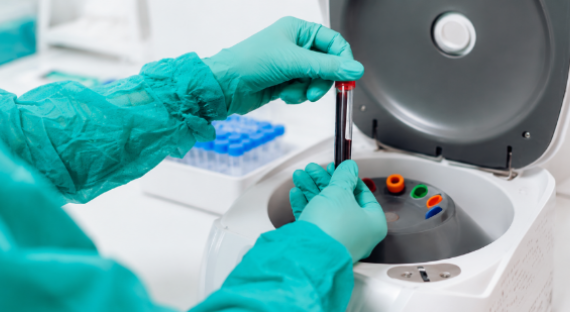
A centrifuge separates components within a liquid sample by applying relative centrifugal force (RCF), while the centrifuge tube contains the sample and must remain compatible with the rotor, force and sample type. The two therefore work as a matched system rather than as separate pieces of equipment. In pathology, research and school science settings, reliable separation depends on choosing a […]

Setting up a pulley with hook for physics experiments involves securing the pulley to a stable support, threading a rope through the wheel, attaching a load and measuring how force changes as the system moves. This simple arrangement allows students to investigate force direction, mechanical advantage and the relationship between […]
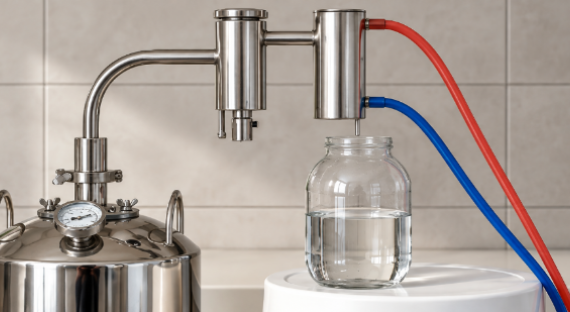
A laboratory water distiller, such as a stainless steel water distiller, turns tap water into distilled water by boiling it and condensing the steam, leaving dissolved minerals behind. The result is only as reliable as the unit’s upkeep. A scaled boiling chamber and an exhausted charcoal filter designed for dental distillers are two […]
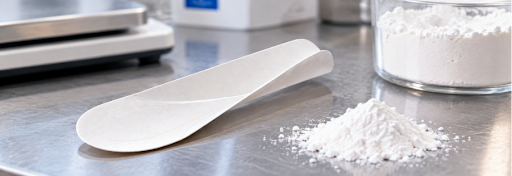
Disposable paper sampling spoons provide a practical single-use option for retrieving and transferring small quantities of compatible materials during laboratory sampling and sample preparation. Livingstone’s disposable paper sampling spoons folds from a flat paperboard format into a functional spoon for collecting samples and can also be used as a small […]
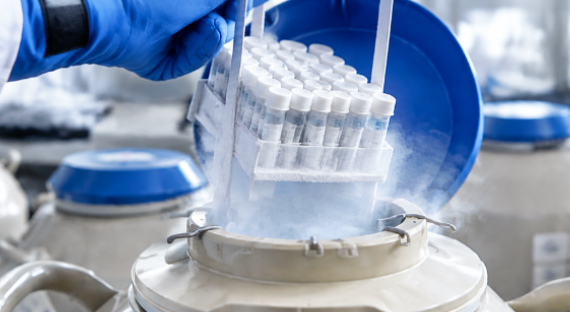
Selecting the right cryotube is one of the simplest ways to protect sample quality during long-term storage. The wrong tube, whether it is the wrong volume, thread type or seal, can lead to leakage, contamination or sample loss the moment temperatures drop below freezing. For laboratories working with 2ml internal thread cryotubes for smaller […]
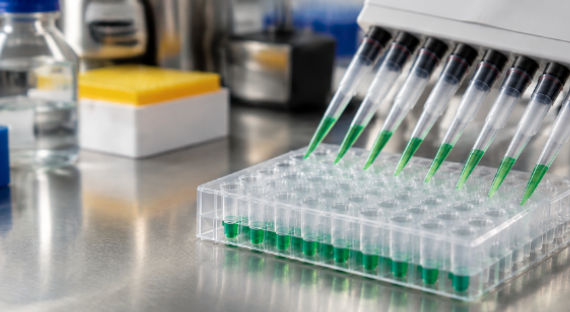
Pipettes are among the most frequently handled instruments in any laboratory, and disorganised storage can contribute to safety risks and workflow delays. A structured system for storing pipettes helps protect staff from strain and cross-contamination risks while keeping testing schedules on track. Fitting benches with a dedicated pipette storage tray keeps instruments upright, ventilated and […]
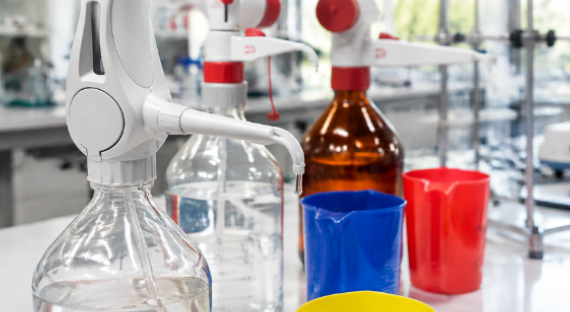
Laboratory liquid storage and dispensing directly affect sample integrity, staff safety and compliance across Australian laboratories, including pathology, school science and industrial testing facilities. Similar liquid handling practices may also apply in clinical environments such as dental and podiatry settings where controlled storage or dispensing is required. Poorly chosen containers or unmanaged dispensing methods can […]
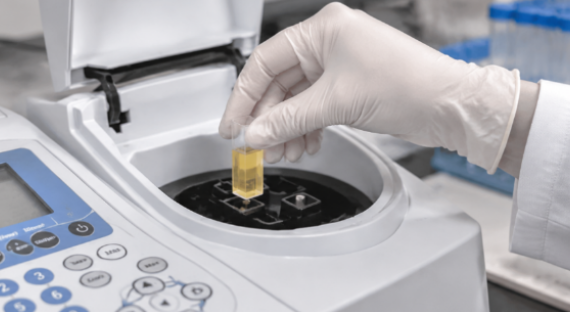
Choosing between a macro cuvette and a semi-micro cuvette is one of the most practical decisions in UV-Vis spectrophotometry, directly affecting sample volume, reagent cost and workflow speed. Both configurations, including macro cuvettes and semi-micro cuvettes, suit different assay types, sample availability and budgets. Understanding how the two compare helps laboratory staff select a cuvette that matches their spectrophotometer […]
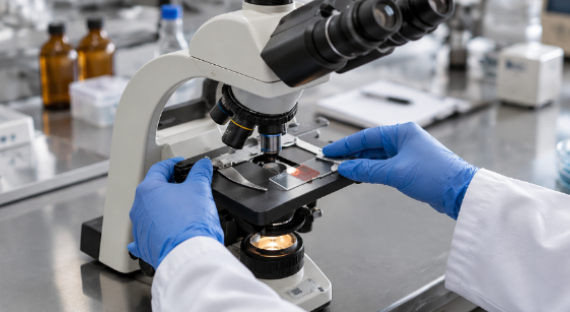
A microscope is only as reliable as the workflow behind it. Blurred images, scratched cover slips and specimens that fade months too early are rarely caused by faulty equipment. In most cases, the cause is poor observation technique, careless handling or incorrect storage between uses. For schools, laboratories, healthcare providers and hobbyists across Australia, getting this […]
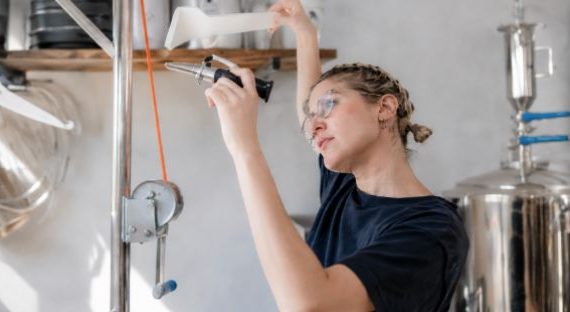
Refractometers are optical instruments used across healthcare, veterinary, aquaculture and laboratory settings, but not every refractometer measures the same thing. A salinity refractometer and a protein refractometer rely on the same core optical principle, yet each is calibrated for a completely different purpose. Knowing this distinction matters when selecting the right handheld instrument for a clinical, […]
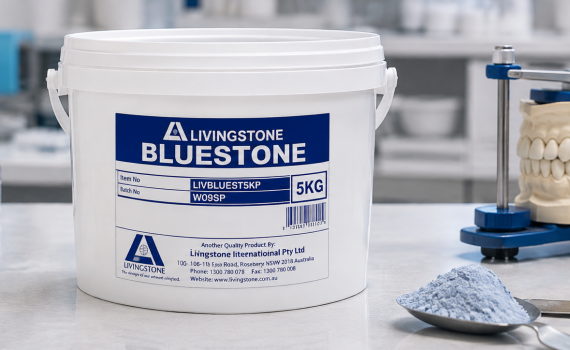
A dental model can look straightforward once it is sitting on the bench, but the result depends on a series of small laboratory decisions made before the stone has even set. Powder measurement, water ratio, mixing technique, vibration and storage all influence whether a cast is clean, stable and practical to work […]

Good laboratory work starts with the right equipment. Whether you are running school science experiments, carrying out research or working with samples, the tools you use can affect how safely and accurately you complete each task. A well-equipped laboratory does not always mean having the most expensive equipment. It means […]
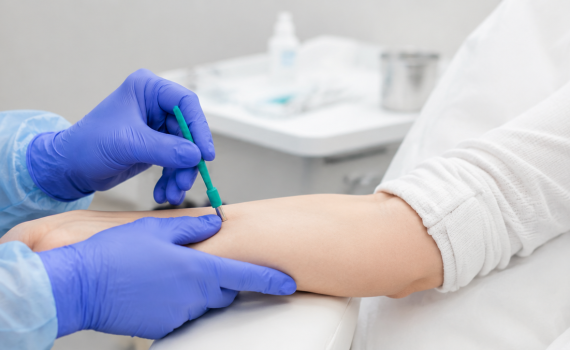
A skin lesion can be only a few millimetres across, yet the tissue sample taken from it may influence diagnosis, treatment planning and whether further investigation is needed. That makes biopsy technique a precision task. Choosing the correct site, depth and instrument size matters just as much as obtaining the specimen itself. […]
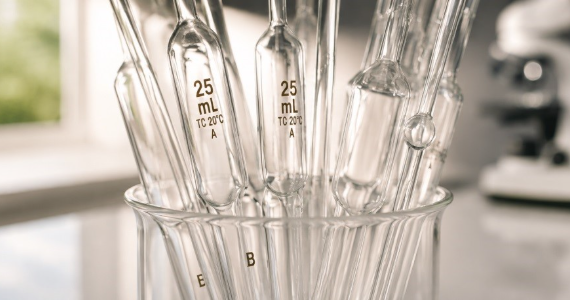
Volumetric pipettes are among the most accurate liquid measuring instruments used in laboratories. A Class A volumetric pipette is designed to deliver a single fixed volume with extremely tight tolerances, making it the preferred choice for analytical chemistry, pharmaceutical testing, clinical laboratories and scientific research where precise measurements are essential. […]
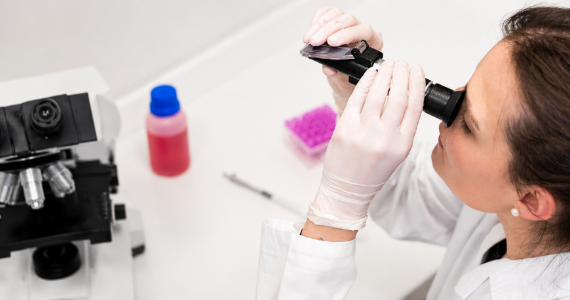
Whether you are testing grape juice in a winery, checking fruit ripeness in the field, or introducing students to refractometry in a school laboratory, a Brix refractometer offers a fast and reliable way to measure sugar concentration in a liquid sample. For beginners, the scale and terminology can seem unfamiliar […]
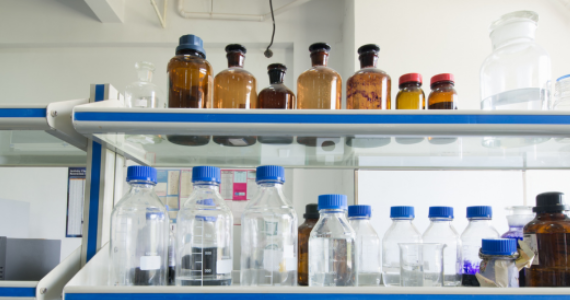
The best choice depends on the chemical being stored and how the bottle will be used. Screw cap Reagent Bottles are ideal for everyday laboratory storage because they are easy to use, cost-effective and provide a reliable seal for most chemicals. In contrast, ground glass stopper reagent bottles are better […]
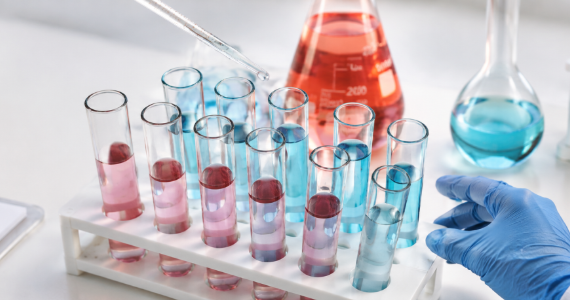
The main difference between rimmed and rimless test tubes is the design of the opening. Rimmed test tubes feature a rolled lip that improves chip resistance and securely holds rubber bungs or push-fit caps, making them ideal for general laboratory work and education. Rimless test tubes have a smooth, fire-polished […]
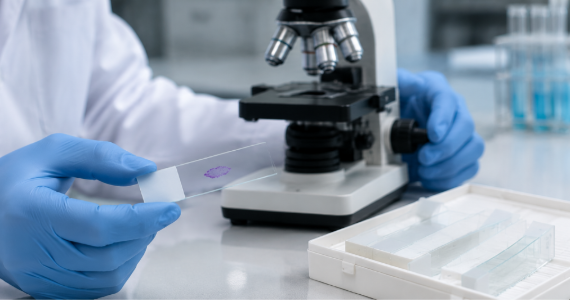
Choosing between frosted and plain microscope slides plays an important role in specimen identification, workflow efficiency and microscopy quality. Across Australian pathology laboratories, healthcare facilities, research institutions and school science departments, selecting the appropriate slide format helps reduce identification errors and support reliable diagnostic results. This depends on how specimens […]
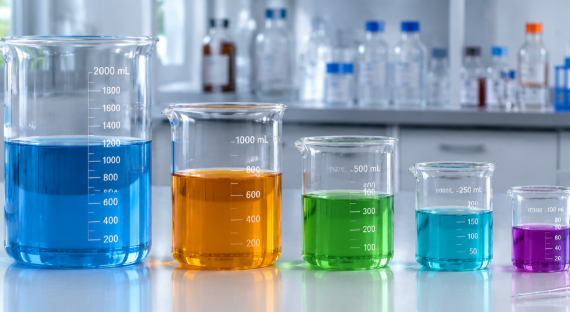
Selecting the correct beaker size affects measurement accuracy, safety and workflow efficiency in any laboratory. Whether you are dispensing reagents in a pathology lab, mixing solutions in a Quality Control facility, or teaching a school science class, matching beaker volume and form to the task, minimises spillage, reduces contamination risk […]
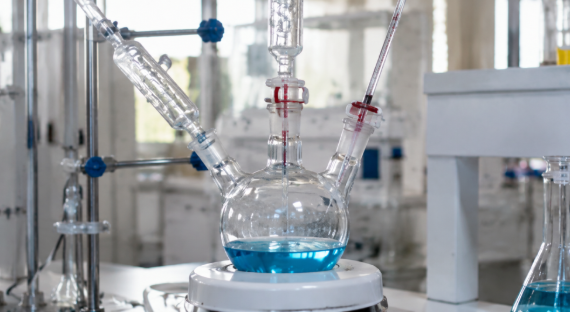
Choosing the right round bottom flask affects how safely and efficiently a reaction, distillation or reflux procedure runs. Laboratories across Australia, from teaching facilities to pharmaceutical and pathology settings, rely on borosilicate glass flasks daily, yet the number of necks a flask has is often overlooked until a setup fails […]
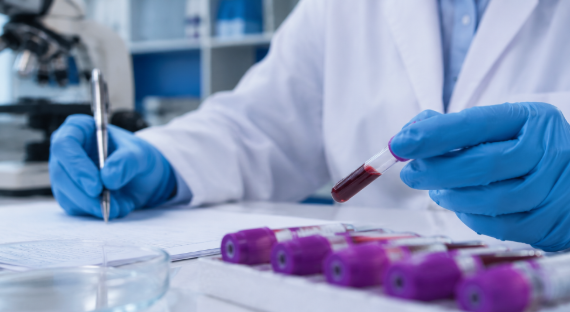
K2 EDTA and K3 EDTA tubes are both designed to preserve whole blood samples for haematology testing by preventing clotting. However, they differ in their chemical formulation, physical properties and recommended applications. Understanding these differences helps healthcare professionals and laboratories choose the most appropriate blood collection tube for accurate diagnostic […]