Good laboratory work starts with the right equipment. Whether you are running school science experiments, carrying out research or working with samples, the tools you use can affect how safely and accurately you complete each task.
A well-equipped laboratory does not always mean having the most expensive equipment. It means having the right tools for the work you need to do.
Livingstone International supplies a broad range of laboratory equipment and apparatus for different educational, scientific and workplace needs. From glassware and measuring equipment to microscopes and laboratory accessories, having suitable equipment can make everyday lab work more organised and reliable.
So, what equipment do you actually need in a laboratory? The answer depends on the type of work, but some items are useful across many settings.
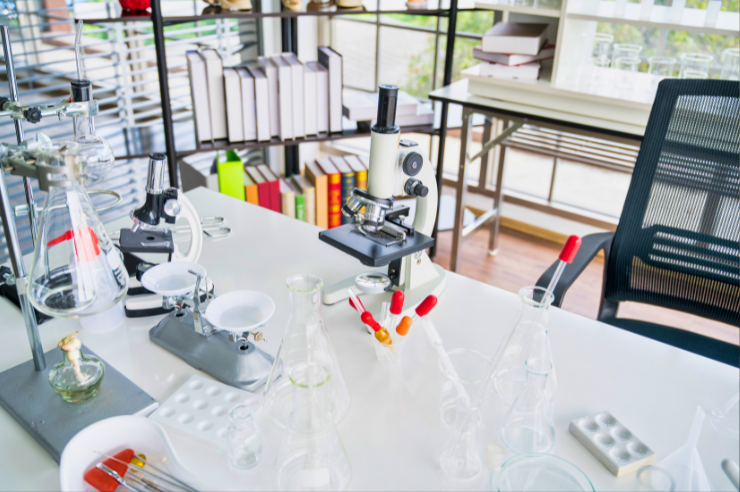
What Is Essential Laboratory Equipment?
The equipment you need will depend on the type of laboratory and the work being carried out. A school science lab, medical laboratory and research facility will not have the same requirements.
However, common laboratory equipment may include:
- Beakers and measuring cylinders
- Test tubes and racks
- Flasks
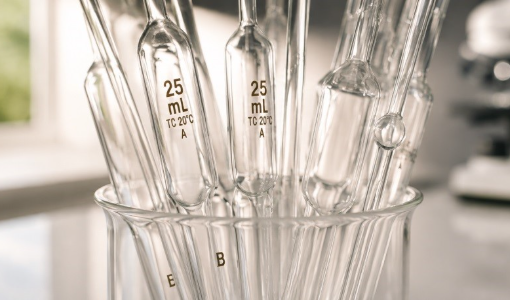
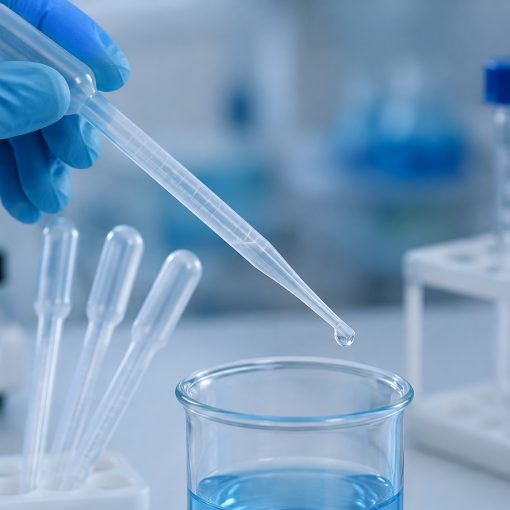
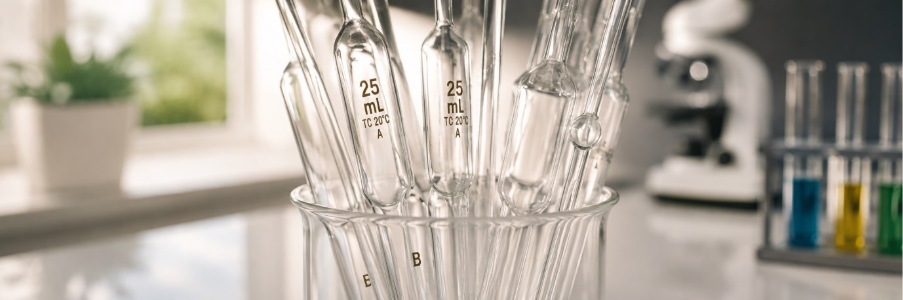
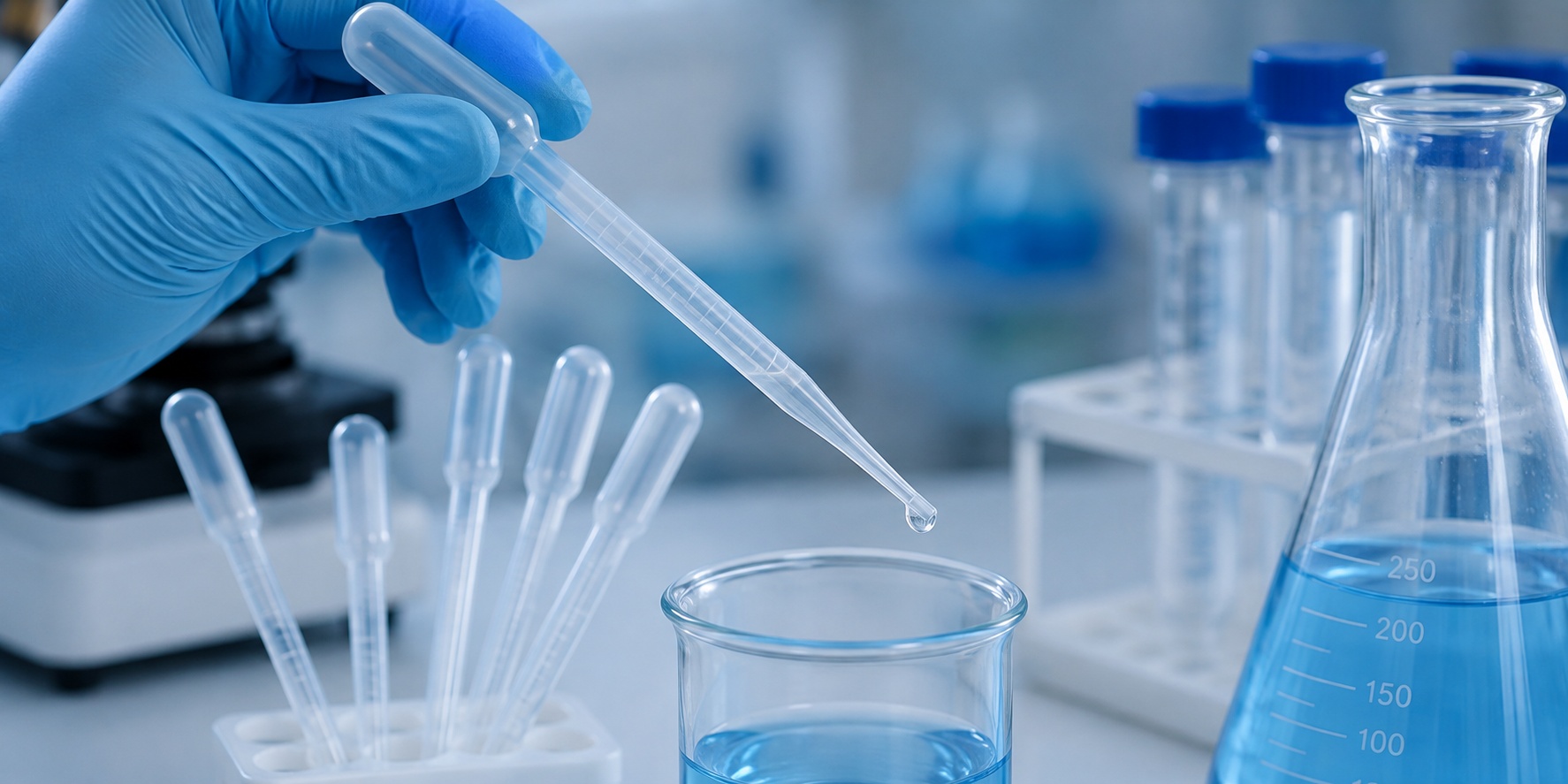
- Pipettes and droppers
- Microscopes and slides
- Thermometers
- Scales and balances
- Bunsen burners
- Safety equipment
- Laboratory gloves and other PPE
For schools, these items form part of the essential lab equipment for a school science lab. They allow students to measure, observe, mix and test materials during practical lessons.
Why Is Laboratory Glassware Important?
Glassware is used for many basic laboratory tasks. It helps you measure liquids, mix substances, hold samples and carry out experiments.
Beakers are useful for holding and mixing liquids. Measuring cylinders are designed for measuring liquid volumes. Test tubes are often used for smaller samples and simple reactions, while flasks can be used for mixing, heating or holding liquids.
Understanding the types of laboratory glassware and their uses can help you select the right item for each task.
You should also check glassware before use. Cracks, chips or other damage can create a safety risk, particularly when heat is involved.
Do You Need a Microscope?
If your work involves looking at cells, tissues or very small objects, a microscope can be an important piece of laboratory equipment.
A microscope allows you to view details that cannot be seen clearly with the naked eye. Schools often use microscopes during biology lessons, while laboratories may use them for more detailed examination.
Microscope slides are just as important. Samples need to be placed and prepared correctly so that they can be viewed clearly.
A basic microscope slide preparation guide can help beginners understand how to position a sample, add the required liquid and place a coverslip correctly.
What Are Anatomical Models Used For?
Not everything in a laboratory needs to involve a live experiment. Models can also make learning easier.
Anatomical models for biology teaching can help students understand parts of the human body, organs and other biological structures. A three-dimensional model can sometimes explain a structure more clearly than a flat picture in a textbook.
These models are particularly useful in classrooms where students need to identify and compare different parts of the body.
How Important Are Measuring Tools?
Accurate measurement is a basic part of laboratory work. Even a small mistake in measuring a liquid, mass or temperature can affect an experiment.
Depending on the task, you may need measuring cylinders, pipettes, balances or thermometers.
Before using a measuring tool, check its measurement range and units. Make sure you understand what the scale is showing. If the equipment needs calibration, follow the manufacturer’s instructions and your laboratory procedures.
Taking a little extra care at this stage can prevent avoidable mistakes later.
What Safety Equipment Should a Laboratory Have?
Safety should always be considered when choosing laboratory equipment. The exact requirements will depend on the work being carried out.
A simple lab safety equipment checklist may include:
- Safety glasses or goggles
- Laboratory gloves
- Lab coats or protective clothing
- First aid supplies
- Fire safety equipment
- Suitable waste containers
- Emergency washing facilities where required
You should also make sure everyone using the laboratory knows the safety procedures. Equipment is only useful when people know how to use it correctly.
For workplace health and safety information in Australia, you can refer to guidance from Safe Work Australia.
How Do You Use a Bunsen Burner Safely?
Bunsen burners are commonly used in school and teaching laboratories for heating materials. Because they produce a flame, they need to be handled carefully.
Before lighting one, check that the area is clear of loose paper, clothing and other items that could catch fire. Tie back long hair and follow your teacher’s or laboratory supervisor’s instructions.
If you are learning how to use a Bunsen burner safely, do not try to work it out on your own. Make sure you understand how to light, adjust and turn off the burner before starting an experiment.
Never leave a lit burner unattended.
How Do You Choose the Right Lab Gloves?
Gloves can provide an important layer of protection during laboratory work. However, not every glove is suitable for every task.
When choosing the right lab gloves, consider what you will be handling and what type of protection is required. Nitrile gloves are a common option for many general laboratory tasks, while other glove types may be needed for specific materials or conditions.
Fit also matters. Gloves that are too loose can affect your grip, while gloves that are too tight may become uncomfortable.
Always check the product information and follow your workplace or laboratory safety procedures.
What Should You Consider Before Buying Lab Equipment?
Before purchasing laboratory equipment, think about how it will actually be used. A few simple questions can help:
- What type of work will you carry out?
- Who will use the equipment?
- What measurements are required?
- How often will the equipment be used?
- Does it meet the required quality and safety standards?
- Is it easy to clean and maintain?
- Do you need replacement parts or accessories?
For schools, it is also worth considering whether the equipment is suitable for the students’ age and level of learning.
Choose Laboratory Equipment for Your Needs
The right laboratory equipment can make practical work safer, easier and more reliable. However, the best choice is not always the most advanced option. You need equipment that suits the task and can be used correctly.
From basic glassware and measuring tools to microscopes, models and safety equipment, each item has a role to play in a well-prepared laboratory.
Livingstone International offers a wide selection of laboratory equipment and apparatus for education, science and professional applications. You can explore its range to find practical laboratory products suited to your specific requirements.
FAQs
1. What equipment is essential in a school science lab?
Basic school laboratory equipment may include beakers, test tubes, measuring cylinders, microscopes, balances, thermometers, safety glasses and other items needed for practical science activities.
2. Why is laboratory glassware important?
Laboratory glassware helps you measure, mix, hold and heat materials during experiments. Different items are designed for different tasks, so choosing the correct glassware is important.
3. Why are microscopes used in laboratories?
Microscopes allow you to view very small objects, cells and structures that cannot be seen clearly with the naked eye. They are widely used for teaching and scientific observation.
4. What safety equipment should laboratories have?
Common safety equipment includes protective eyewear, gloves, lab coats, first aid supplies and suitable fire safety equipment. Requirements vary depending on the laboratory and its activities.
5. Are nitrile gloves suitable for laboratory work?
Nitrile gloves can be suitable for many general laboratory tasks. However, glove choice should always depend on the materials being handled and the level of protection required.
6. How should you choose laboratory equipment?
Consider the task, users, required measurements, safety needs, quality and maintenance requirements. Choose equipment that is suitable for its intended use rather than focusing only on price.