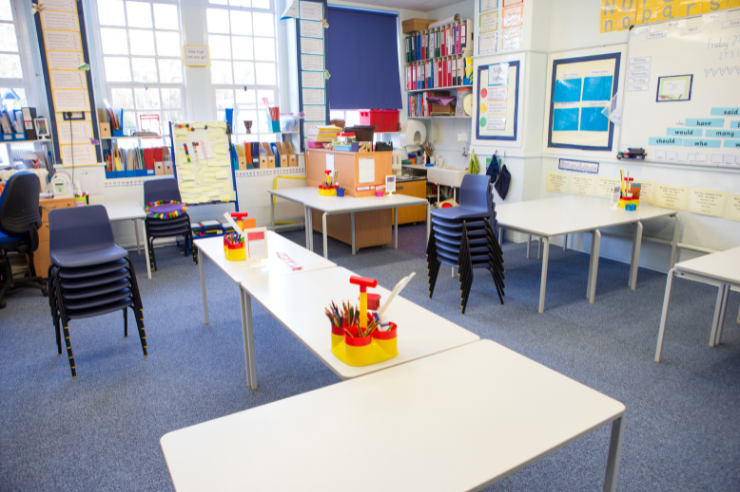
A well-equipped classroom needs more than desks and a whiteboard. Teachers need the right supplies to explain lessons, students need materials to take part in activities, and schools need products that support safety and organisation.
The right supplies can also make a teacher’s day easier. When everyday items are easy to find and ready to use, less time is spent looking for missing stationery or classroom materials.
Livingstone International offers a wide range of education supplies for schools, learning centres and other educational settings. From classroom stationery and arts and crafts products to first aid and safety supplies, having access to the right products can help schools prepare for everyday needs.
But what does a classroom really need? Let’s look at the key supplies worth including in your school’s purchasing list.
What Stationery Does Every Classroom Need?
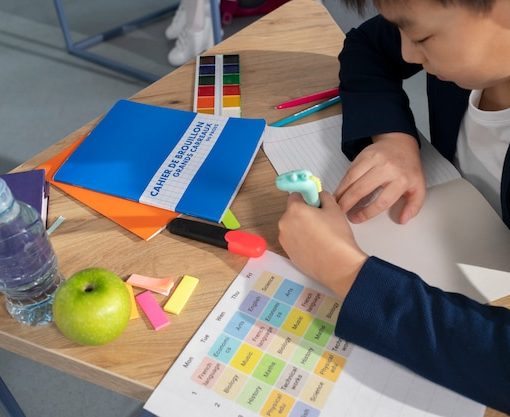
Stationery is one of the first things to consider when setting up or restocking a classroom. Teachers and students use these items every day, so running out of basic supplies can quickly become a problem.
A classroom stationery checklist for teachers may include:
- Pens and pencils
- Erasers and sharpeners
- Rulers
- Notebooks and exercise books
- Coloured pencils and markers
- Highlighters
- Glue sticks
- Scissors
- Staplers and staples
- Paper and card
- Folders and document storage
The exact list will depend on the age of the students and the subjects being taught. Younger students may need more drawing and craft materials, while older students may need more writing, filing and presentation supplies.
It is also useful to keep a small reserve of frequently used items. This can prevent minor shortages from interrupting lessons.
Which Arts and Crafts Supplies Should Schools Keep?
Creative activities are an important part of many classroom programmes. They allow students to work with different materials while developing practical and creative skills.
The essential arts and crafts supplies for classrooms can include coloured paper, drawing materials, paints, brushes, glue, scissors, craft sticks and other basic materials.
You do not need to buy every type of craft product available. Instead, consider the activities your teachers regularly plan. This can help you avoid buying materials that sit unused in storage.
It is also worth considering how supplies will be stored. Separate boxes or containers can make it easier for teachers to find what they need before a lesson begins.
What Teaching Aids Can Help in the Classroom?
Teaching aids can make lessons easier to follow, particularly when a teacher needs to explain a new idea visually.
Charts, posters, maps, number lines, educational cards and other visual materials can be useful across different subjects. Teaching aid charts for the classroom can support lessons by giving students something clear to look at while a topic is being explained.
The best teaching aids are simple and relevant to the lesson. You should choose materials that suit the students’ age and the subjects being taught.
Teachers can also combine printed teaching aids with their existing classroom tools rather than relying on one type of resource.
What Supplies Are Needed for Science Activities?
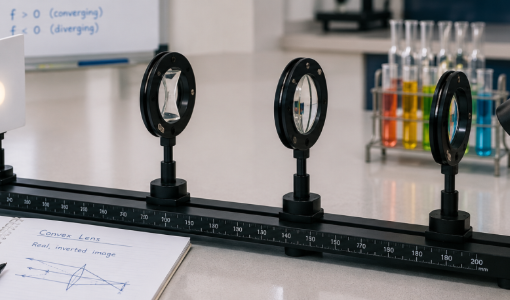
Science lessons may require different supplies from a standard classroom. Depending on the age group and activity, students may work with measuring tools, containers, models, experiment materials and basic laboratory equipment.
Safety should always come first. Students should understand how to handle materials and equipment before an activity begins. Teachers should also follow their school’s safety procedures and use suitable protective equipment where required.
For older students, science lab safety for students should be treated as part of the lesson rather than an afterthought. Clear instructions, suitable equipment and proper supervision can help reduce avoidable risks.
Schools can also refer to resources from the Australian Government Department of Education for guidance and information that supports safe, effective learning environments.
Why Should Schools Keep First Aid Supplies Ready?
Minor injuries can happen during lessons, sports, practical activities or breaks. For this reason, schools should have appropriate first aid supplies available and ensure staff know where they are kept.
A first aid kit requirements for schools can vary depending on the school, activities, location and applicable state or territory requirements. A school should follow the relevant local workplace and education guidance rather than relying on a general checklist.
Common first aid supplies may include dressings, bandages, gloves, wound cleaning products and other basic items. Schools should also check their first aid supplies regularly and replace products that have been used or have expired.
Keeping first aid supplies organised makes them easier to access when needed.
How Can You Keep Classroom Supplies Organised?
Good organisation can save teachers time. It also makes it easier to see which products need to be replaced.
Start by grouping similar items together. For example, keep writing supplies in one area, craft materials in another and paper products in a separate storage space.
Office and classroom organisation supplies such as folders, labels, storage containers and filing products can help teachers keep materials in order.
It is also helpful to label shared storage areas. This gives teachers and students a clear idea of where supplies belong and can make tidying up easier.
A simple stock list can help schools monitor frequently used items. Check the list regularly and order replacements before supplies run out.
What Should Be on a Back-to-School Supplies List?
Preparing supplies before the new school year can make the start of term much smoother. Instead of ordering products at the last minute, schools can review what they already have and identify what needs replacing.
A back to school supplies list Australia schools can use may include:
- General stationery
- Writing and drawing materials
- Paper and notebooks
- Classroom display materials
- Arts and crafts supplies
- Filing and storage products
- Teaching aids
- First aid supplies
- Science and practical activity materials
The list should be adjusted according to the school’s curriculum, student numbers and classroom needs.
Buying in sensible quantities can also make stock management easier. However, schools should avoid ordering large amounts of products simply because they are inexpensive if there is little regular use for them.
How Can Schools Choose the Right Supplies?
Price is important, but it should not be the only factor. Schools should consider quality, safety, suitability and how often a product will be used.
For example, a frequently used classroom item needs to be practical and durable. Products used for younger students should also be suitable for their age and intended activity.
Before ordering, ask a few simple questions. Will teachers use this regularly? Is it suitable for the students? Can it be stored easily? Does the school already have something that serves the same purpose?
These questions can help schools make better purchasing decisions and avoid unnecessary spending.
Building a Well-Equipped Classroom
A well-equipped classroom is not necessarily one with the most supplies. It is one where teachers and students have access to the materials they actually need.
From everyday stationery and creative materials to teaching aids, science supplies and first aid products, each item should have a clear purpose. Regular stock checks and simple storage systems can make these supplies easier to manage.
Livingstone International provides a broad range of education and classroom supplies to support schools, teachers and learning environments. By choosing practical products and planning purchases around real classroom needs, you can create a more organised and prepared learning environment.
FAQs
1. What are the essential supplies for a classroom?
Essential classroom supplies usually include stationery, paper, writing tools, folders, scissors, glue, teaching aids and basic craft materials. The exact needs depend on the age group and curriculum.
2. What should teachers include in a classroom stationery checklist?
Teachers can include pens, pencils, markers, paper, notebooks, rulers, scissors, glue, folders, staplers and other items they use regularly during lessons and classroom activities.
3. What arts and crafts supplies should schools buy?
Common options include coloured paper, pencils, markers, paints, brushes, glue and scissors. Schools should choose supplies based on planned activities and the students’ age.
4. Why are teaching aids useful in classrooms?
Teaching aids can make lessons easier to understand by giving students visual examples. Charts, posters, maps and educational cards can support explanations across different subjects.
5. Should schools check their first aid supplies regularly?
Yes. Schools should regularly check their first aid supplies, replace used or expired products and make sure staff know where the first aid equipment is stored.
6. How can schools organise classroom supplies?
Group similar products together, label storage areas and maintain a simple stock list. Regular checks can help teachers find supplies quickly and identify items that need replacing.