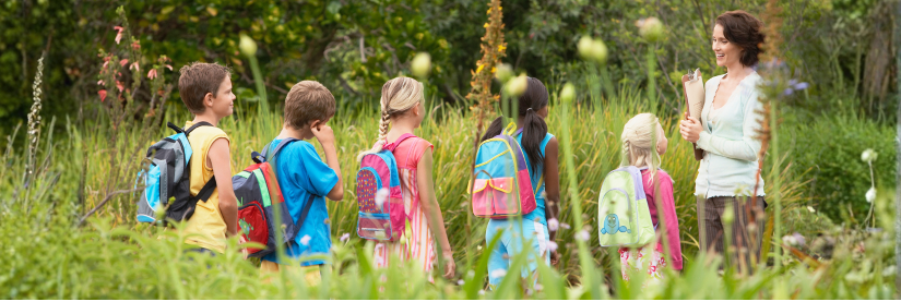
Spring brings longer days, warmer temperatures and a natural pull toward outdoor learning, making it one of the busiest seasons for school excursions. Yet spring in Australia is notoriously changeable, with UV levels climbing rapidly, sudden temperature swings and the occasional afternoon storm. For teachers organising field trips, a well-planned packing list is about more than convenience; it is a core part of student safety and duty of care. This guide outlines what every teacher should pack for a spring excursion, from first aid essentials to sun protection, so outdoor learning stays safe, enjoyable and well prepared for whatever the season brings.
Why Does Spring Weather Change the Safety Equation for School Excursions?
Spring is one of the more unpredictable seasons on the Australian calendar. Mornings can start cool and overcast, only for temperatures and UV exposure to rise sharply by midday. Spring also marks the start of Australia’s severe thunderstorm season, when sudden downpours, damaging winds and hail become more frequent, as outlined by the Bureau of Meteorology. For teachers planning excursions, this means packing for several possible conditions in a single day, rather than assuming the forecast will hold steady from departure to return.
What Should Every Teacher Pack in a Field Trip First Aid Kit?
A dedicated first aid kit is the foundation of any safe excursion, and it should be kept separate from the kit stored on school grounds. Many schools now equip staff with a portable outdoor first aid kit in a backpack, which keeps supplies organised, weatherproof and easy to carry across parks, reserves or bushland settings. Having a single, clearly labelled kit also makes it faster to locate specific items during an incident, rather than searching through a general classroom supply cupboard.
Core Contents for Excursion-Ready Kits
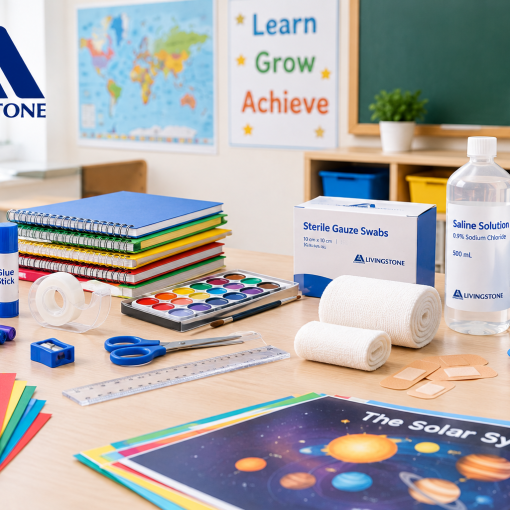
At minimum, an excursion kit should include adhesive dressings, saline solution, sterile gauze, disposable gloves, a resuscitation face shield, tweezers, scissors and an ice pack. St John Ambulance Australia recommends checking kit contents regularly and replacing expired items before each use, particularly dressings and saline, which have a limited shelf life. A basic first aid guide sized for quick reference is also worth including, especially for staff who are not first aid trained.
Don’t Forget Medication and Allergy Management
Spring excursions often coincide with pollen season, so any student with asthma or known allergies should have their action plan and medication packed separately and clearly labelled with their name. Teachers should confirm before departure which students carry an adrenaline autoinjector or reliever puffer, and where it will be stored during the excursion. A quick check of medical needs alongside the general student roll takes only a few minutes but can make a significant difference in an emergency.
How Can Teachers Manage Sun and UV Exposure During Spring Excursions?
UV radiation rises quickly through spring, often reaching damaging levels well before the weather feels hot. Cancer Council Australia advises that sun protection is recommended whenever the UV Index reaches 3 or above, a level Australia frequently exceeds from as early as August in many regions. Because UV cannot be felt or seen, checking the forecast UV Index before an excursion is a more reliable approach than judging conditions by temperature alone.
Packing a broad-spectrum SPF 50+ sunscreen for topping up throughout the day, along with hats and shade options where possible, helps schools apply the Cancer Council’s slip, slop, slap, seek and slide approach in practice. Teachers can browse a dedicated range of sun protection products to keep excursion kits stocked and ready each term.
What Other Spring Safety Essentials Should Be on the Packing List?
Beyond first aid and sun protection, a few additional items round out a well-prepared excursion kit:
- Refillable water bottles or a water dispenser, since spring warmth increases dehydration risk even on mild days
- A lightweight rain jacket or ponchos for the group, given how quickly spring weather can turn
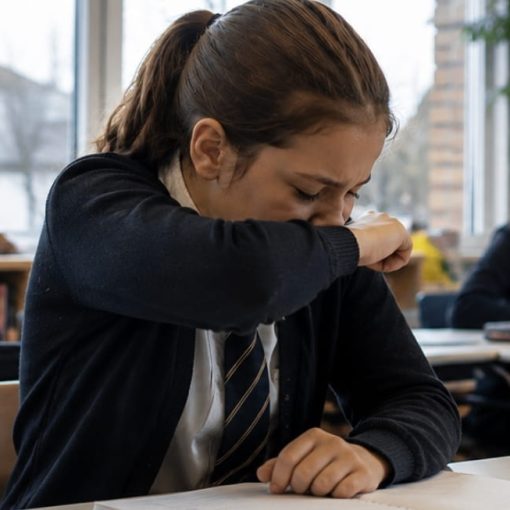
- Hand sanitiser or wipes, useful as cold and flu season can linger into early spring
- A fully charged mobile phone or two-way radio for communication with the school
- A printed student roll with emergency contact details and any medical notes
- A whistle or high-visibility item to help keep the group together in busy public settings
FAQ’s:
What is the most important item to pack for a spring school excursion?
A well-stocked, excursion-specific first aid kit is the single most important item, since it covers the widest range of possible incidents, from minor cuts to allergic reactions.
How often should the UV Index be checked during outdoor school activities?
The UV Index should be checked before departure and again during the day if the excursion runs for several hours, since UV levels can shift as cloud cover and time of day change.
Do teachers need a specific first aid kit for excursions, or can they use the classroom kit?
A dedicated excursion kit is recommended, as classroom kits are not designed to be portable, weatherproof or easily carried across outdoor sites.
What should be included in an asthma or allergy management plan for excursions?
The plan should include the student’s individual action plan, their prescribed medication, clear labelling and a nominated staff member responsible for carrying and administering it if needed.
References
- Bureau of Meteorology n.d., Severe weather and coastal hazard warning services, Bureau of Meteorology, Commonwealth of Australia, accessed 24 July 2026.
- Cancer Council Australia n.d., UV Index, Cancer Council Australia, accessed 24 July 2026.
- St John Ambulance Australia 2023, First aid kit, fact sheet, St John Ambulance Australia, accessed 24 July 2026.