Every Australian winter, schools become prime environments for the rapid spread of colds and influenza. Children spend hours in shared spaces, handling communal equipment and sitting in close proximity, creating conditions that allow respiratory viruses to move quickly through classrooms. The right preventive measures can make a significant difference. Here is what schools can do now to protect students, staff, and the broader community.
Why Do Colds and Flu Spread So Easily in Schools?
Respiratory viruses spread through droplets and contact with contaminated surfaces. In school settings, several factors accelerate transmission: high-density indoor environments, frequent hand-to-face contact, shared equipment, and inconsistent hygiene practices. Understanding these pathways is the first step towards effective prevention.
Key Strategies to Reduce Cold and Flu Transmission:
Prioritise Hand Hygiene
Hand hygiene is one of the most effective infection control measures available, according to the Australian Commission on Safety and Quality in Health Care (ACSQHC). Schools should place alcohol-based hand rub (ABHR) dispensers at classroom entrances, bathrooms, canteens, and high-traffic corridors. Students should be taught correct handwashing technique: at least 20 seconds with soap and water, covering all hand surfaces. For schools reviewing what consumables and equipment to have on hand, school cleaning and hygiene supplies and school first aid and medical supplies are useful reference points for understanding the categories of products commonly used in school health and hygiene programs.
Clean High-Touch Surfaces Regularly
Door handles, desks, keyboards, and shared equipment should be disinfected at regular intervals throughout the school day. During peak winter season, this frequency should increase. Providing classrooms with surface disinfectant and hand sanitiser allows teachers to quickly clean shared resources between uses. Schools should also stock influenza supply range to ensure readiness throughout the winter season.
Promote Respiratory Etiquette
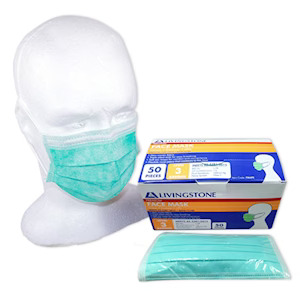
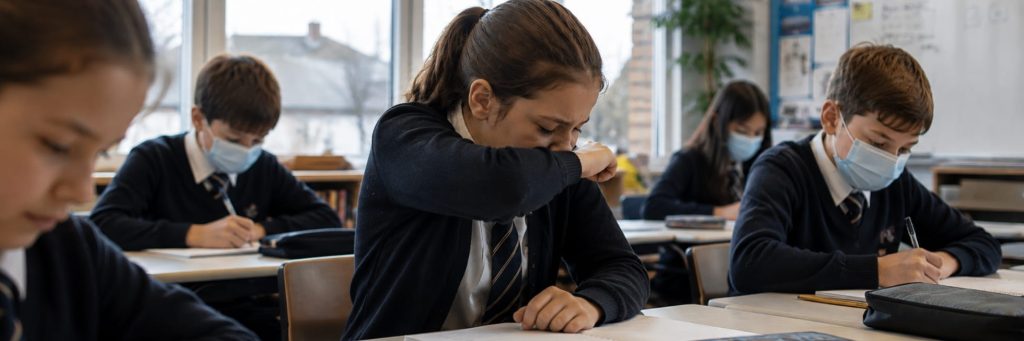
Teach students to cough or sneeze into their elbow rather than their hands. Facial tissues should be available in every classroom with a bin nearby for immediate disposal. Where infection risk is elevated, providing face masks and disposable gloves for staff managing unwell students adds an additional layer of protection. Student-friendly posters near sinks and classroom doors help reinforce these habits consistently.
Improve Ventilation
The Australian Department of Health recognises that ventilation plays an important role in reducing airborne transmission. Where possible, schools should open windows and doors to increase air circulation, particularly during and after indoor gatherings.
Support Sick Students and Staff to Stay Home
Clear illness policies are essential. Students presenting with fever or respiratory symptoms should not attend school until symptom-free for at least 24 hours. When school leadership models this behaviour, it reinforces a culture of shared responsibility.
What Should Schools Stock This Winter?
Schools have a duty of care to respond appropriately when students or staff fall ill on site. At a minimum, schools should maintain adequate stock of hand sanitiser, surface disinfectant, disposable gloves, facial tissues, and face masks. Stock levels should be reviewed at the start of each term.
Does the Flu Vaccine Help Reduce Spread in Schools?
Yes. Annual flu vaccination is the single most effective measure for reducing influenza severity and transmission. Under the National Immunisation Program (NIP), free vaccines are available for children aged six months to under five years. Vaccination is recommended from mid-April, ahead of the peak June to September flu season. Schools should encourage eligible students and staff to vaccinate each year and direct families to their GP or local pharmacy.
Building a Culture of Prevention
Reducing cold and flu transmission in schools is not solely a product or policy issue. It requires a sustained, whole-of-school commitment to hygiene as a shared value. When prevention behaviours are embedded into daily routines rather than treated as seasonal responses, the impact on student and staff health is far more consistent and measurable.
School leadership plays a central role. When principals, teachers, and support staff visibly model good hygiene habits such as washing hands before meals, staying home when unwell, and reinforcing respiratory etiquette, students are far more likely to adopt these behaviours themselves. Culture is shaped from the top down.
Parent and caregiver engagement is equally important. Regular communication through newsletters, school apps, or term reminders helps families understand illness exclusion expectations and the role vaccination plays in community protection. A well-informed parent community reduces the likelihood of symptomatic children being sent to school.
Including age-appropriate hygiene education in the health curriculum gives students the knowledge to understand why these habits matter, not just what to do. Children who understand the reasoning behind handwashing or staying home when sick are more likely to internalise those behaviours long term.
For clinical guidance on influenza symptoms and when to seek care, the Australian Government’s healthdirect is a reliable reference for school health policy development.
How long are colds and flu contagious in schools?
Influenza is typically contagious from one day before symptoms appear until five to seven days after illness begins. Children may remain contagious for longer, which is why excluding symptomatic students promptly is so important.
Is hand sanitiser effective against the flu virus?
Yes. Alcohol-based hand sanitisers with at least 60% ethanol are effective at inactivating influenza viruses on hands. They should complement, not replace, regular handwashing with soap and water.
What is the most effective way to prevent flu spread in a classroom?
A combination of hand hygiene, surface cleaning, respiratory etiquette, adequate ventilation, and clear exclusion policies offers the most comprehensive protection against flu transmission in classroom settings.
References
Australian Commission on Safety and Quality in Health Care (ACSQHC) 2023, Hand Hygiene Australia, Australian Government, viewed June 2025, https://www.safetyandquality.gov.au/our-work/infection-prevention-and-control/hand-hygiene
Australian Department of Health and Aged Care 2024, Influenza (flu), Australian Government, viewed June 2025, https://www.health.gov.au/diseases/influenza-flu
National Centre for Immunisation Research and Surveillance (NCIRS) 2025, Influenza vaccines: frequently asked questions, viewed June 2025, https://ncirs.org.au/influenza/influenza-vaccines-frequently-asked-questions-faqs