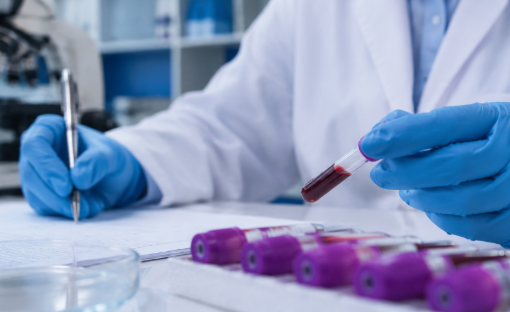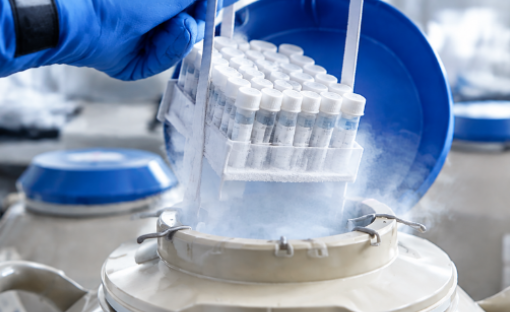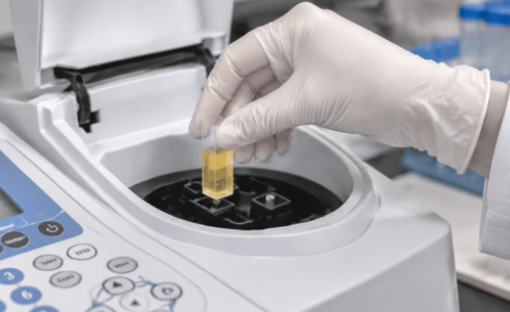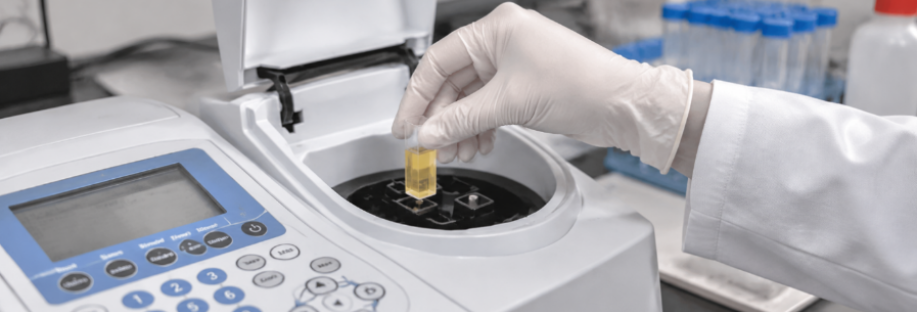
Laboratory chemicals in Australia are essential for diagnostic testing, pharmaceutical compounding, scientific research, education and quality control. Australian laboratories, including hospitals, pathology facilities, universities and industrial testing centres, rely on laboratory-grade chemicals and reagents to achieve accurate results, maintain safety standards and meet quality requirements.
The Livingstone Laboratory Chemicals range and Livingstone Non-Hazardous Laboratory Chemicals range support Australian healthcare, education and research environments by providing laboratory chemicals, reagents and non-hazardous chemical options for routine testing, education and scientific applications.
What Are Laboratory Chemicals and What Are They Used For?
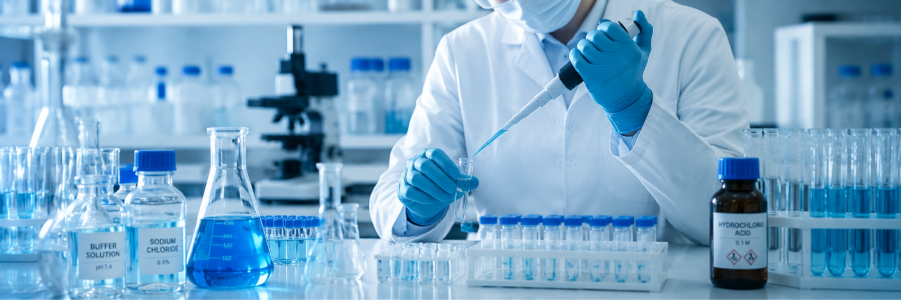
Laboratory chemicals are chemical substances used for scientific testing, analysis, research, education and industrial processes. They include reagents, solvents, stains, buffers and analytical chemicals selected according to required purity, application and quality standards.
In healthcare settings, laboratory chemicals support pathology, microbiology, haematology and clinical chemistry processes that help produce reliable diagnostic results. Pharmaceutical environments require appropriately graded chemicals for formulation and compounding activities. Universities and schools use laboratory chemicals to teach chemistry, biology and health sciences, while industrial laboratories rely on chemical reagents for testing, verification and quality control.
What Is the Difference Between Hazardous and Non-Hazardous Laboratory Chemicals?
Hazardous chemicals require additional safety controls, including appropriate personal protective equipment (PPE), specialised storage, clear labelling and safe handling procedures.
Non-hazardous laboratory chemicals generally have lower safety risks, but they still require correct storage, identification, handling and disposal practices. Non-hazardous does not mean risk-free, and laboratories should always follow supplier instructions and Safety Data Sheet (SDS) requirements.
However, non-hazardous does not mean risk-free. All laboratory chemicals require appropriate handling, suitable personal protective equipment (PPE), correct storage and compliant disposal procedures.
Non-hazardous laboratory chemicals are particularly suitable for:
- School science laboratories
- Universities and TAFE facilities
- General healthcare environments
- Clinics with limited chemical storage infrastructure
- Teaching and demonstration laboratories
The Livingstone Non-Hazardous Laboratory Chemicals range provides Australian laboratories with a selection of chemicals designed for lower-risk applications while supporting practical laboratory requirements.
What Are the Different Grades of Laboratory Chemicals?
Laboratory chemical grades describe the purity, quality and intended use of a chemical. Selecting the correct grade is important because impurities can affect analytical results, reactions and product quality.
| Chemical Grade | Typical Applications |
|---|---|
| Analytical Reagent (AR) | Pathology, research, analytical testing and NATA-accredited laboratories |
| Laboratory Reagent (LR) | Education, routine laboratory procedures and general testing |
| Technical Grade | Industrial applications and non-critical processes |
| Pharmaceutical Grade | Pharmaceutical compounding and patient-related preparations |
Analytical Reagent (AR) Grade
Analytical Reagent (AR) grade chemicals are high-purity reagents with controlled impurity limits. They are designed for applications where chemical accuracy and consistency are important. For precise measurements and reliable outcomes, AR grade is generally the preferred choice.
Laboratory Reagent (LR) Grade
Laboratory Reagent (LR) grade chemicals are suitable for routine laboratory procedures where the highest analytical purity is not required. LR grade provides a practical balance between reliability and cost for many educational and general laboratory applications.
Technical Grade
Technical grade is intended for industrial and general-purpose use where strict analytical purity requirements do not apply. It may be suitable for manufacturing processes, equipment maintenance and other non-critical uses. It is not recommended where precise analytical results, pharmaceutical standards or accredited testing requirements are required.
Pharmaceutical Grade
Pharmaceutical-grade chemicals are manufactured and controlled according to recognised pharmaceutical quality standards, which may include applicable pharmacopoeial requirements. Where chemicals are used in patient-related preparations, the appropriate pharmaceutical standards must be followed.
How Do You Choose the Right Laboratory Chemical Grade?
The correct laboratory chemical grade depends on the purpose of use, required accuracy and applicable quality requirements.
| Laboratory Setting | Recommended Grade |
|---|---|
| Pathology laboratory | AR |
| Research laboratory | AR |
| University teaching laboratory | LR |
| School science laboratory | LR or non-hazardous |
| Compounding pharmacy | Pharmaceutical |
| Industrial testing | AR or Technical, depending on requirements |
Before selecting chemicals, laboratories should consider:
- The analytical method being performed
- Accreditation requirements
- Safety Data Sheets (SDS)
- Certificates of Analysis (CoA), where applicable
- Storage requirements
- Internal quality procedures
Choosing the correct grade supports reliable results, improves laboratory safety and helps maintain compliance with Australian standards.
Why Does Chemical Sourcing Matter for Australian Laboratories?
Reliable chemical sourcing is essential for laboratory quality, safety and traceability. Australian laboratories should purchase chemicals from suppliers that provide clear product information, current Safety Data Sheets, batch details and supporting documentation.
Laboratories operating under recognised quality systems, including NATA-accredited facilities, require accurate chemical records to demonstrate traceability and maintain confidence in test results.
A compliant supplier helps laboratories manage procurement more effectively by supporting documentation requirements, reducing administrative burden and improving consistency across laboratory operations.
How Should Laboratory Chemicals Be Stored and Handled Safely in Australia?
Safe chemical handling and storage are essential requirements for every laboratory environment. All laboratory chemicals should be used according to the supplier’s Safety Data Sheet (SDS) and workplace procedures.
Key laboratory chemical safety practices include:
- Wearing appropriate personal protective equipment (PPE), including gloves, eye protection and laboratory coats where required.
- Keeping all chemical containers clearly labelled and identifiable.
- Storing chemicals according to compatibility requirements.
- Separating incompatible substances, such as acids, bases, oxidisers and flammable materials.
- Keeping chemicals in cool, dry conditions away from direct sunlight and heat sources.
- Maintaining accurate stock records and disposing of expired chemicals through approved waste procedures.
Non-hazardous laboratory chemicals generally have simpler storage requirements than hazardous substances. However, they still require appropriate handling, labelling and storage controls to maintain laboratory safety and quality standards.
Conclusion
Laboratory chemicals are not interchangeable products. The correct chemical grade, supplier documentation, storage practices and handling procedures directly influence laboratory accuracy, safety and compliance.
Australian laboratories should select chemicals based on their specific application, purity requirements and quality standards. From schools and universities to hospitals, pathology facilities and research laboratories, choosing suitable laboratory chemicals helps maintain reliable results and effective laboratory operations.
The Livingstone International Laboratory Chemicals range and Non-Hazardous Laboratory Chemicals range provide Australian laboratories with access to a broad chemical supply supported by essential product information and documentation.
References:
- Safe Work Australia, Preparing Safety Data Sheets.
- Worksafe Queensland, Laboratories.