
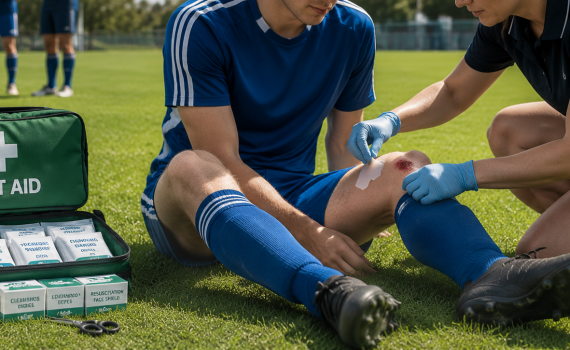
The empty space in a first aid case can be a useful sign that it is time to restock. A cold pack may have been used after training; dressings may be gone after weekend games, or gloves may have been opened during an event. The case itself can still be in good […]
First Aid
278 posts
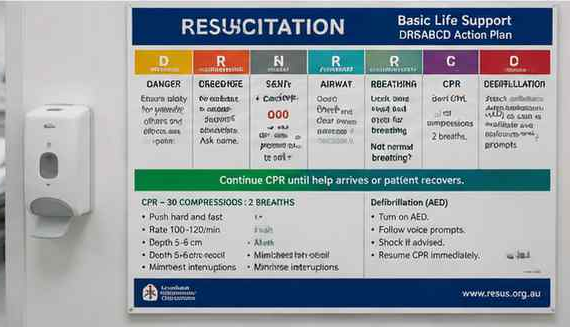
A cardiac arrest does not leave much time for someone to remember what came next in a training course they completed months ago. Even people who have learned CPR can benefit from having the recognised resuscitation sequence visible where an emergency may occur. Livingstone A2 laminated resuscitation chart provides a wall-based reference that can be […]
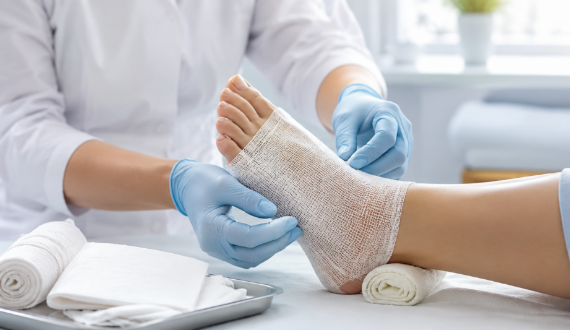
A paraffin gauze dressing is a sterile wound contact dressing made from open-weave gauze impregnated with soft paraffin. It is used when a wound needs a non-adherent interface beneath a secondary dressing, particularly where removing a dry dressing could disturb the wound’s surface. The dressing choice should still follow wound assessment, local protocols, and […]
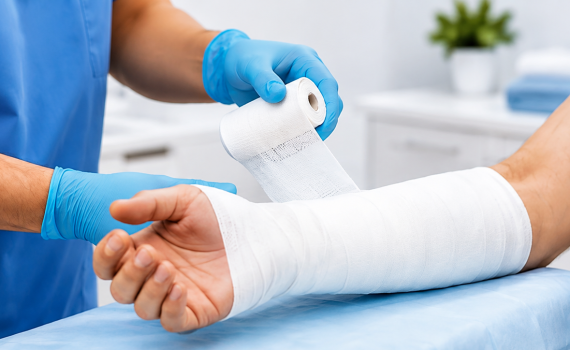
When a fracture or injury requires immobilisation, the quality of the cast material can influence the overall treatment process. A cast needs to provide reliable support while allowing clinicians to work efficiently and apply the correct technique for the patient’s condition. A plaster of Paris bandage remains a widely recognised casting material used […]
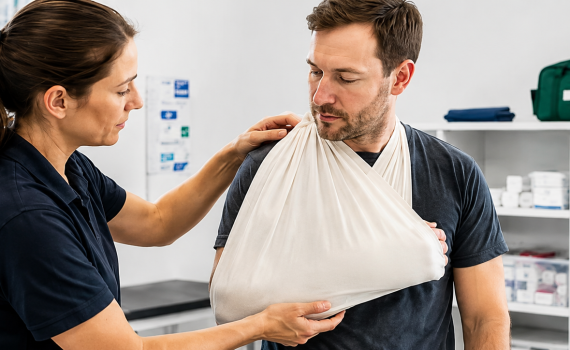
When an injury happens, the first response is often about providing simple support while deciding what happens next. A person may need an injured arm held still, a dressing secured or temporary protection while waiting for further care. In these situations, a versatile first aid item can make a significant difference. […]
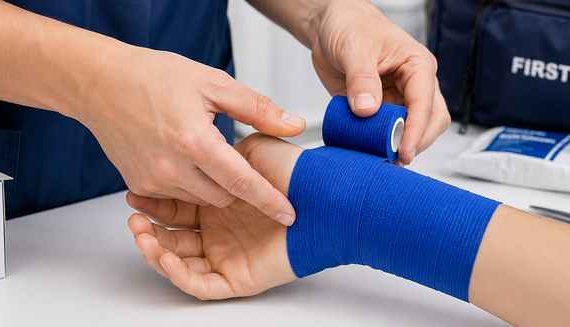
A bandage can stay firmly in place without glue sticking directly to the skin. That is the practical idea behind cohesive wrapping, a format used when a flexible layer needs to conform around a small joint, limb or dressing while gripping to itself. A cohesive bandage can be useful in first aid, […]
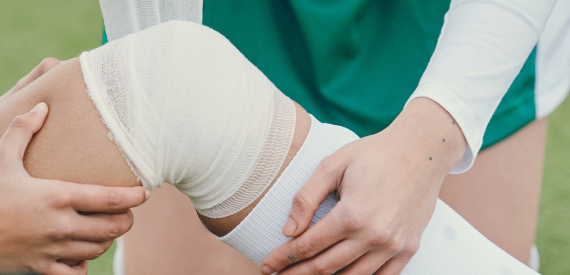
A bum bag might not be the first thing that comes to mind when thinking about emergency preparedness. Usually associated with travel, sport, or everyday convenience, its hands-free design can also solve a surprisingly practical first aid problem: keeping essential supplies close when you need to move quickly. In sporting environments, workplaces, […]
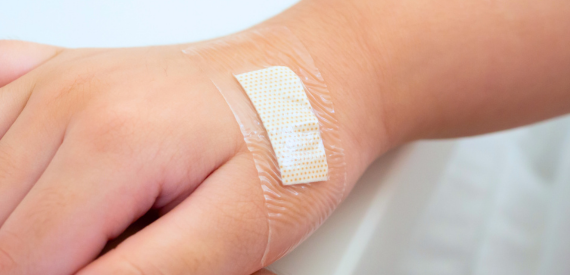
When wound care is discussed, most attention naturally goes to what touches the wound. The layer covering and securing that dressing can receive far less consideration, even though it plays an important role in keeping the wound-care system protected and manageable. Transparent film dressing offers a practical solution when visibility, moisture protection, and dressing […]
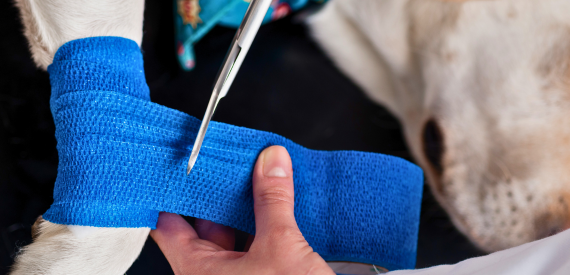
Proper bandaging helps protect the affected area, secure appropriate dressings, manage wound fluid, and reduce exposure to further contamination. In veterinary care, these functions become particularly important because patients may walk, run, scratch, lick or otherwise interfere with a dressing after it has been applied. A cohesive bandage provides a practical outer layer within a properly designed bandaging system. […]

Small consumables often play an important role in everyday clinical routines. In veterinary practices, wound-care procedures, skin preparation and minor treatments rely on absorbent products that are consistent, easy to handle and suitable for the task at hand. Choosing the right material can help teams maintain appropriate procedure standards while managing stock efficiently. Livingstone Nonwoven Balls are […]
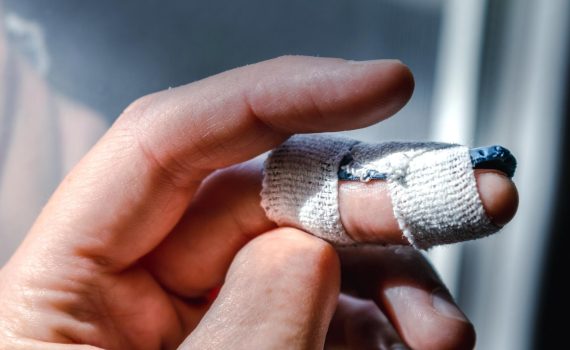
A small cut on your finger can quickly become frustrating. Your hands are always moving, whether you are typing, cooking, cleaning, working, or carrying everyday items. Because fingers bend so often, a standard dressing may lift, crease, or move out of place. This is where a joint finger dressing can […]
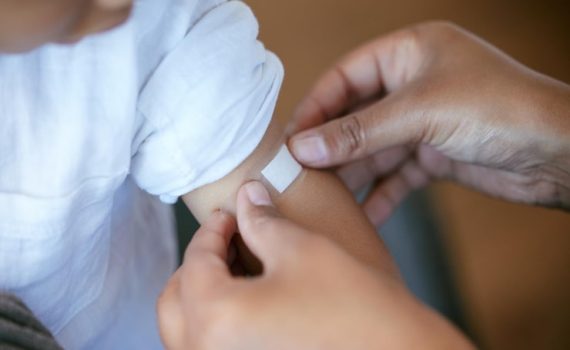
Changing a wound dressing should not feel harder than it needs to. Yet, when a wound pad sticks to the skin, even a simple dressing change can become uncomfortable. This is one reason the type of dressing you choose matters. A Non-woven Island Dressing is designed with a non-adherent pad […]
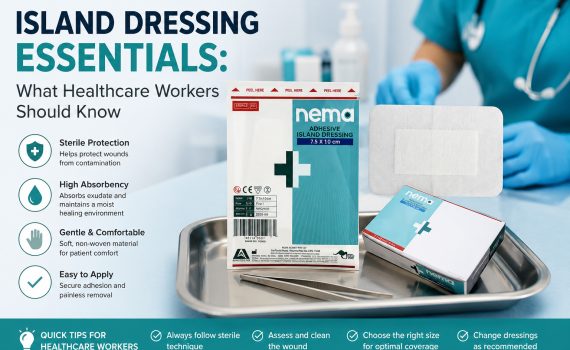
Wound care can look straightforward until you’re standing beside a patient trying to find a dressing that actually stays in place. The wound may be in an awkward spot, the patient may need to move, or the dressing may need to be changed without disturbing the wound. This is where […]
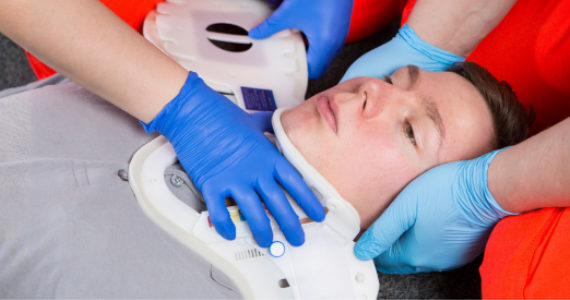
A serious road accident, a workplace fall, or a sporting collision can all lead to the same urgent concern: a suspected spinal injury. In these moments, the equipment and decisions of the first responder can influence the casualty’s outcome long before paramedics arrive. An extrication cervical collar is one of […]
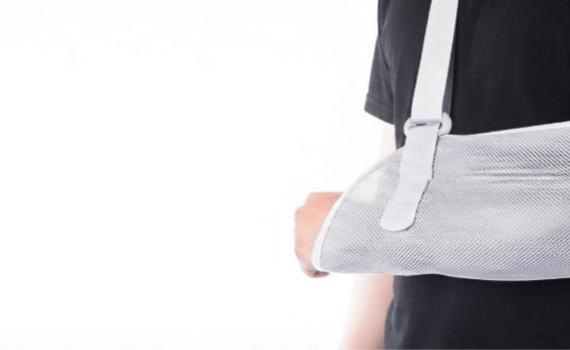
Recovering from a shoulder, arm or wrist injury relies on more than rest alone. The support device you wear directly affects how comfortably and effectively your injury heals. A sling that is too small pulls at the neck and may restrict circulation, while one too large won’t hold the limb […]
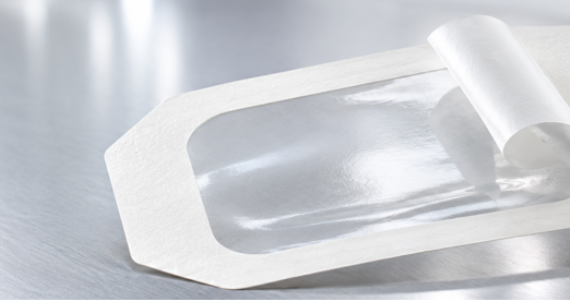
Why do most standard dressings fall short in everyday wound care? Most people don’t think about their wound dressing until it falls off in the shower, peels at the edges, or needs to be removed and reapplied every day. Standard fabric dressings absorb moisture, lose adhesion in warm or wet conditions, and block […]

Reaching a higher bed, examination table or shelf can create avoidable risk when people use unsuitable objects or overreach. A purpose-designed step can provide a stable access point when the user, task and environment have been assessed. Facilities can also explore Livingstone’s Safety Step Stools range. Why Is a Safety […]

Headaches, sinus pressure and tired-looking eyes can make it harder to slow down at the end of a busy day. A reusable eye mask offers a simple way to apply gentle warmth around the eye and sinus area while taking a quiet break. Its adjustable strap and reusable design also […]
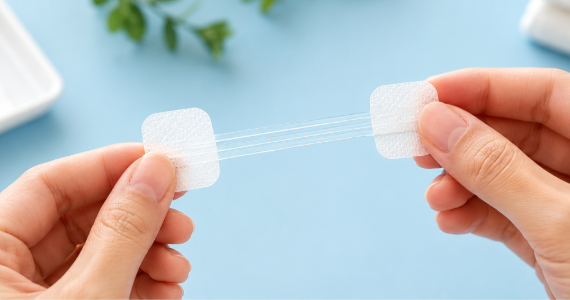
What makes butterfly wound closures different from a standard dressing? Not every cut needs stitches. And not every first aid kit has the right tool to close the ones that don’t. Butterfly wound closures fill the gap between a standard adhesive dressing and a clinical suture, offering a reliable, non-invasive method for closing […]
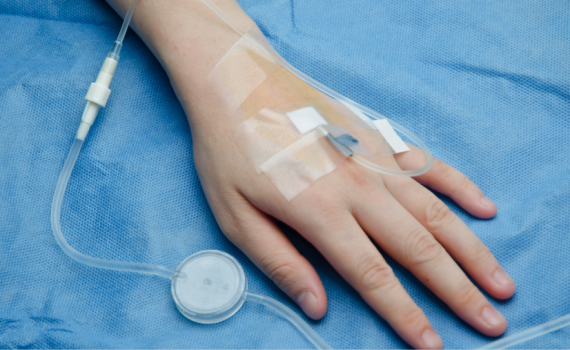
What Is Transparent Surgical Tape, and How Does It Differ from Other Medical Tapes? A Transparent Porous Surgical Tape is made from a thin, flexible polyethylene or polyester film backing coated with a pressure-sensitive, hypoallergenic adhesive. Unlike cloth, paper (micropore), or foam tapes, the clear plastic film offers unique advantages that make it the […]

What Does a Cardboard Splint Actually Do? A splint is a rigid or semi-rigid support applied to an injured limb to prevent movement, reduce pain, and protect against further damage before definitive medical care is available. In first aid settings, immobilisation is one of the most important early interventions for fractures, dislocations, […]
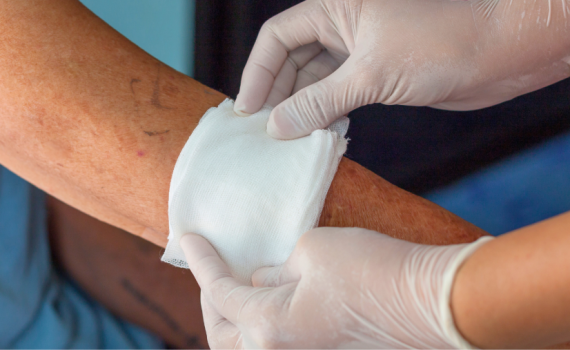
What Makes Calcium Alginate Dressing Stand Out in Modern Wound Care? Calcium alginate dressing is derived from brown seaweed or brown algae, found naturally in cold and temperate ocean waters. Its core component, alginic acid, combines calcium ions to form calcium alginate, a fibrous material that has been used in clinical wound management […]
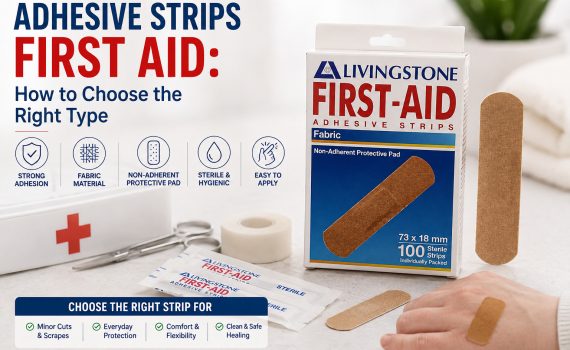
A small cut can happen when you least expect it. You’re chopping vegetables, opening a package or helping your child with a craft project, and suddenly there’s a little blood. It may not be serious, but you still need something clean and comfortable to cover it. That’s where adhesive strips […]
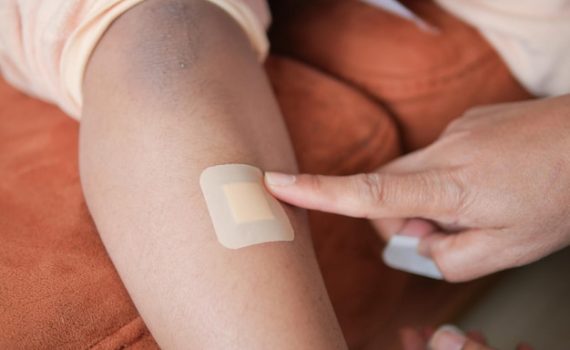
A dressing may look like a simple piece of medical material, but choosing the right one can make wound care much easier. The dressing needs to cover the wound well, stay in place and be comfortable when you need to change it. An Adhesive Island Dressing is made for this […]