Recovering from a shoulder, arm or wrist injury relies on more than rest alone. The support device you wear directly affects how comfortably and effectively your injury heals. A sling that is too small pulls at the neck and may restrict circulation, while one too large won’t hold the limb securely in the correct position. Getting the size right supports a smoother, more comfortable recovery from day one.
This guide covers how arm slings are sized, what to measure beforehand, and how to choose between small, medium and large depending on your injury and build.
Why Arm Sling Size Matters for Recovery?
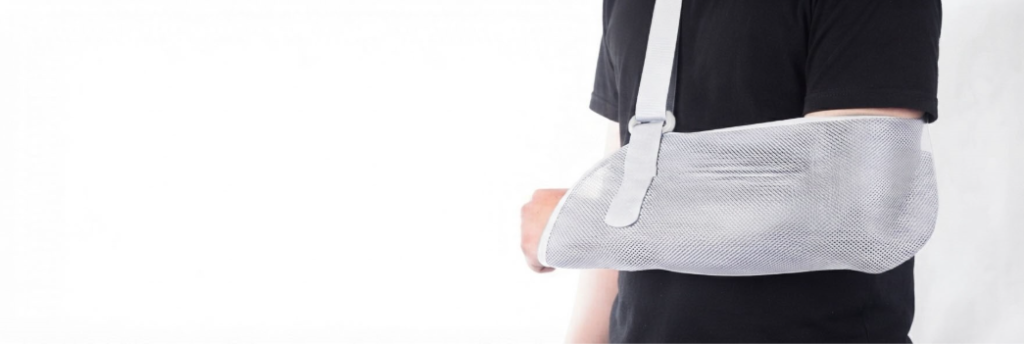
An arm sling immobilises the arm, reduces strain on the shoulder and elbow, and supports healing tissue. A correctly fitted sling keeps the forearm roughly parallel to the ground with the elbow near a right angle, distributes weight evenly across the shoulder strap, keeps the fingertips visible for circulation checks, and sits comfortably without digging into the neck or underarm.
Ill-fitting slings are a common cause of secondary discomfort. One sitting too high can restrict blood flow to the hand, while one hanging too low fails to support the elbow and shoulder properly. For clinics and hospitals, stocking a full-size range helps ensure every patient receives adequate support regardless of build.
For clinics fitting a range of patients, Livingstone’s rehabilitation and orthopaedics range includes arm slings, allowing practitioners to match forearm length and body frame precisely rather than relying on a single generic fit.
How Is Arm Sling Size Determined?
Sizing is generally based on forearm length, measured from elbow to wrist, along with the wearer’s overall build. Manufacturers use these measurements to categorise slings into small, medium and large, with some ranges offering paediatric or extra-large options.
What to Measure Before Buying a Sling?
With the arm relaxed and bent, take three measurements: forearm length from elbow to fingertips, chest or torso size for wider body panels, and neck-to-elbow distance to check the strap sits without excessive slack. Clinics often keep all three sizes on hand rather than estimating, particularly when treating children, petite adults and larger-framed individuals.
Small, Medium or Large: Which Size Do You Need?
A small sling suits petite adults, adolescents and shorter forearms, commonly for wrist, hand and lower forearm injuries needing a snug fit. Medium is the most widely used size, fitting the average adult build across wrist fractures, shoulder strains and post-surgical support. A large sling suits taller or larger-framed adults, or injuries needing broader coverage, such as upper arm or shoulder immobilisation. Sizing too small in these cases can leave the elbow poorly supported and add pressure to the neck strap.
What Happens If Your Sling Is the Wrong Size?
Wearing an incorrectly sized sling is not simply a comfort issue. Clinical guidance from Sydney’s Agency for Clinical Innovation notes that correct sling fit and posture help reduce pain and prevent complications such as joint stiffness or nerve irritation (Agency for Clinical Innovation, 2026). A poorly fitted sling can also mask early signs of reduced circulation, such as numbness, tingling or colour change in the fingers, which should always be reported to a doctor.
Healthdirect Australia notes that a sling is often used to hold the shoulder and arm in the correct position while an injury such as a clavicle fracture heals, underlining why fit affects clinical outcomes, not just comfort (Healthdirect Australia, 2025).
How to Check If Your Sling Fits Correctly?
Once you have selected a size, confirm the fit: the elbow sits fully inside the fabric pocket at around 90 degrees, with only the fingers extending beyond the edge and the hand slightly elevated above elbow height; the neck strap sits evenly across the shoulder without digging in; and there is no excessive bunching or slack around the wrist or elbow. If any of these feel off, try a different size rather than over-adjusting the strap, as this can distort the intended support angle and reduce the level of protection the sling is meant to provide.
Supporting Better Recovery Outcomes
Whether you are a patient choosing a sling for home use, or a practice manager stocking a clinic, ward or first aid kit, a full-size range means every patient can be properly fitted rather than making do with a generic option. Correct sizing supports comfort, reduces secondary strain, and helps the limb heal in the correct position throughout the recovery period.
For further guidance on arm and shoulder injuries, the Better Health Channel provides additional information on fracture care and immobilisation (Better Health Channel, 2024).
References
- Agency for Clinical Innovation 2026, Slings fact sheet, NSW Government, viewed 8 July 2026.
- Better Health Channel 2024, Bone fractures, State Government of Victoria, viewed 8 July 2026.
- Healthdirect Australia 2025, Clavicle fracture – broken collarbone, viewed 8 July 2026.