Small consumables often play an important role in everyday clinical routines. In veterinary practices, wound-care procedures, skin preparation and minor treatments rely on absorbent products that are consistent, easy to handle and suitable for the task at hand. Choosing the right material can help teams maintain appropriate procedure standards while managing stock efficiently.
Livingstone Nonwoven Balls are designed for clinical environments requiring sterile, latex-free absorbent supplies. The Livingstone Nonwoven Balls provide individually packed sterile balls suitable for selected wound care and preparation applications where controlled handling is required.

For veterinary clinics reviewing their wound-care supplies, Livingstone’s Veterinary Woundcare Management Collection brings together products designed to assist with cleaning, dressing and managing everyday clinical procedures.
Understanding the difference between absorbent materials, sterility requirements and pack formats helps veterinary teams select products that match their workflow and patient-care requirements.
What are nonwoven cotton balls and how are they used in veterinary care?
Nonwoven cotton balls are absorbent clinical products made from a manufactured fibre material rather than traditional cotton fibres. They are commonly used for selected cleaning, preparation and fluid-management tasks where a consistent, low-lint absorbent material is preferred.
Nonwoven balls provide a soft, absorbent format for tasks requiring controlled application or removal of fluids. Their manufactured fibre structure creates a consistent material compared with loose cotton wool products, making them suitable for selected healthcare and veterinary applications.
In veterinary settings, absorbent balls may be used during:
- Skin preparation before procedures
- Cleaning around treatment areas
- Applying approved solutions
- Absorbing small amounts of fluid
- General clinical preparation tasks
The correct product depends on the procedure being performed. While absorbent balls are useful for many tasks, they are not a replacement for specialised wound dressings where greater coverage, absorption or protection is required.
Livingstone Nonwoven Balls are supplied sterile and latex free, making them suitable for workplaces that require individually packaged absorbent supplies for controlled clinical use.
Why choose sterile latex free cotton balls for veterinary procedures?
Sterile latex free cotton balls are selected when procedures require a sterile absorbent product and latex avoidance is important. Sterility helps maintain controlled handling, while latex-free construction can be beneficial for workplaces managing latex sensitivity considerations.
Sterile absorbent products are an important consideration when performing procedures that require controlled handling. Livingstone Nonwoven Balls are supplied sterile and latex free, helping veterinary teams select an option aligned with their clinical requirements.
The sterile packaging format allows individual packs to be opened as needed, reducing unnecessary exposure of unused supplies. Each pack contains five balls, providing a practical quantity for procedures where only a limited amount is required.
Latex-free products are also increasingly considered by healthcare and veterinary facilities reviewing their consumable choices. Although latex sensitivity varies between individuals, selecting latex-free options can simplify product standardisation in many workplaces.
Sterility and material selection should always be considered alongside proper infection-control procedures, hand hygiene and appropriate personal protective equipment.
How do nonwoven balls support veterinary wound care routines?
Nonwoven balls form part of a broader wound care process by assisting with preparation, cleaning and fluid management. They do not treat wounds independently but can complement other wound-care products selected according to the animal’s condition and treatment requirements.
Veterinary wound care involves more than selecting an absorbent item. The appropriate products depend on the wound type, location, level of contamination and treatment plan.
A typical wound-care setup may include:
- Appropriate cleaning solutions
- Sterile absorbent products
- Wound dressings
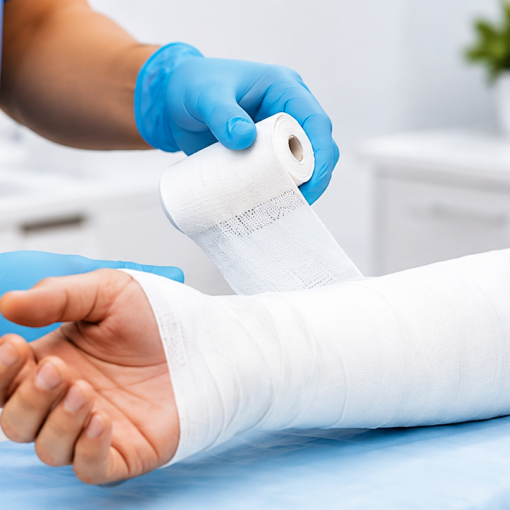
- Bandaging materials
- Protective equipment
- Waste-disposal supplies
Livingstone Nonwoven Balls are suited to situations where a sterile absorbent ball format is preferred. Their compact packaging makes them practical for treatment rooms where multiple procedures may occur throughout the day.
The choice between a nonwoven ball, gauze swab, dressing pad or another absorbent product should always reflect the specific clinical task. Different procedures require different levels of absorption, coverage and protection.
What mistakes should you avoid when selecting absorbent wound-care supplies?
Common mistakes include choosing products based only on appearance, confusing nonwoven materials with traditional cotton wool, overlooking sterility requirements and purchasing pack sizes that do not match actual usage. Selecting supplies based on clinical purpose helps avoid unnecessary waste and unsuitable applications.
A white absorbent product may look similar to another, but materials and specifications can differ significantly.
When selecting absorbent supplies, avoid:
- Assuming all cotton-style products are identical
- Using non-sterile products where sterile supplies are required
- Opening larger packs when smaller sterile packs are more suitable
- Choosing absorbency levels that do not match the procedure
- Ignoring latex requirements within the workplace
Product specifications matter because wound-care procedures rely on predictable materials. Reviewing details such as sterility, packaging format and material composition helps veterinary teams make informed purchasing decisions.
What should veterinary clinics consider before they bulk buy cotton balls online?
Before clinics bulk buy cotton balls online, they should consider material type, sterility, packaging format, storage requirements and expected usage. Buying in bulk can improve supply availability, but carton quantities should reflect actual procedure volumes and product requirements.
When planning to bulk buy cotton balls online, veterinary clinics should look beyond carton quantity alone. The right product should match the procedures performed, storage conditions and clinical requirements.
Key purchasing considerations include:
- Sterile versus non-sterile requirements
- Latex-free specifications
- Pack size and carton quantity
- Storage space
- Frequency of use
- Compatibility with existing wound-care supplies
Bulk purchasing works best when stock levels are based on actual consumption patterns. A well-planned supply system helps ensure essential consumables are available when required.
How do you choose the right nonwoven cotton balls for a veterinary clinic?
Choosing the right nonwoven balls depends on the intended procedure, sterility requirements, material preferences and packaging needs. Veterinary clinics should select products that align with their wound-care routines rather than choosing based only on price or quantity.
The best choice depends on understanding what the procedure requires. A small absorbent ball may be ideal for localised preparation or cleaning tasks, while larger dressings or swabs may be more appropriate for broader wound management.
For veterinary teams, selecting reliable consumables is part of maintaining consistent clinical routines. By considering material, sterility, packaging and intended use, clinics can build a wound-care supply system that meets everyday requirements.
References
Australian Commission on Safety and Quality in Health Care 2024, Australian Guidelines for the Prevention and Control of Infection in Healthcare, Australian Commission on Safety and Quality in Health Care, viewed 21 August 2026.
Australian Veterinary Association n.d., Veterinary practice and infection control resources, Australian Veterinary Association, viewed 21 August 2026.
Veterinary Nurses Council of Australia n.d., Veterinary nursing standards and professional resources, Veterinary Nurses Council of Australia, viewed 21 August 2026.