Why are round cotton cosmetic pads used for first aid, skincare, and hygiene?
Round cotton cosmetic pads are widely used because they provide a soft, absorbent, and hygienic way to apply, remove, and clean liquids, creams, and other topical products. Their gentle construction makes them suitable for tasks ranging from cleansing around wounds and dressing sites to supporting everyday skincare and personal hygiene routines. As part of the Livingstone Cotton Products Collection, round cotton cosmetic pads are designed to deliver reliable performance across healthcare, workplace, aged care, beauty, and home settings. In this guide, you’ll learn what round cotton cosmetic pads are, how they work, and the features that make them a practical choice for a wide range of everyday applications.
What Are Round Cotton Cosmetic Pads?
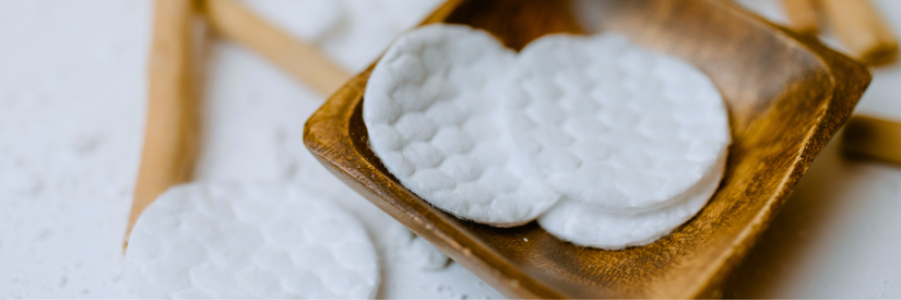
The Livingstone Cosmetic Pads are soft, round, highly absorbent cotton pads designed for both personal hygiene and first aid applications. The semi sealed edge is the feature that sets them apart from loose cotton wool or basic cotton balls. By bonding the outer edge of the pad, the semi sealed construction prevents cotton fibres from separating or shedding during use. Loose cotton fibres left on skin, around a wound, or on a treatment surface are a hygiene concern and a source of irritation that a sealed-edge pad eliminates entirely.
Available in bags of 80, they are practical for individual use, bulk buy beauty disposables procurement, first aid room restocking, and aged care or workplace hygiene programmes where consistent, reliable supply matters.
How to Use Cotton Cosmetic Pads: Step-by-Step for Each Application
The technique matters as much as the product. Here is how to use round cotton pads correctly across their most common applications.
How to Apply Antiseptic to a Minor Wound Using a Cotton Pad
- Wash your hands thoroughly or put on disposable gloves before handling the wound or the cotton pad.
- Remove one cotton pad from the bag and fold it once if you need a firmer surface, or use it flat for larger coverage.
- Pour or squeeze the antiseptic solution onto the pad, not directly onto the wound. This gives you control over the amount applied.
- Dab or wipe gently from the centre of the wound outward in a single direction. Never scrub or use a back-and-forth motion, as this can drag bacteria back into the wound.
- Use a fresh pad for each wipe. A pad that has already contacted the wound is contaminated and should be discarded immediately.
- Allow the area to air dry briefly before applying a dressing. Do not blow on the wound to speed drying.
How to Remove Makeup or Skincare Products with a Cotton Pad Saturate the pad with micellar water, toner, or your chosen makeup remover. The pad should be damp throughout, not soaking.
- Press the pad gently against the skin for two to three seconds before wiping. This loosens product rather than dragging it across the skin surface.
- Wipe in the direction of natural hair growth and skin texture. Avoid rubbing against the grain, particularly around the eyes and lips.
- Fold the pad to a clean surface as it becomes saturated with product. The round cotton pad format provides multiple usable surfaces before a fresh pad is needed.
- Follow with a final pass using a pad lightly dampened with water or toner to remove any remaining residue.
How to Use Cotton Pads for Skincare Application Pour a small amount of toner, essence, or liquid skincare product onto the pad. Start with less than you think you need; you can always add more.
- Use sweeping motions across the face moving from the centre outward, following the direction your pores open.
- For exfoliating toners or chemical exfoliants, avoid the eye area and any active breakouts or broken skin.
- Discard each pad after use. The semi sealed edge construction ensures that the pad holds its shape and does not shed fibres onto your skin during application.
How to Use Cotton Pads for Personal Hygiene Support in a Care Setting
- Prepare a basin with warm water or a gentle cleansing solution appropriate for the skin type of the person being cared for.
- Dip a single cotton pad into the solution and wring out lightly so it is moist but not dripping.
- Wipe gently in one direction across the area being cleaned. Use a fresh pad for each area and each wipe to maintain hygiene and prevent cross-contamination.
- Follow with a dry cotton pad to blot moisture from the skin. Leaving skin damp can contribute to skin breakdown, particularly in elderly or bedbound individuals.
- Dispose of all used pads immediately. Never reuse a cotton pad that has contacted another person’s skin.
Tips and Advice: Getting the Most Out of Your Cotton Cosmetic Pads
Small habits make a significant difference in how well a cotton pad performs and how safely it is used.
Always Use a Fresh Pad Per Task
This is the most consistently skipped step in both first aid and skincare routines. A pad used to apply antiseptic has absorbed bacteria and debris from the wound surface. A pad used to remove mascara has absorbed residue, oils, and dead skin cells. Reusing either for a second task transfers exactly what you were trying to remove. One task, one pad.
Never Use Cotton Pads Directly Inside an Open Wound
Cotton pads are appropriate for cleaning the skin around a wound and applying antiseptic to the wound surface. They are not designed for packing into or filling deep wounds. Cotton fibres, even from sealed-edge pads, can shed when in contact with moist wound tissue. Use sterile gauze for any wound packing or absorptive wound care tasks.
The Semi Sealed Edge Is an Active Feature, Not a Manufacturing Detail
The bonded edge on these round cotton pads prevents the pad from fraying, splitting, or shedding loose fibres when wet or under friction. When you are applying a liquid product, the sealed edge keeps the pad structurally intact, meaning the full surface remains usable and no stray fibres are left behind on skin or around a wound.
Dampen Before Wiping to Reduce Friction on Skin
A dry cotton pad dragged across skin creates friction that can irritate sensitive skin, pull at the delicate skin around the eyes, and disrupt healing tissue around a wound. Whether you are removing toner, cleaning around a dressing, or wiping a patient’s face, dampen the pad first.
Store in a Clean, Dry Location Away from Contamination Sources
Cotton is naturally absorbent, which is exactly what makes it useful, and exactly what makes storage important. Pads stored near open containers of antiseptic, aerosol products, or high-humidity areas can absorb ambient moisture, chemical residue, or airborne particles. Keep bags sealed between uses and store in a clean drawer or cabinet.
Buy in Bulk to Avoid Running Out at the Wrong Moment
Cotton cosmetic pads are a high-turnover consumable in any setting where they are used correctly. Running low mid-treatment or mid-skincare routine is unnecessary when the product is available in bags of 80. For workplaces, aged care facilities, beauty businesses, and health clinics, stocking bulk buy beauty disposables and first aid consumables through a single supplier reduces ordering friction. Explore the full range in the Livingstone Cotton Products Collection.
Common Mistakes to Avoid When Using Cotton Pads
- Scrubbing rather than dabbing or wiping: scrubbing pushes bacteria and debris back into the skin surface or wound rather than lifting it away
- Pouring product directly onto the skin or wound and then using the pad: you lose control of the amount applied and increase the risk of product entering the wound
- Using a single pad across an entire face or wound site: each area of skin or wound surface should receive a fresh pad surface to prevent spreading contamination
- Leaving used pads near clean supplies: dispose of used pads immediately in a closed bin and keep the clean bag separated from the treatment area
- Using loose cotton wool instead when sealed-edge pads are appropriate: loose cotton sheds fibres onto skin and wounds, creating an irritation and hygiene risk that sealed-edge pads are specifically designed to eliminate
A Simple Product Used Well Does More Than You Think
Round cotton cosmetic pads with semi sealed edges are not glamorous. They are not the centrepiece of any first aid kit or skincare routine. But they are the product you reach for more often than almost anything else, and when they are the right quality and used correctly, they make every task they support easier, cleaner, and more effective.
Whether you’re a first aider cleaning a wound on a worksite, a nurse supporting patient hygiene, or someone removing their skincare at the end of the day, the right cotton pad and the right technique are all you need to get it done properly.
References
First Aid Online UK 2024, Cotton: what are its uses in first aid?, First Aid Online, viewed June 2026.
First Aid Pro Australia 2025, Proper wound cleaning and dressing: top first aid tips, First Aid Pro, viewed June 2026.
Safe Work Australia 2024, First aid in the workplace, Safe Work Australia, viewed June 2026.
Aged Care Quality and Safety Commission 2024, Aged care quality standards: standard 1, consumer dignity and choice, Aged Care Quality and Safety Commission, viewed June 2026.