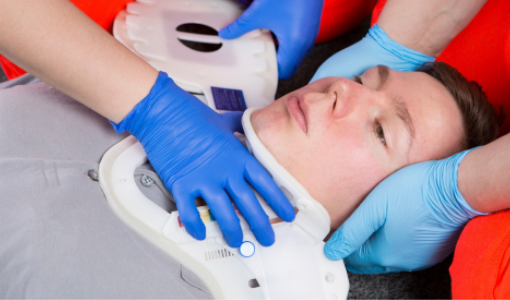
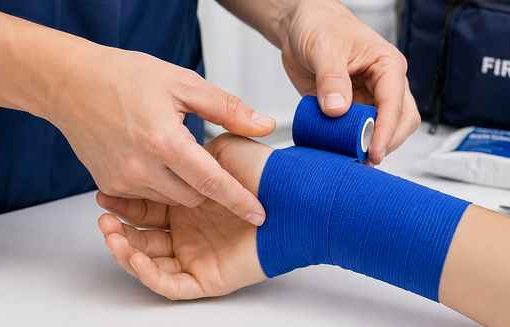
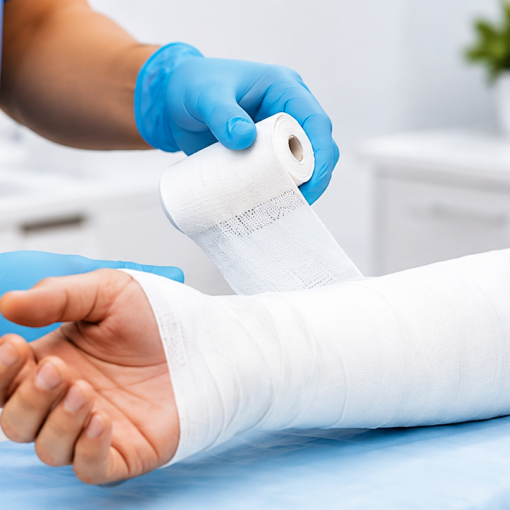
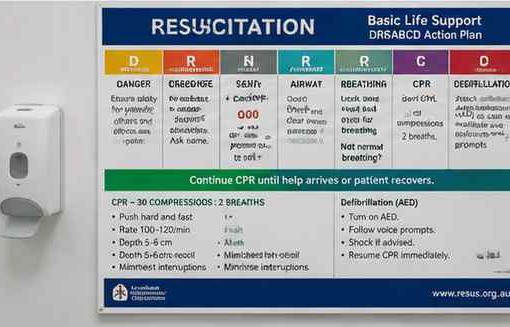
An injury can happen at work in seconds. A small cut, burn or fall may not seem serious at first, but having the right first aid supplies close by can make a big difference. The problem is that many businesses do not check their kits until something is needed.
A well-prepared first aid kit should match the risks of your workplace. It should also be easy to find, simple to access and checked regularly. Livingstone International offers workplace first aid kits designed to help businesses keep essential supplies ready when they are needed.
So, what should your kit contain? And how can you make sure nothing important is missing? Let’s look at the key things you should check.
What Is in a Class B First Aid Kit?
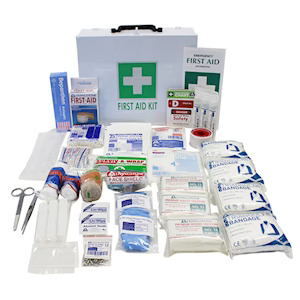
When asking what is in a Class B first aid kit, it is important to remember that the exact contents can vary depending on the kit and the needs of your workplace.
A suitable workplace kit may include items such as:
- Adhesive dressings for small cuts and grazes
- Sterile wound dressings
- Bandages
- Gauze swabs
- Disposable gloves
- Antiseptic products
- Eye pads
- Scissors
- Tweezers
- Safety pins
- CPR face shields
- Burn treatment products
- First aid instructions
Not every workplace needs exactly the same supplies. For example, a workshop may need more burn and wound care products, while a workplace using chemicals may need additional eye protection or washing equipment.
The safest approach is to look at the hazards in your workplace before deciding what to keep in your kit.
What Should You Look for in a First Aid Kit Checklist?
A first aid kit checklist can make regular checks much easier. Instead of opening the kit and looking around, you can work through each item one by one.
Start by checking whether the basic supplies are present. Then look at the condition of each item. Sterile products should remain sealed, while damaged or opened products should be replaced.
You should also check whether commonly used items have been used up. A kit can look full while still missing something important.
Keep a copy of the contents list with the kit. This makes it easier for the person responsible for checking the supplies to identify anything that needs replacing.
Does Your Workplace Have the Right First Aid Supplies?
The right kit depends on what happens in your workplace.
An office may mainly need supplies for minor cuts, headaches, sprains and similar incidents. A warehouse may face different risks, such as lifting injuries, falls or contact with equipment.
A first aid kit for small business should therefore be selected based on the type of work, number of workers and workplace risks.
For mobile workers, a portable kit may also be useful. Tradies, delivery workers and other workers who travel as part of their job may need access to first aid supplies while away from the main workplace.
This is where a first aid kit for tradies can be useful. A portable kit can be kept in a work vehicle or carried to different job locations.
What Are the Workplace First Aid Kit Requirements in Australia?
Under Australian workplace health and safety guidance, businesses need to provide access to at least one first aid kit, first aid facilities and trained first aiders. The kit should be easy for workers to access when needed.
However, the exact first aid needs of a workplace depend on factors such as its hazards, size and location. A risk assessment can help you decide what equipment and supplies are suitable.
For more information, you can refer to the Safe Work Australia first aid guidance.
It is also important to remember that state and territory WHS laws can apply differently. Businesses should check the requirements that apply to their location and industry.
Does a Construction Site Need a Different Kit?
Construction work can involve cuts, falls, burns, machinery and other hazards. Because of this, construction workplaces may need additional first aid supplies based on their risk assessment.
A first aid kit for construction site use should be easy to reach and suitable for the injuries that workers could face. If workers move between different areas or work away from the main site, additional portable kits may also be useful.
Safe Work Australia identifies construction as a high-risk workplace and notes that there should be one first aider for every 25 workers in a high-risk workplace such as a construction site.
How Often Should You Restock a First Aid Kit?
Knowing how often to restock a first aid kit is just as important as choosing the right kit.
Do not wait until the kit is nearly empty. Replace used items as soon as possible after they are needed. You should also carry out regular checks to make sure supplies are present, sealed and in good condition.
Pay particular attention to products with expiry dates. Some sterile dressings, creams and other first aid products may need to be replaced before they expire.
It is useful to assign one person responsibility for checking the kit. They can record checks and arrange replacements when necessary.
How Can You Check First Aid Kit Expiry Dates?
Checking first aid kit expiry dates should be part of your regular workplace safety routine.
Look at products individually rather than assuming everything in the kit has the same expiry date. Remove products that are expired, damaged or no longer suitable for use.
Keep the kit away from extreme heat, moisture and direct sunlight where possible. Poor storage conditions can affect some supplies even before their printed expiry date.
A regular check also gives you a chance to replace items that have been used and update the contents when workplace risks change.
How Can You Keep Your First Aid Kit Ready?
A first aid kit is only useful if people can find it quickly.
Keep it in a clearly marked and accessible location. Make sure workers know where it is and who the workplace first aiders are.
If your workplace covers several areas, one kit may not be enough. Safe Work Australia recommends considering additional kits where workplaces are spread out so workers can access first aid quickly.
Review your kit whenever there are changes to your workplace, equipment, work activities or risks. This helps ensure the supplies continue to match your needs.
Final Thoughts
A good first aid kit is more than a box of medical supplies. It should contain the items your workers may actually need, be easy to access and be checked regularly.
Start with your workplace risks, create a simple checklist and replace used or expired items promptly. For businesses looking for reliable workplace first aid solutions, Livingstone International offers arange of first aid kits and supplies to help you keep essential products ready when they matter most.
FAQs
1. How many first aid kits should a workplace have?
Every workplace should have access to at least one first aid kit. Larger or spread-out workplaces may need additional kits so workers can reach first aid supplies quickly.
2. Can one first aid kit cover an entire construction site?
It depends on the site size, layout and risks. Large or spread-out sites may need more than one kit so workers can access supplies without delay.
3. Who should be responsible for checking a first aid kit?
A nominated worker, often a trained first aider, can be responsible for regular checks. They should make sure supplies are available, usable and replaced when needed.
4. Should first aid kits contain medicines?
The contents depend on workplace needs and the type of kit. Focus on suitable first aid supplies and follow your workplace procedures when deciding what to include.
5. What should you do with expired first aid supplies?
Remove expired products from the kit and replace them with suitable items. Do not rely on supplies that are damaged, opened or past their recommended use date.
6. Does every workplace need a trained first aider?
Workplaces need access to trained first aiders, but the number required depends on factors such as workplace size, hazards and risk level. Check the rules for your location.