A hospital gown may look simple, but the right one can play an important role in infection control. During patient care, healthcare workers can come into contact with fluids, droplets, contaminated surfaces and other sources of infection. The gown helps protect clothing and skin from this type of exposure.
But not every gown is suitable for every situation. So, what should you look for when choosing a hospital gown? The material, coverage, fit, fluid resistance and intended use all matter. At Livingstone International, we provide healthcare PPE designed to support hospitals, clinics, aged care facilities and other healthcare environments.
Why Are Hospital Gowns Used in Healthcare?
Hospital gowns are used as a protective layer between healthcare workers and potential sources of contamination. They can help prevent clothing from becoming contaminated during patient care.
A gown can be particularly useful when there is a chance of contact with:
- Blood or other body fluids
- Respiratory droplets
- Contaminated surfaces
- Wet materials
- Patients who require additional infection precautions
- Procedures that may cause splashes
However, a gown should not be viewed as a replacement for other infection control measures. Hand hygiene, cleaning, safe waste disposal and the correct use of other PPE are also important.
The Australian Government’s infection control guidance explains that PPE should be selected according to the level of risk and the type of care being provided.
What Makes a Hospital Gown Suitable for Infection Control?
Several features can affect whether a hospital gown is suitable for a particular task.
1. The Right Level of Protection
The first thing to consider is the level of protection required. Not every patient interaction carries the same risk.
For routine care, a basic protective gown may be suitable. Situations involving a greater risk of fluid exposure may require a gown with a higher level of fluid resistance.
Australian Government guidance notes that gowns have different levels of fluid resistance and that the level should be checked to make sure it is suitable for the intended use.
This is why you should always check the product information before choosing a gown for a specific procedure.
2. Good Coverage
A suitable gown should provide enough coverage for the task.
A well-designed gown should cover the areas of clothing and skin that could be exposed during patient care. Long sleeves are also important where there is a risk of contact with fluids or contaminated materials.
The Australian Government has described suitable gown features for certain healthcare situations as including enough length and coverage, sleeves that reach the wrists and back coverage that prevents underlying clothing from being exposed.
The exact gown you need will still depend on your facility’s risk assessment and procedures.
3. Comfortable Fit
Protection is important, but comfort should not be ignored.
Healthcare workers may need to wear a gown for extended periods or move between different tasks while wearing one. A gown that is too tight can restrict movement, while one that is too loose can become difficult to manage.
Look for a gown that allows you to move your arms comfortably without leaving large areas uncovered.
The gown should also be easy to put on and secure properly before you begin patient care.
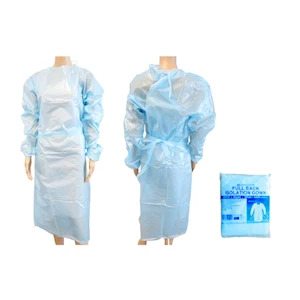
What Is an Isolation Gown?
An isolation gown is designed for situations where additional protection from contamination is needed.
It is generally used as part of transmission-based precautions or other infection control measures. Depending on the situation, it may be worn with gloves, a mask or respirator and eye protection.
The exact PPE combination depends on the risk involved. For example, a situation involving possible splashing may require more protection than routine patient contact.
It is important not to assume that every isolation gown offers the same level of protection. Always check the manufacturer’s information and your workplace procedures before use.
Should You Choose Disposable Protective Clothing?
In many healthcare settings, disposable protective clothing can make PPE management easier.
Disposable gowns are designed for single use and can be disposed of after use according to the facility’s waste procedures. This can be useful when contamination is likely or when the gown is intended for a specific patient interaction.
Disposable gowns can also help reduce the need for laundering and processing reusable garments.
However, the decision between disposable and reusable products should be based on your facility’s needs, infection control procedures, waste requirements and the type of exposure expected.
The important point is to select protective clothing that is appropriate for the task rather than choosing a product based only on whether it is disposable.
How Does Material Affect a Hospital Gown?
The material used in a gown affects how it feels and how it performs.
Non-woven materials are commonly used for disposable healthcare gowns. Some gowns may also include materials designed to provide additional resistance to fluids.
When selecting a gown, consider:
- The type of material
- Weight and comfort
- Fluid resistance
- Sleeve design
- Overall coverage
- Closure method
- Intended use
- Whether it is disposable or reusable
A lightweight gown can be useful when comfort and movement are important. Where there is a higher risk of fluid exposure, you may need a gown with suitable fluid-resistant properties.
How Should You Choose a Gown for Different Tasks?
The right choice starts with the task.
Ask a few simple questions before selecting your gown:
What type of contact will take place?
Routine patient care may have different requirements from a procedure involving body fluids.
Is there a risk of splashing?
If fluids may reach clothing or skin, additional protection may be needed.
How much coverage is required?
Consider the parts of your body that could be exposed during the task.
Will the gown need to be changed after use?
If contamination is expected, a disposable gown may be practical.
What does your facility’s infection control procedure require?
Your workplace guidelines should always be considered alongside the product’s specifications.
This simple approach can help you avoid choosing PPE based only on appearance or price.
Why Is Correct Gown Use Important?
Choosing the right gown is only one part of infection control. It also needs to be put on and removed correctly.
Improper removal can cause contamination if the outside of the gown comes into contact with your clothing, skin or hands.
The Australian Government’s PPE guidance recommends appropriate training for healthcare workers and explains the importance of correct donning and doffing procedures.
Before putting on a gown, perform hand hygiene as required by your workplace procedure. Check that the gown is not damaged and make sure it is secured correctly.
When removing it, avoid touching contaminated areas unnecessarily. Follow your facility’s approved procedure and perform hand hygiene at the appropriate points.
Common Mistakes to Avoid When Choosing Hospital Gowns
Even a good gown may not provide the expected protection if the wrong product is selected or used incorrectly.
Some common mistakes include:
- Choosing a gown without checking its intended use
- Ignoring the required level of fluid resistance
- Selecting a size that restricts movement
- Leaving parts of clothing exposed
- Using a damaged gown
- Reusing a disposable gown
- Removing PPE without following the correct procedure
- Failing to train staff in PPE use
It is also important to keep enough gowns available. Running short during an outbreak or busy period can make infection control more difficult.
What Should You Look for When Buying Hospital Gowns?
If you are purchasing gowns for a healthcare facility, look beyond the basic product description.
Check the gown’s material, coverage, size options, intended use and protection level. If you are buying in bulk, also consider how many gowns your facility normally uses and how quickly stock may be used during periods of increased demand.
Your purchasing team should also make sure the product information is clear and that staff understand which gown should be used for different tasks.
This helps make PPE selection more consistent across your facility.
Conclusion
A suitable hospital gown should provide the right level of coverage and protection for the task while allowing healthcare workers to move comfortably. Material, fit, fluid resistance and intended use all need to be considered.
For healthcare facilities, choosing the right PPE is an important part of maintaining good infection control practices. Livingstone International offers a range of healthcare PPE and protective clothing options to support hospitals, clinics, aged care facilities and other healthcare workplaces.
When choosing your next gown, consider the task first, check the product specifications and make sure your team knows how to use and remove it correctly.
FAQs
1. What is the main purpose of a hospital gown?
A hospital gown provides a protective layer over clothing and skin during patient care. It can help reduce exposure to body fluids, droplets and contaminated materials.
2. Are all hospital gowns suitable for infection control?
No. Hospital gowns have different designs, materials and levels of protection. You should choose one based on the task, exposure risk and your facility’s procedures.
3. When should you use an isolation gown?
An isolation gown may be used when additional protection from contamination is required. The exact PPE needed depends on the patient’s condition and the assessed infection risk.
4. Are disposable gowns better than reusable gowns?
Neither option is automatically better. Your choice should consider the type of exposure, infection control procedures, laundering requirements, waste management and your facility’s operational needs.
5. What should you check before buying hospital gowns?
Check the material, size, coverage, fluid resistance, intended use, closure and whether the gown is disposable or reusable. Always match the product to the tasks involved.
6. How should a hospital gown be removed?
Follow your facility’s approved doffing procedure. Avoid touching potentially contaminated areas, dispose of disposable gowns correctly and perform hand hygiene as required.