When a wound needs attention, having the right supplies close by can make the process easier and more organised. From basic cuts and grazes to wounds that need ongoing care, the products you use can affect how well the wound is protected and managed.
A good wound care supplies list does not need to be complicated. It should cover the basic products needed for cleaning, dressing and protecting a wound. The exact supplies will depend on the type of wound and the level of care required.
For healthcare facilities, clinics and other professional settings, Livingstone International provides a wide range of medical products to help keep essential supplies available. Before placing an order, it is useful to know which products your wound care routine actually requires.
What Are the Basic Wound Care Supplies?
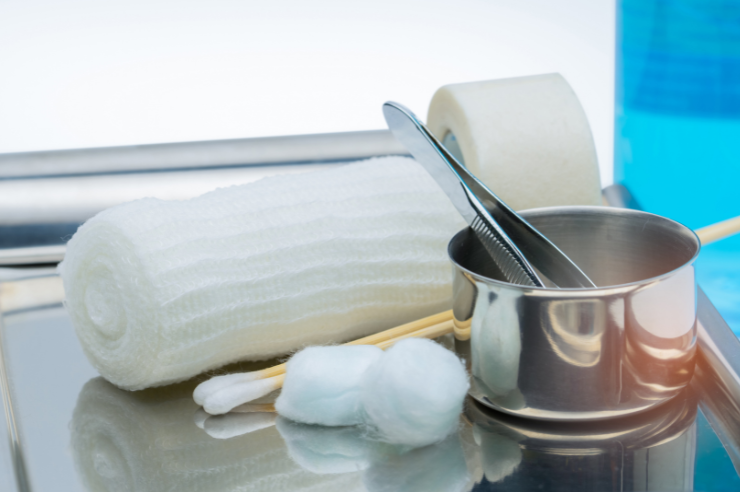
The first step is to identify the products that are used most often. Basic wound care supplies may include:
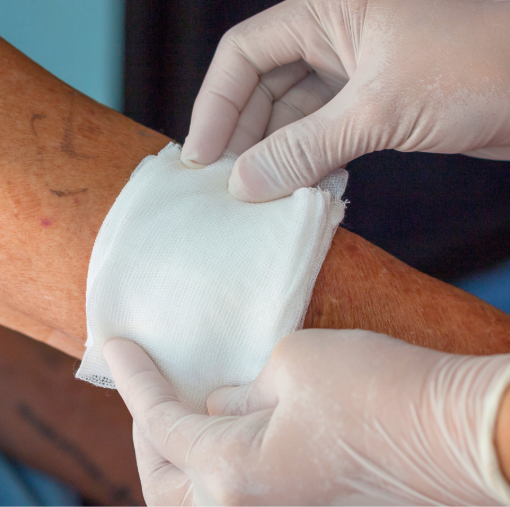
- Sterile gauze swabs
- Wound dressings
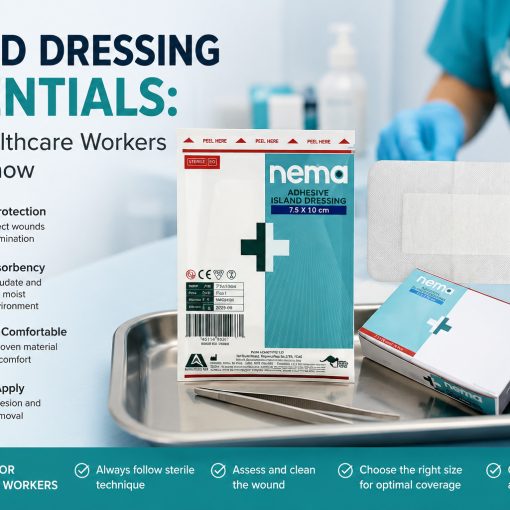
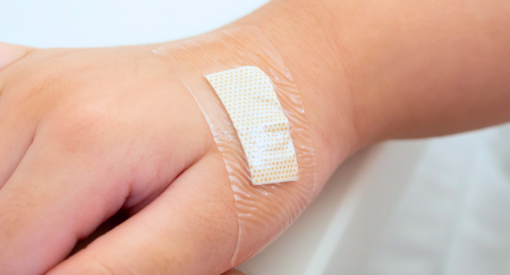
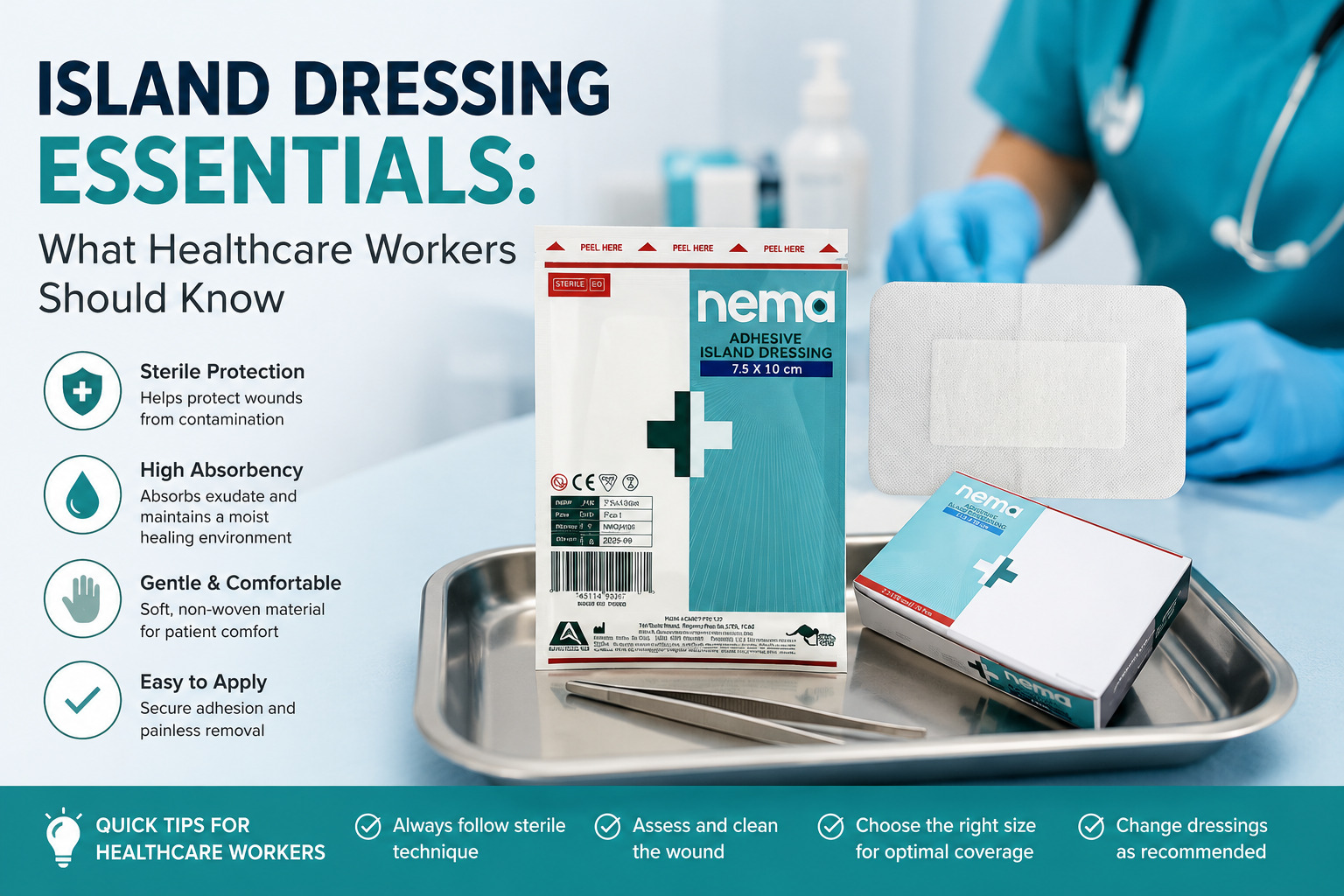
- Adhesive dressings
- Non-stick dressings
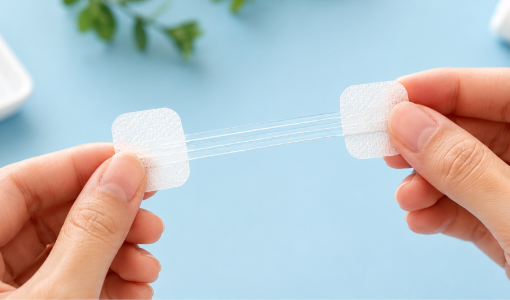
- Medical tape
- Bandages
- Disposable gloves
- Sterile saline
- Wound cleaning products
- Clinical waste bags
Not every wound will need all these products. A small cut may only need cleaning and a simple dressing, while a larger or long-term wound may need specialised dressings and other products.
You should also check the packaging before using sterile products. Do not use an item if its packaging is damaged or if it is past its expiry date.
Why Is Choosing the Right Dressing Important?
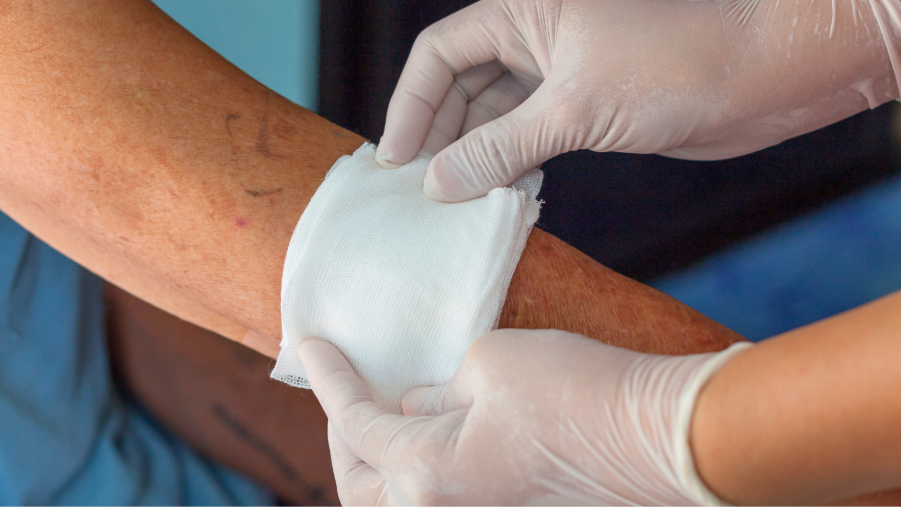
A dressing does more than cover a wound. It helps protect the area from dirt and contact while managing wound fluid. The right choice can also make dressing changes more comfortable.
Different dressings are designed for different needs. Some absorb wound fluid, while others are made to reduce sticking to the wound. Your choice may depend on the wound’s size, location, level of fluid and stage of healing.
For wounds that need ongoing treatment, a healthcare professional can recommend the most suitable dressing. Using the wrong type may cause unnecessary irritation or make wound management harder.
So, instead of choosing a dressing based only on cost, consider what the wound actually needs.
Do You Need Saline and Cleaning Supplies?
Cleaning is an important part of basic wound care. Sterile saline is commonly kept as part of medical wound care supplies and may be used to rinse or clean wounds when appropriate.
For minor wounds, Australian health guidance recommends cleaning the area with clean water or saline and covering it with a suitable dressing. Healthdirect wound care advice
Gloves should also be available when providing wound care. They help reduce direct contact with blood and wound fluid and support good hygiene.
However, you should not assume that stronger cleaning products are always better. Some products can irritate damaged skin. Follow the product directions and any advice provided by a healthcare professional.
What About Wound Care Gels?
Wound care gels can be included in some wound management plans. Solugel wound care gel, for example, may be considered where it is suitable for the wound and recommended as part of care.
However, not every wound requires a gel. The product you use should match the wound and the care plan. If you are unsure, ask a healthcare professional before applying a new product.
When purchasing a wound gel, check its intended use, directions and storage requirements. This is particularly important for clinics and healthcare facilities where products may be used across different patient needs.
What Wound Care Equipment Should You Keep?
Along with dressings and cleaning products, basic wound care equipment can help staff manage wounds safely and efficiently.
Depending on your setting, useful equipment may include:
- Medical scissors
- Dressing trays
- Forceps where appropriate
- Disposable aprons
- Examination gloves
- Masks
- Clinical waste containers
- Measuring tools for wound assessment
The equipment required by a hospital or clinic will usually be different from what is needed in a home first aid kit. Think about the type of patients you care for and the wounds your team deals with most often.
Keeping frequently used items together can also save time when supplies are needed quickly.
How Should You Organise Your Wound Care Supplies?
Good storage can help you protect your supplies and avoid unnecessary waste.
Keep products in a clean, dry area and leave sterile items in their original packaging until they are needed. Check expiry dates regularly and remove damaged products from your stock.
It can also help to separate everyday supplies from specialist products. This makes it easier for staff to find commonly used items and identify what needs to be reordered.
If your organisation uses large quantities of dressings, gloves and other consumables, bulk wound care supplies may be useful. However, bulk buying only makes sense when you have enough storage space and use the products regularly.
What Should Patient Education for Wound Care Cover?
Having the right products is only one part of good wound care. Patients also need clear instructions, especially when they are continuing treatment at home.
Patient education for wound care may cover:
- How to keep the wound clean
- When and how to change the dressing
- How to protect the wound
- What signs of infection to watch for
- How to follow the recommended treatment
- When to contact a healthcare professional
This becomes especially important for people managing wounds at home. A patient should understand what to do and what changes may need medical attention.
Increasing redness, swelling, worsening pain, pus or fever can be signs that a wound needs professional assessment. If you are concerned about a wound, seek appropriate medical advice rather than relying only on home treatment.
The Australian Government also provides information about wound care products through its Chronic Wounds Consumable Scheme. Australian Government Chronic Wounds Consumable Scheme
How Can You Build a Practical Wound Care Supplies List?
The best list is based on your actual needs. Start with the products your team uses most often, such as gauze, dressings, tape, gloves and saline. Then add specialist products and equipment based on the type of wound care you provide.
Review your stock regularly. Look at product usage, expiry dates and storage space before placing your next order. This can help prevent both shortages and unnecessary purchases.
For healthcare businesses, having dependable medical wound care supplies available can make everyday wound management more organised. Livingstone International offers a broad range of healthcare products for professional settings, making it easier to source the supplies your facility needs.
A well-planned list does not have to be long. It simply needs to include the right products for the care you provide.
FAQs
1. What should be included in a wound care supplies list?
A basic list can include sterile gauze, dressings, medical tape, bandages, gloves, saline, cleaning products and clinical waste bags. Additional items depend on patient needs.
2. What are the most commonly used wound care supplies?
Common supplies include gauze, wound dressings, adhesive tape, gloves, saline and bandages. Clinics may also need specialist dressings, wound gels and other equipment.
3. Is Solugel wound care gel suitable for every wound?
No. Different wounds have different needs. Solugel wound care gel should be used according to its directions and appropriate healthcare advice for the specific wound.
4. What supplies are needed for wound care at home?
Home wound care may require dressings, gauze, gloves, saline and other products recommended by a healthcare professional. Supplies should be stored clean and dry.
5. How often should wound care supplies be checked?
Check supplies regularly for expiry dates, damaged packaging and low stock. Facilities using large quantities may benefit from including stock checks in their routine supply process.
6. When should you seek medical help for a wound?
Seek medical advice if a wound shows increasing redness, swelling, pain, pus or other signs of infection. Severe bleeding or deep wounds may require urgent medical attention.