A blood pressure monitor may look like a simple piece of equipment, but choosing the right one matters. For clinics, aged-care facilities, schools, workplaces, and other healthcare settings, the monitor needs to provide useful readings while being practical for staff to use.
Blood pressure checks are a routine part of many healthcare services. Since high blood pressure often has no clear symptoms, regular monitoring can help identify changes that may need further attention. Australian health advice recommends regular blood pressure checks, particularly when a person has risk factors or is already being monitored.
For organisations looking for dependable medical equipment, Livingstone International provides a range of healthcare and diagnostic products. So, what should you consider before buying blood pressure monitors in Australia?
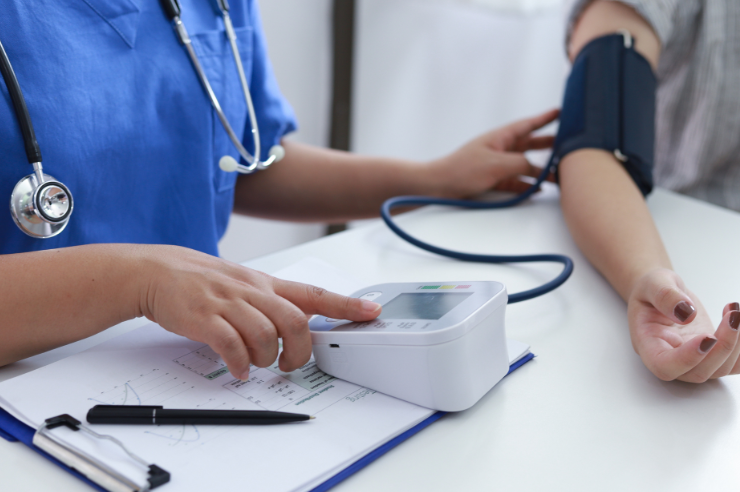
Start With the Intended Use
The first question is simple: where will the monitor be used?
A GP clinic may need equipment for frequent patient checks. An aged-care facility may need monitors for regular observations. A school or workplace may only need one for basic first-aid and health checks.
These different settings can have different requirements. Before choosing a model, consider who will use it, how often it will be used and whether several people will need to take readings throughout the day.
This helps you choose equipment based on actual needs rather than paying for features your team may rarely use.
Automatic or Manual: Which Is Better?
Blood pressure equipment is generally available in automatic and manual formats.
Automatic monitors are straightforward to operate. The cuff inflates automatically, and the monitor displays the result. This can make them useful for busy environments where staff need a quick and simple way to take readings.
Manual blood pressure equipment, such as a sphygmomanometer and stethoscope, requires more training. It can be appropriate for healthcare professionals who are experienced in taking manual readings.
The best option depends on your staff, setting and intended use. If several employees will use the equipment, ease of operation may be an important consideration.
Choose the Correct Cuff Size
The cuff should not be overlooked when purchasing a blood pressure monitor.
A cuff needs to fit the person correctly. An unsuitable cuff can affect the reading, which is particularly important when equipment is used across different patients or residents.
For aged-care facilities and healthcare providers, having access to suitable cuff sizes can be useful. Check the manufacturer’s specifications before purchasing and confirm which cuff sizes are supplied with the monitor.
This small detail can make a significant difference to how practical the equipment is in a professional setting.
Look for a Clear Display
A clear display is another useful feature, particularly when equipment is used regularly.
Staff should be able to see the systolic and diastolic readings without struggling with small numbers or complicated controls. This can be especially helpful when monitors are used with older adults.
If your organisation is buying several devices, consider whether the display and controls are consistent across the models. Familiar equipment can make routine checks easier for staff.
Accuracy Should Come First
When buying medical equipment, accuracy should be one of your main priorities.
Healthdirect recommends using an automatic upper-arm blood pressure monitor that has been tested for accuracy, with a cuff that fits correctly. It also notes that wrist and finger devices are not recommended for routine home monitoring.
For professional buyers, this is an important point. A monitor should not be selected simply because it is inexpensive or has a long list of features. Look at the manufacturer’s information and intended use before making a decision.
You can also read more about blood pressure and monitoring through the Australian Government’s Healthdirect service.
Consider Memory and Data Storage
Some digital blood pressure monitors can store previous readings. This can be useful when the same person needs to be monitored regularly.
For example, an aged-care team may need to compare readings taken over several days. A memory function can make this easier and reduce the need to record every reading manually.
However, storage capacity varies between models. If this feature is important to your organisation, check how many readings the monitor can save and whether it supports more than one user.
Think About Elderly Monitoring Needs
Elderly monitoring can require equipment that is easy for staff to operate and easy to read.
Older adults may have regular observations as part of their care. In these situations, a blood pressure monitor with straightforward controls, a readable screen and suitable cuff options can make routine checks more practical.
The equipment does not replace clinical judgement. Instead, it supports staff when taking and recording routine measurements.
If your organisation supports older people, think about the complete monitoring process. A blood pressure monitor may be used alongside other diagnostic equipment, depending on the care setting and individual requirements.
Blood Pressure Monitor or Patient Monitor?
These products are not the same.
A blood pressure monitor is designed mainly to measure blood pressure and, depending on the model, pulse rate. A patient monitor is designed to provide broader monitoring and may measure several vital signs.
So, which one does your organisation need?
If your main requirement is regular blood pressure measurement, a dedicated blood pressure monitor may be suitable. If your clinical environment requires several vital signs to be monitored at the same time, a patient monitor may be more appropriate.
Understanding this difference can prevent your organisation from purchasing equipment that does not match its actual requirements.
Check How the Equipment Will Be Maintained
Buying the monitor is only the first step. Your team should also know how to use, clean, store and maintain the equipment according to the manufacturer’s instructions.
Think about where the monitor will be stored between uses. If staff move it between rooms, departments or residents, the equipment should be protected from unnecessary damage.
It is also worth checking the cuff, tubing and monitor regularly. If something looks damaged or the equipment is not working as expected, it should be checked before further use.
For organisations managing several devices, keeping basic equipment records can also make replacement and maintenance easier.
Why the Supplier Matters
For B2B buyers, the supplier is an important part of the purchasing decision.
Healthcare organisations may need more than one monitor. They may also need related diagnostic equipment, replacement accessories or other medical supplies. Working with an established supplier can make procurement more straightforward.
Livingstone International supplies medical, healthcare and diagnostic products to customers across Australia. Its range includes blood pressure monitors and related equipment, giving organisations an option when sourcing products for professional environments.
Make the Choice Based on Your Requirements
The right blood pressure monitor is not necessarily the one with the most features. It is the one that suits your staff, setting and intended use.
Before buying, consider the cuff size, display, operation, accuracy, memory function and expected frequency of use. If the equipment will be used across an aged-care facility, clinic or workplace, think about how easily different staff members can use it.
Most importantly, choose equipment from a reliable supplier and follow the manufacturer’s instructions for use.
Livingstone International offers a range of medical and diagnostic products for Australian organisations. Explore its blood pressure monitor range to find equipment that fits your professional requirements.
FAQs
1. What should you consider when buying a blood pressure monitor?
Consider accuracy, cuff size, display, ease of use and intended setting. For professional use, also check the manufacturer’s specifications and whether the device suits your staff.
2. Are automatic blood pressure monitors suitable for professional settings?
Yes. Automatic monitors can be practical for routine checks, particularly where several staff members need to take readings. Always use the device according to its intended purpose.
3. Why does blood pressure cuff size matter?
A cuff needs to fit correctly to support an accurate reading. Organisations monitoring different people should check available sizes and consider whether additional cuffs are needed.
4. Are blood pressure monitors useful for elderly monitoring?
Yes. They can support routine observations in aged-care settings. Choose models with clear displays, simple controls and suitable cuff options for the people being monitored.
5. What is the difference between a patient monitor and blood pressure monitor?
A blood pressure monitor mainly measures blood pressure and sometimes pulse. A patient monitor can measure several vital signs, depending on its design and features.
6. Where can Australian organisations buy blood pressure monitors?
Australian organisations can source blood pressure monitors from specialist healthcare suppliers such as Livingstone International. Select equipment according to your setting and intended use.