Keeping track of your health does not always mean visiting a doctor every time you want to check a basic health reading. Today, medical monitoring devices make it easier to keep an eye on important signs at home, in aged care settings and in healthcare facilities. From checking blood pressure to monitoring other vital signs, the right device can make regular health checks more convenient.
However, choosing and using these devices correctly matters. A reading is only useful when the device is suitable, working properly and used in the right way. Livingstone International offers a range of medical equipment and monitoring products designed for healthcare and everyday monitoring needs.
What Are Medical Monitoring Devices?
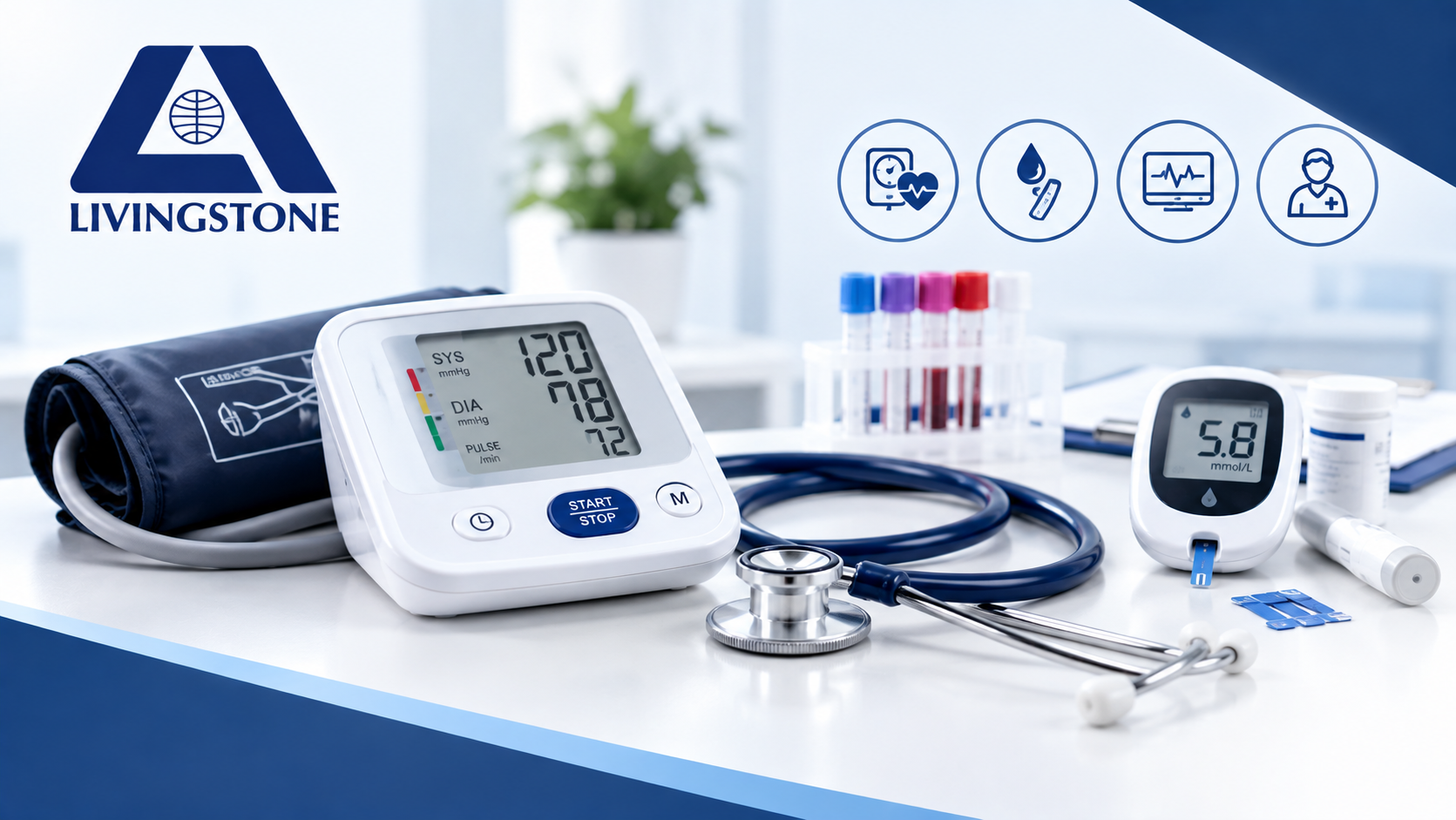
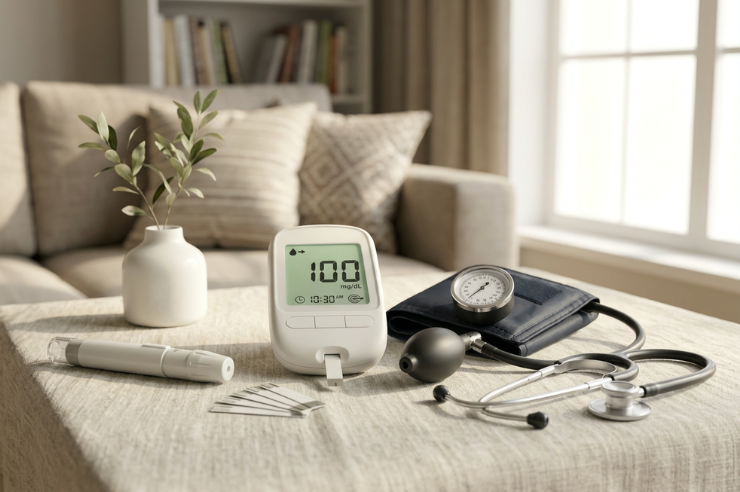
Medical monitoring devices are tools used to measure and track different aspects of a person’s health. Depending on the device, they can measure blood pressure, pulse, oxygen levels, temperature or other vital signs.
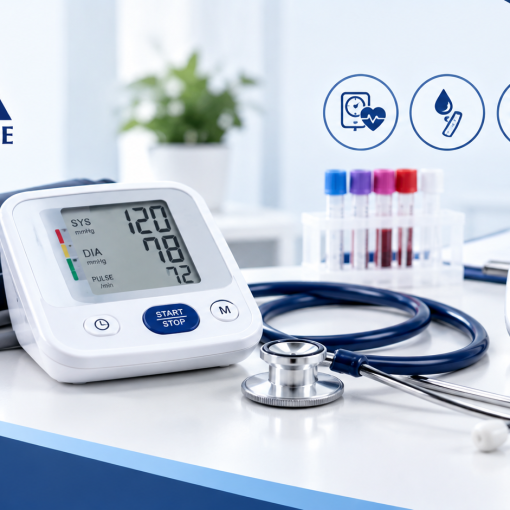
Some devices are designed for use by healthcare professionals, while others are suitable for home use. For example, blood pressure monitors can help you keep track of your readings between medical appointments.
The type of device you need depends on what you want to monitor. If you are buying one for a healthcare facility, you may need a more advanced system. For home use, a simple and easy-to-operate device may be more suitable.
Why Is Choosing the Right Device Important?
Not every monitoring device works in the same way. Some are made for professional healthcare settings, while others are designed for personal use.
Accuracy is one of the most important things to consider. An incorrect reading may cause unnecessary worry or give you a false sense of reassurance.
You should also think about who will use the device. Is it for a trained healthcare worker, an older person, a patient at home or a carer? A device with a clear display and simple controls can be easier to use regularly.
Before buying, check the product instructions and make sure the device is suitable for the intended purpose.
What Should You Check Before Buying a Blood Pressure Monitor?
If you are looking for a blood pressure monitor, there are several things worth checking.
First, look at the cuff size. The cuff should fit the user’s arm properly. A poor fit can affect the reading.
Next, consider how easy the monitor is to operate. A clear screen, simple buttons and easy-to-read results can make regular checks less difficult.
You may also want a monitor with memory storage. This can allow you to keep previous readings and discuss them with your healthcare professional.
According to healthdirect, people using a monitor at home should choose an automatic upper-arm device that has been validated for accuracy. Healthdirect also recommends sitting quietly for five minutes before taking a reading and keeping your feet flat on the floor.
For more guidance, you can read the Australian Government-supported healthdirect guide to blood pressure monitoring at home.
How Can You Get Better Readings?
Using a medical monitoring device correctly is just as important as choosing the right one.
For a blood pressure monitor, sit comfortably and relax before taking the reading. Avoid talking during the measurement. Keep your arm supported and follow the instructions supplied with your device.
Try to take readings at similar times if your healthcare professional has asked you to monitor your blood pressure regularly. Keep a record of your results so you can identify changes over time.
What about other devices? The same basic rule applies. Read the manufacturer’s instructions and use the equipment only for its intended purpose.
If you are unsure about how to use a device, ask a doctor, nurse, pharmacist or other qualified healthcare professional for help.
What About Monitoring Devices in Aged Care?
Medical monitoring can be especially useful in aged care. Older people may need regular checks of vital signs as part of their care.
Aged care monitoring devices should be easy to operate and suitable for the setting where they will be used. Staff may also need equipment that allows readings to be recorded and shared with the wider care team.
The needs of each resident are different. Therefore, the right equipment should be selected according to the person’s care plan and the advice of qualified healthcare professionals.
What Should You Do If Your Device Shows an Unusual Reading?
An unusual reading does not always mean there is a serious health problem. Several factors can affect measurements, including movement, stress, incorrect positioning or using the device incorrectly.
If you get a result that seems unusual, check that you have followed the instructions and repeat the measurement if appropriate.
Do not rely on a device to diagnose a medical condition. If readings remain unusual or you are concerned about your health, speak with a healthcare professional.
For example, consistently high blood pressure should be discussed with your doctor rather than managed based only on readings from your home device.
How Should You Look After Medical Monitoring Devices?
Good care can help your equipment remain reliable.
Keep your device clean and store it in a safe, dry place. Avoid dropping it or exposing it to extreme temperatures unless the manufacturer says it is safe to do so.
Check batteries regularly. If you notice a low battery on a blood pressure monitor, replace or recharge the battery according to the manufacturer’s instructions.
You should also check cuffs, cables, sensors and other parts for signs of damage. If something appears damaged, stop using the device until you have checked whether it is safe to continue.
For healthcare facilities, regular checks and proper storage can also help staff keep equipment ready for use.
Are Medical Monitoring Devices Regulated in Australia?
Medical devices supplied in Australia are regulated by the Therapeutic Goods Administration (TGA). The TGA is part of the Australian Government Department of Health and regulates medical devices to help protect public health and safety.
When choosing medical equipment, it is sensible to buy from a reputable supplier and check that the product is appropriate for its intended use.
Choosing Medical Monitoring Devices for Your Needs
The best device is not always the one with the most features. It should be the one that suits your needs, is simple to use and provides reliable measurements.
Think about where the device will be used, who will operate it and what needs to be monitored. You should also consider the display, power source, cuff or sensor size, memory features and cleaning requirements.
Whether you need blood pressure monitors for home use or professional monitoring equipment for a healthcare setting, choosing carefully can make everyday monitoring easier.
Conclusion
Medical monitoring devices can make regular health checks more convenient, but using the right equipment correctly is important. Always follow the manufacturer’s instructions and speak with a healthcare professional when you have concerns about your readings.
If you are looking for reliable medical equipment and monitoring products in Australia, Livingstone International provides a wide selection for healthcare, aged care and other professional settings. Explore the available monitoring equipment to find products suited to your requirements.
FAQs
1. What are medical monitoring devices used for?
Medical monitoring devices are used to measure different health signs, such as blood pressure, pulse, temperature and oxygen levels. They can support regular health checks at home or in healthcare settings.
2. What should I look for in a blood pressure monitor?
Look for an automatic upper-arm monitor with a properly fitting cuff and validated accuracy. A clear display and memory function can also make regular monitoring easier.
3. Can I use a blood pressure monitor at home?
Yes. Many blood pressure monitors are designed for home use. Follow the instructions carefully and speak with your healthcare professional about how often you should check your readings.
4. Why is my blood pressure monitor showing different readings?
Readings can change because of movement, stress, posture, talking or incorrect cuff placement. Rest before measuring and follow the manufacturer’s instructions for more consistent results.
5. How should I store medical monitoring devices?
Keep devices clean, dry and protected from damage. Follow the manufacturer’s storage instructions and check batteries, cuffs, cables and sensors regularly for signs of wear.
6. When should I speak with a healthcare professional?
Speak with a healthcare professional if your readings are repeatedly unusual, your device is difficult to use, or you are concerned about symptoms or changes in your health.