Wound care can look straightforward until you’re standing beside a patient trying to find a dressing that actually stays in place. The wound may be in an awkward spot, the patient may need to move, or the dressing may need to be changed without disturbing the wound.
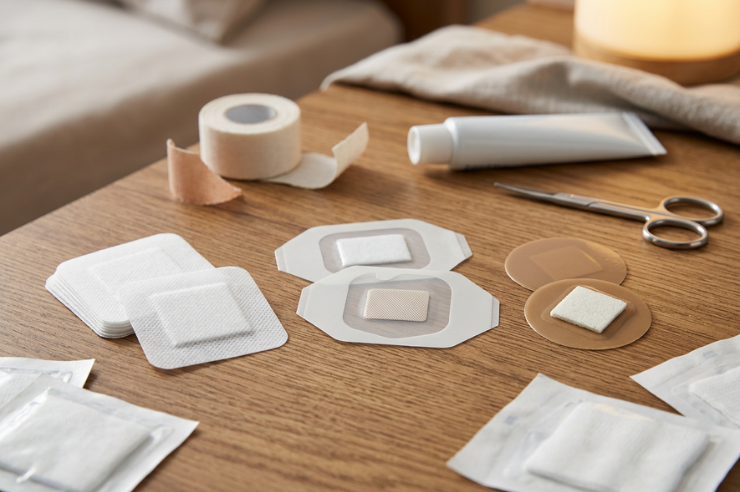
This is where an island dressing can be useful. It combines an absorbent wound pad with an adhesive border, giving you a practical way to cover and protect a wound without needing separate tape.
But not every dressing is suitable for every wound. Size, material, sterility, movement and the type of wound all matter. Let’s look at what healthcare workers should know before reaching for one.
Why Is an Island Dressing Useful?
Healthcare workers often need dressings that are easy to apply and comfortable for the patient.
A good dressing should cover the wound properly while helping protect it from everyday contact. This becomes particularly useful on areas that move frequently.
For example, a patient may have a wound near the knee, elbow or another area that bends regularly. A flexible island adhesive dressing can be more practical than a rigid dressing that feels restrictive.
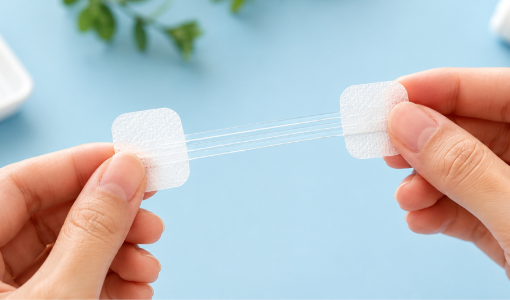
The Livingstone product is specifically described as having a flexible non-woven backing and being suitable for high-movement body areas.
1. Look at the Wound Before Choosing
The dressing should match the wound, not the other way around.
Before applying an island dressing bandage, consider the wound’s size, location and condition. A small dressing may not provide enough coverage, while an oversized one may be unnecessary.
For minor wounds, Australian health guidance recommends stopping bleeding, cleaning the wound and covering it with a suitable dressing.
If a wound is deep, gaping, heavily bleeding or showing signs of infection, a standard dressing may not be enough. Follow your clinical procedures and seek appropriate medical assessment.
2. Check the Pad Is Non-Adherent
This is one of the most useful features to look for.
A non-adherent pad is designed not to stick directly to the wound. That matters when the dressing needs to be removed or changed.
Imagine changing a dressing and finding that the wound has stuck to the pad. It can be uncomfortable for the patient and may disturb the healing area.
The Livingstone Nema dressing uses a non-adherent absorbent pad, with the product description noting that this helps avoid trauma to the underlying tissue.
For healthcare workers, this small detail can make dressing changes much more manageable.
3. Consider Sterility
When treating wounds, you need to pay attention to how the dressing is supplied.
A sterile island dressing is individually protected until it is ready to be used. This can be useful in healthcare environments where maintaining appropriate wound-care practices is important.
The featured Livingstone dressing is listed as sterile and comes in a box containing 20 pieces.
Always check the packaging before use. If sterile packaging is damaged or compromised, follow your workplace procedure rather than using the dressing.
4. Get the Size Right
Size is easy to overlook, especially during a busy shift.
The wound pad needs to sit comfortably over the wound, while the adhesive border needs enough clean, dry skin to secure the dressing.
The featured dressing measures 12 x 8.2 cm. It’s also available in smaller sizes within the same product range, so healthcare settings can keep options available for different wound sizes.
Before application, make sure the surrounding skin is suitable for the adhesive and that the dressing provides enough coverage.
5. Think About Movement
A dressing that works perfectly on the upper arm may not be the best choice for a joint.
Movement can cause a dressing to lift, wrinkle or become uncomfortable. This is why the backing material matters.
The featured non woven island dressing has a flexible adhesive backing and is described by Livingstone as suitable for high-movement areas.
That can be helpful when treating wounds in places such as elbows, knees or other areas where the skin moves regularly.
6. Waterproof Features Can Be Helpful
Healthcare environments can involve frequent contact with fluids and moisture. A dressing with waterproof properties may therefore be useful in suitable situations.
The Livingstone dressing is listed as waterproof and has a non-adherent pad.
However, waterproof doesn’t mean you should ignore your normal wound-care procedures. The dressing still needs to be checked and changed according to the wound, product instructions and clinical requirements.
7. Pay Attention to the Adhesive
The adhesive is what keeps an adhesive island wound dressing in place, but stronger isn’t always better.
The dressing needs to stay secure without causing unnecessary discomfort or skin irritation. This is especially important for older patients or people with fragile skin.
If a patient reports itching, burning or discomfort around the adhesive area, don’t simply assume it’s normal. Follow your clinical protocol and consider whether another dressing may be more appropriate.
How Should an Island Dressing Be Used?
For a minor wound, the general process is straightforward. Clean your hands, prepare the wound according to your clinical procedure, and make sure the surrounding skin is clean and dry.
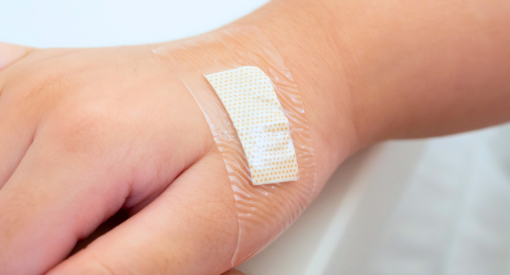
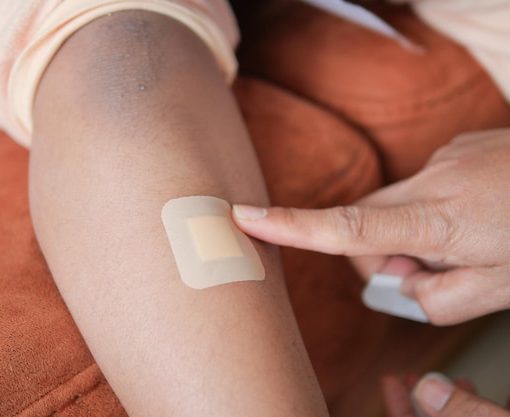
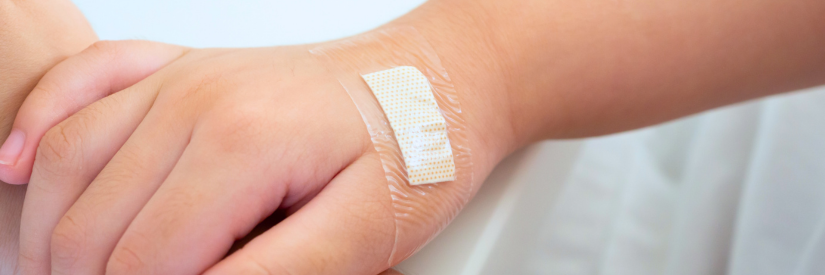
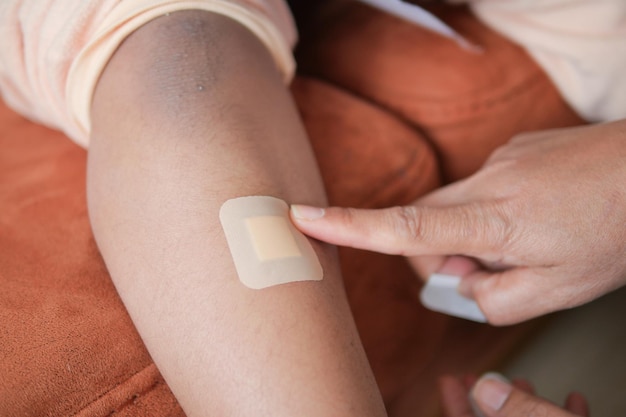
Open the dressing without touching the wound-contact surface unnecessarily. Position the absorbent pad over the wound and press the adhesive border gently onto the surrounding skin.
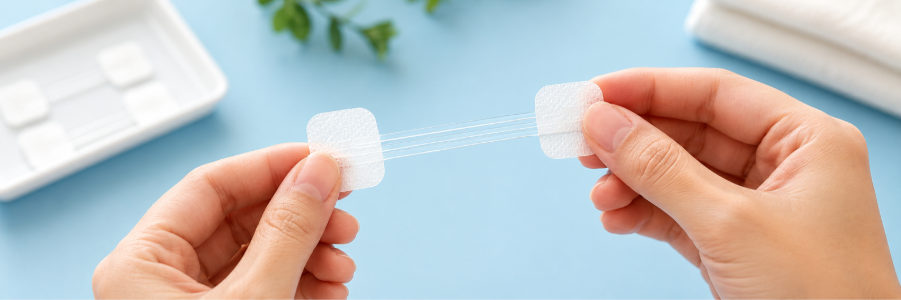
The Livingstone product has plastic tabs that can be removed to make application easier.
For specific wound types, always follow your organisation’s wound-care procedures and the manufacturer’s instructions.
When Should Healthcare Workers Seek Further Advice?
An island dressing is a dressing product, not a treatment for every type of wound.
Healthdirect advises seeking medical attention for wounds that don’t stop bleeding, are deep or gaping, are caused by bites, are contaminated, or develop signs such as increasing pain, redness, swelling, heat or pus.
Healthcare workers should also consider the patient’s wider needs, including their wound history and any factors that could affect healing.
A Practical Dressing for Everyday Wound Care
The right dressing can make a noticeable difference to both patient comfort and everyday workflow.
When selecting an island wound dressing, look at the wound size, pad design, sterility, adhesive, flexibility and intended use. A dressing that stays comfortable and secure can make routine wound care much easier.
The Livingstone Nema 12 x 8.2 cm dressing offers a sterile, non-adherent absorbent pad, non-woven adhesive backing and waterproof properties. It is supplied in a box of 20.
For more guidance on caring for wounds and knowing when further medical attention may be needed, healthcare workers can also refer to the Australian health information resource guide to wounds, cuts and grazes.
A little preparation goes a long way. Keep suitable dressing sizes available, follow your workplace procedures and choose products that fit the wound and the patient’s needs.
FAQs About Island Dressings
Can an island dressing be used over a wound with heavy drainage?
It depends on the amount of drainage and the dressing’s absorbency. A standard island dressing may not be suitable for a heavily exuding wound. In that situation, healthcare workers should assess the wound and use a dressing designed for the required level of absorption.
Why does a non-adherent pad matter during dressing changes?
The pad is designed to reduce sticking to the wound surface. This can make removal more comfortable and help avoid unnecessary disturbance to the healing tissue. It can be particularly useful when dressings need to be changed regularly.
Does a waterproof island dressing need to be changed after getting wet?
Not automatically. The decision depends on the product, wound condition and clinical protocol. If the dressing becomes loose, contaminated or otherwise unsuitable, it should be replaced according to the appropriate procedure.
Is a larger island dressing always better for a larger wound?
Not necessarily. The dressing should provide appropriate coverage without using unnecessary material. For a larger or complex wound, healthcare workers should assess the wound and select a dressing specifically suited to its size and condition rather than simply choosing the largest available option.
Can an island dressing be used on areas that move frequently?
Some are designed with flexibility in mind. The featured Livingstone dressing has a non-woven adhesive backing and is described as suitable for high-movement areas. However, the location of the wound and the patient’s movement should still be considered before application.
What should you check before applying a sterile island dressing?
Check the dressing size, packaging integrity, expiry information and suitability for the wound. Also make sure the surrounding skin is appropriate for the adhesive. If anything about the wound or product is unsuitable, follow your clinical guidelines rather than applying it simply because it is available.