When caring for a wound, the amount of fluid can tell you a lot about its condition. A small amount of fluid may be a normal part of healing. However, too much fluid can make wound care more difficult and affect the skin around the wound.
This fluid is called wound exudate. Managing it properly is important because excess moisture may cause discomfort and make the surrounding skin soft or irritated.
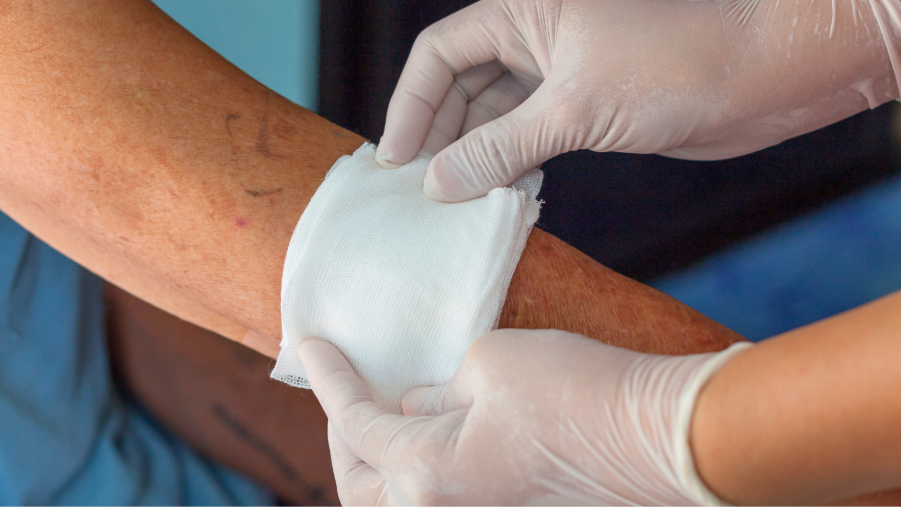
Sterile Gauze Swabs can help absorb wound fluid and keep the area covered during general wound care. Our soft and absorbent design makes them useful in healthcare settings, first-aid kits, and everyday wound care.
Livingstone International supplies a wide range of medical consumables, including sterile cotton gauze swabs designed for practical wound care. Using suitable products can help you manage wounds more effectively while supporting a clean care routine.
What Is Wound Exudate?
Wound exudate is the fluid released from a wound during the healing process. It may contain water, proteins, cells, and other materials involved in repairing damaged tissue.
The amount of fluid can differ from one wound to another. Some wounds produce very little, while others release a larger amount. The fluid may also change in colour, thickness, or quantity as the wound heals.
A small amount of clear or light-coloured fluid may be expected in some cases. However, a sudden increase in fluid, an unusual colour, or a strong smell may need further attention.
The aim is not always to remove all moisture from a wound. Some moisture can support healing. The important part is managing excess fluid and protecting the healthy skin around the wound.
Why Does Wound Exudate Need to Be Managed?
Too much wound fluid can create several problems. If moisture remains on the skin for a long time, the skin may become soft and weak. This can make the area more sensitive and may affect the healing process.
A wet dressing may also become uncomfortable and may no longer absorb fluid effectively. For this reason, wound dressings should be checked and changed when required.
At the same time, a wound should not be allowed to become too dry without professional advice. Wound care is often about maintaining a suitable balance. The right product should help manage excess fluid without causing unnecessary dryness.
The amount of exudate can also change over time. Regular checks can help you notice changes and decide whether the wound needs further assessment.
How Do Sterile Gauze Swabs Absorb Wound Fluid?
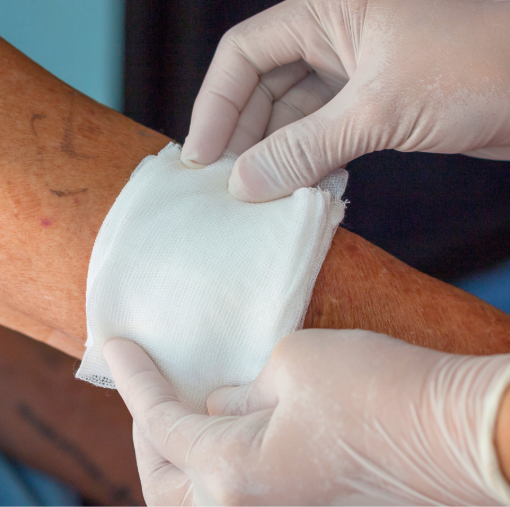
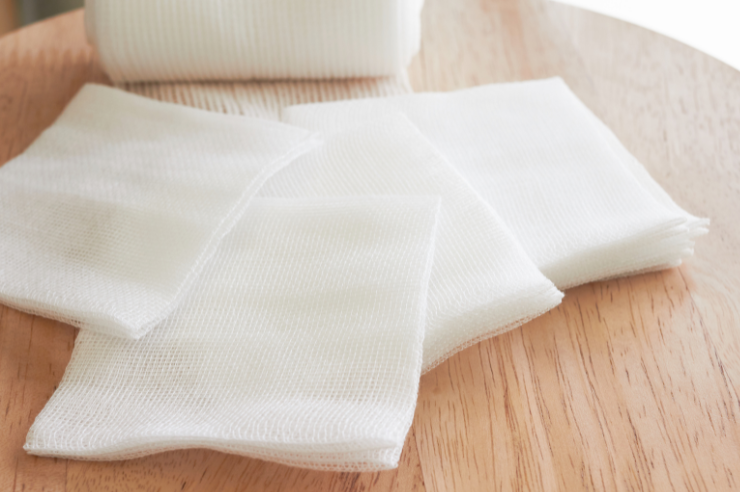
Sterile Gauze Swabs are made from woven material with small spaces between the fibres. These spaces allow the gauze to take in and hold fluid.
Cotton gauze is commonly used because it is soft, flexible, and absorbent. When placed over a suitable wound, the gauze can absorb some of the fluid and help keep excess moisture away from the surrounding skin.
The absorbency of a gauze swab can depend on its size and thickness. A thicker swab with more layers may hold more fluid than a thinner option. For example, an 8-ply gauze swab has several layers that can support absorption.
However, gauze may not be the right choice for every wound. A wound that produces a large amount of fluid may need a specialised dressing. A healthcare professional can recommend the most suitable option based on the wound’s condition.
How Can Gauze Help Protect the Skin Around a Wound?
The skin around a wound can become damaged when it stays wet for too long. This may cause the skin to look pale, feel soft, or become sore.
Absorbent Cotton Gauze Swabs can help reduce the amount of fluid sitting against the surrounding skin. By taking in excess moisture, the gauze may help keep the area cleaner and more comfortable.
However, gauze should not be left in place after it becomes heavily soaked. A saturated swab may not absorb additional fluid and can allow moisture to remain against the skin.
The dressing should be checked regularly and changed according to the wound care plan. The correct timing will depend on the type of wound and the amount of fluid it produces.
Why Is Sterility Important?
Sterility is important when a product is used on an open wound. Sterile gauze is prepared and packaged to reduce the presence of microorganisms before use.
Using sterile products can support a clean wound care process. However, the product must be handled carefully to keep it clean before it reaches the wound.
Before using a sterile gauze swab, check that the packaging is fully sealed and undamaged. Do not use the product if the package is torn, open, or wet.
You should also clean your hands and prepare a suitable area before starting wound care. Avoid touching the part of the gauze that will come into contact with the wound.
Good hand hygiene and proper handling are important parts of reducing the risk of contamination during wound care. You can also refer to the Australian Government’s infection prevention and control resources for further information about safe infection control practices.
What Makes Cotton Gauze Swabs Useful?
Cotton gauze is widely used because it is soft, lightweight, and easy to handle. It can be folded or layered to suit different areas of the body.
Depending on the wound care plan, cotton gauze may be used to:
- Absorb light to moderate wound fluid
- Cover and protect a wound
- Clean the skin around the affected area
- Apply suitable wound care solutions when advised
- Support general first-aid and healthcare procedures
The flexible nature of gauze can make it easier to use on different parts of the body. It can also be used as part of a wider dressing system when recommended by a healthcare professional.
Livingstone International offers sterile gauze swabs made from cotton in practical sizes and ply options for a range of healthcare needs.
Are Sterile Gauze Swabs Suitable for Heavily Draining Wounds?
Gauze can absorb wound fluid, but it may not be suitable as the only dressing for a wound with heavy exudate.
Highly draining wounds may need a more absorbent dressing that can manage larger amounts of fluid. The right product will depend on the wound’s size, depth, location, and overall condition.
Using too little absorbent material may result in frequent leakage or moisture around the wound. On the other hand, using an unsuitable dressing may affect the wound environment.
If a wound produces a large amount of fluid, changes suddenly, or continues to leak through the dressing, it should be assessed by a qualified healthcare professional.
How Should You Use Sterile Gauze Swabs Safely?
Start by washing your hands or following the required hand hygiene process. Prepare the wound care products before opening the sterile package.
Check the packaging carefully. If it is damaged or already open, use a new sterile product.
Open the pack without touching the part of the gauze that will be placed on the wound. Follow the instructions provided by your healthcare professional, especially if the wound needs specific cleaning products or dressing methods.
After use, dispose of single-use gauze safely. Do not wash and reuse sterile gauze swabs unless the product instructions clearly state that they are reusable.
If you notice increasing pain, swelling, redness, unusual fluid, or a strong smell, seek medical advice.
Conclusion
Managing wound exudate is an important part of wound care. Although some fluid may be normal, excess moisture can affect the wound and the healthy skin around it.
Sterile Gauze Swabs can help absorb light to moderate amounts of wound fluid, support a clean care routine, and provide suitable coverage when used correctly. Our soft and flexible design also makes them useful in many healthcare and first-aid settings.
Every wound is different, so the right dressing should be chosen according to the amount of fluid and the condition of the wound. If you are unsure, speak with a healthcare professional.
Livingstone International provides reliable medical consumables, including sterile cotton gauze swabs, to support healthcare professionals and everyday wound care needs.
Frequently Asked Questions
1. How do I know if a wound is producing too much fluid?
You may notice that the dressing becomes soaked quickly or that fluid leaks onto the surrounding skin. A sudden increase in fluid should be discussed with a healthcare professional.
2. Can sterile gauze swabs be placed directly on an open wound?
Sterile gauze may be used on suitable wounds, but the correct method depends on the wound and the care plan. Follow advice from a qualified healthcare professional.
3. What should I do if the gauze sticks to the wound?
Do not pull the gauze away forcefully. Follow the wound care instructions you have been given or seek advice from a healthcare professional before removing it.
4. How often should I change a sterile gauze dressing?
The timing depends on the amount of wound fluid and the type of wound. Change the dressing according to professional advice or when it becomes wet, loose, or soiled.
5. Can gauze manage heavy wound exudate?
Gauze may absorb some fluid, but heavily draining wounds may need a specialised dressing. A healthcare professional can assess the wound and recommend a suitable option.
6. What changes in wound fluid should I look out for?
Look for a sudden increase in fluid, an unusual colour, a strong smell, or changes linked with increasing pain, redness, or swelling. Seek medical advice if these occur.