A dressing may look like a simple piece of medical material, but choosing the right one can make wound care much easier. The dressing needs to cover the wound well, stay in place and be comfortable when you need to change it.
An Adhesive Island Dressing is made for this purpose. It has a central pad that covers the wound and an adhesive area around it that sticks to the skin. Livingstone International supplies sterile adhesive island dressings with a non-adherent pad, making them a practical option for suitable wound-care needs.
But is an adhesive island dressing right for every wound? How should you apply it? And what should you check before using one? Let’s look at the important points in simple terms.
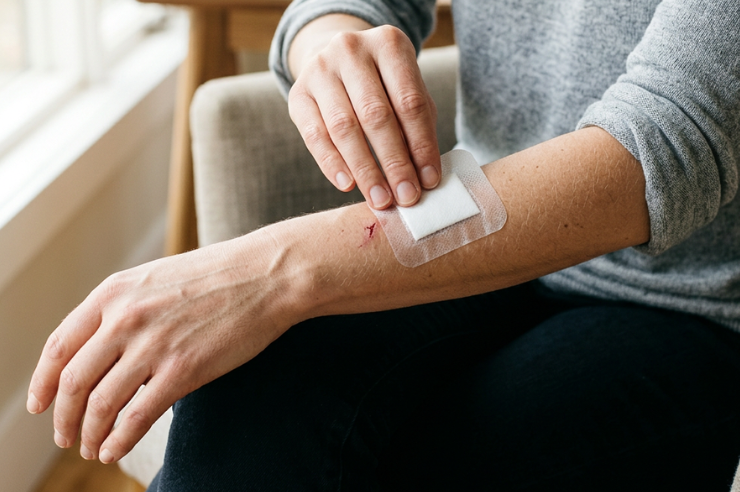
What Is an Adhesive Island Dressing?
An adhesive island dressing has two main parts.
The first is the central wound pad. This part sits over the wound and helps absorb fluid. The second is the adhesive border around the pad. It sticks to the skin around the wound and helps keep the dressing in place.
The Livingstone Nema Adhesive Island Dressing is sterile and has a non-adherent absorbent pad. The 8.2 x 6 cm version is supplied in a box of 50 dressings.
This design can be useful when you want to cover a wound without needing separate medical tape.
Why Is the Non-Adherent Pad Important?
One of the main things to look for in an Island Dressing wound is the type of pad that sits against the wound.
A non-adherent pad is designed to reduce sticking to the wound. This can be helpful when you need to remove the dressing later.
Why does this matter?
A wound can produce fluid while it heals. Some materials may stick to the wound as they dry. Removing them can then be uncomfortable.
A non-adherent pad provides a layer between the wound and the absorbent material. This can make dressing changes easier while still helping protect the wound.
However, every wound is different. If you are unsure which dressing is suitable, ask a healthcare professional.
Is an Adhesive Island Dressing Suitable for Every Wound?
No. It is important to look at the wound before choosing a dressing.
An adhesive island dressing may be suitable for some minor cuts, grazes and other wounds that need covering. It can help protect the area from dirt and everyday contact.
However, deeper wounds may need different care. A wound that is heavily bleeding, very deep or caused by an animal bite may require medical attention.
The Australian Government’s health information service, healthdirect, recommends getting medical help for wounds that are deep, do not stop bleeding or show signs of infection.
So, do not rely on a dressing alone if the wound looks serious.
What Should You Check Before Applying the Dressing?
Before applying an adhesive island dressing, take a moment to check the wound and the surrounding skin.
First, make sure the dressing is the right size. The wound pad should cover the wound properly. You should not have the injured area sticking out from the sides of the pad.
Next, check the packaging. A sterile dressing should remain sealed until you are ready to use it. If the package is damaged, opened or wet, choose another dressing.
You should also check the expiry date.
Finally, look at the skin around the wound. The adhesive needs clean, dry skin to stick properly.
These small checks can make the whole process easier.
How Should You Prepare the Wound?
Clean preparation is an important part of basic wound care.
For a minor wound, wash your hands before touching the area. The wound can then be cleaned with clean water or saline, depending on the situation and suitable medical advice.
Do not scrub the wound roughly. A gentle approach is usually better.
Once the area has been cleaned, allow the surrounding skin to dry. This is especially important because moisture can make it harder for the adhesive border to stay in place.
Healthdirect also recommends cleaning minor wounds and covering them with a suitable non-stick dressing or bandage.
How Do You Apply an Adhesive Island Dressing?
Applying the dressing does not need to be complicated.
Start by opening the packaging carefully. Try not to touch the part of the dressing that will sit over the wound.
Place the central pad directly over the wound. Make sure it covers the whole area.
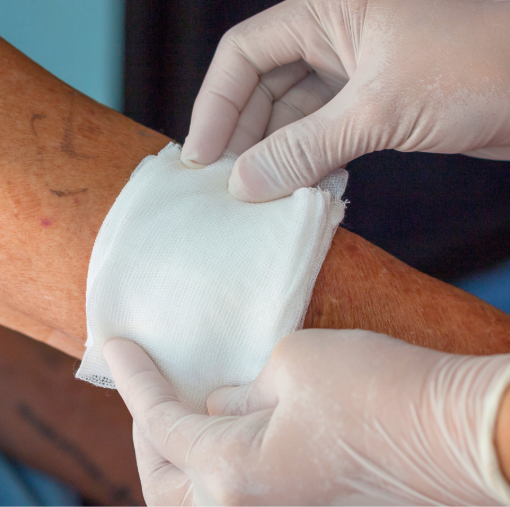
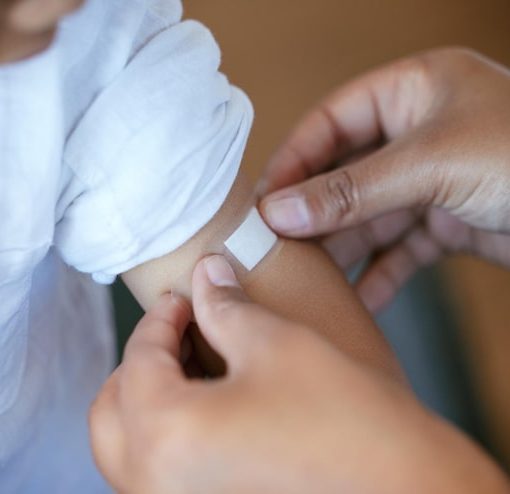
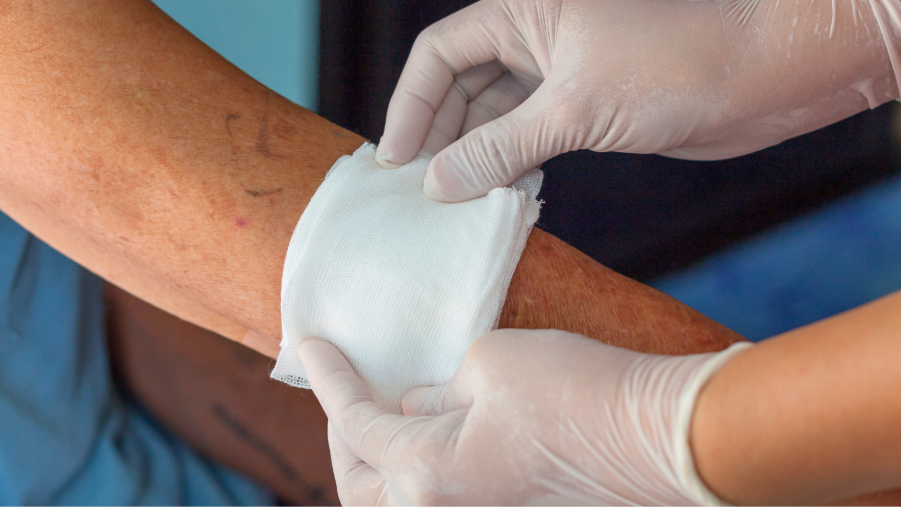
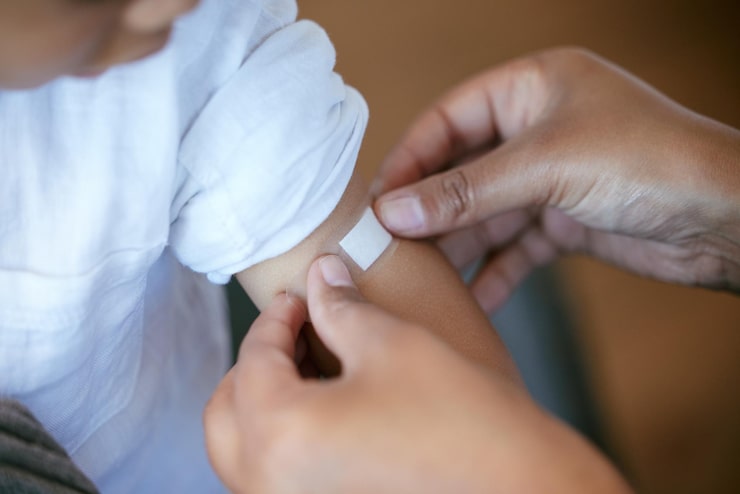
Next, press the adhesive border gently onto the clean, dry skin around the wound. Smooth it down so there are no loose edges.
Do not stretch the dressing tightly across the skin. It should feel secure but comfortable.
If the dressing does not stick properly, check whether the surrounding skin is wet, oily or dirty. You may need to replace it with a fresh dressing rather than repeatedly trying to press the same one into place.
Can You Use an Adhesive Island Dressing on Moving Areas?
It can be useful on certain areas where the body moves regularly.
For example, wounds on the arms or legs may experience movement throughout the day. An adhesive border can help hold the dressing in place during normal activity.
Still, the location of the wound matters. A dressing that works well on one part of the body may not be the best choice for another.
You should also avoid placing a dressing in a way that restricts normal movement or causes discomfort.
If the wound is near a joint or another difficult area, professional advice can help you choose a suitable dressing.
What Is a Non Woven Dressing?
A Non woven Dressing is made from fibres that are bonded together rather than woven into a traditional fabric.
Non-woven materials are commonly used in medical products because they can be soft and flexible. In an island dressing, the non-woven material forms part of the dressing around the wound pad.
Livingstone’s Nema Adhesive Island Dressing is made from nonwoven material and includes an absorbent, non-adherent pad.
When choosing a dressing, it is useful to look at the full product details rather than focusing on the material alone.
Is a Waterproof Island Dressing Always Necessary?
Not every wound needs a waterproof dressing.
A Waterproof Island Dressing may be useful in situations where protection from water is important. However, you should not assume that every adhesive island dressing is waterproof.
Always check the product description before buying one for this purpose.
Livingstone offers different types of island dressings, including products specifically designed with waterproof features. So, if water protection is important for your situation, check the exact product specifications.
This is a simple step, but it can prevent you from choosing a dressing that does not meet your needs.
How Often Should You Change the Dressing?
There is no single answer for every wound.
The dressing may need to be changed if it becomes wet, dirty, loose or heavily soiled. The condition of the wound also matters.
Follow the instructions supplied with the dressing and any advice given by your healthcare professional.
When removing the dressing, do not pull it off roughly. Take your time and remove it gently.
If the dressing appears to be stuck to the wound, do not force it. If you are concerned about the wound or cannot remove the dressing comfortably, seek appropriate medical advice.
What Signs Should You Watch For?
Most minor wounds improve with time, but it is still important to keep an eye on them.
Look for changes such as:
- Increasing redness around the wound
- More swelling
- Increasing pain
- Warmth around the area
- Pus or unusual discharge
- A wound that does not seem to be improving
These signs may need medical attention.
You should also seek help if you develop a fever or feel generally unwell after an injury.
If you are worried about the wound at any point, it is better to ask a healthcare professional rather than trying to manage it yourself.
How Can You Choose the Right Dressing Size?
Size is easy to overlook.
The central pad should be large enough to cover the wound completely. At the same time, the adhesive border should have enough room to attach to the surrounding skin.
Livingstone’s 8.2 x 6 cm Adhesive Island Dressing is one option for smaller wound-care needs. It comes as a sterile dressing with a non-adherent pad and adhesive border.
If the wound is larger, you may need a larger dressing. Do not try to make a small dressing cover an area that it cannot properly protect.
Why Is Sterility Important?
A sterile dressing is packed to help keep the product free from contamination before use.
That is why you should always check the packaging before opening it. Do not use a sterile dressing if the packaging is damaged or has already been opened.
You should also wash your hands before handling the dressing.
Keeping the dressing clean from the moment you open it until it is applied helps support good wound-care practice.
Why Choose Livingstone International for Adhesive Dressings?
Finding the right dressing is easier when you have access to clear product information and a broad range of medical supplies.
Livingstone International supplies adhesive island dressings in different sizes and formats. Its Nema Adhesive Island Dressing range includes sterile dressings with non-adherent absorbent pads.
The 8.2 x 6 cm version is supplied in a pack of 50, which can be useful for healthcare settings, workplaces and first aid supply areas.
When you are buying wound-care products, consider the wound type, dressing size, adhesive type and any special features you need.
Final Thoughts
An Adhesive Island Dressing can make basic wound care simpler by combining a wound pad with an adhesive border. The non-adherent pad helps reduce sticking, while the adhesive area helps keep the dressing in place.
Before using one, check the wound, dressing size, packaging and expiry date. Clean the wound properly and make sure the surrounding skin is dry before applying the dressing.
Remember that not every wound can be treated with a standard dressing. If the wound is deep, badly bleeding or showing signs of infection, seek medical advice.
For reliable wound-care and first aid supplies, Livingstone International offers a wide range of dressings and other healthcare products. Its adhesive island dressing range gives you practical options for different wound-care needs.
Frequently Asked Questions
1. Can an Adhesive Island Dressing be used on a wound that produces fluid?
Yes, the absorbent centre can help manage wound fluid. However, if the dressing becomes soaked quickly or the wound produces a lot of fluid, professional advice may be needed.
2. Why might an adhesive island dressing lose its grip during the day?
Sweat, moisture, oily skin, body movement and friction can affect the adhesive. Applying the dressing to clean, dry skin can help it stay in place.
3. Can removing an adhesive island dressing damage healing skin?
A non-adherent pad is designed to reduce sticking to the wound. Even so, remove the dressing gently and avoid pulling it quickly, especially when the skin is tender.
4. Can an adhesive island dressing be used near a joint?
It may be suitable for some wounds near joints, but movement can affect how well the dressing stays in place. Choose the right size and avoid restricting movement.
5. What happens if an adhesive island dressing becomes wet?
A wet dressing may no longer provide the intended protection. Check the product instructions and replace it when required, particularly if the wound or dressing becomes contaminated.
6. How can you tell if an adhesive island dressing is no longer suitable?
Check for signs such as a loose border, heavy wound fluid, contamination or skin irritation. If the wound itself is worsening, seek advice from a healthcare professional.