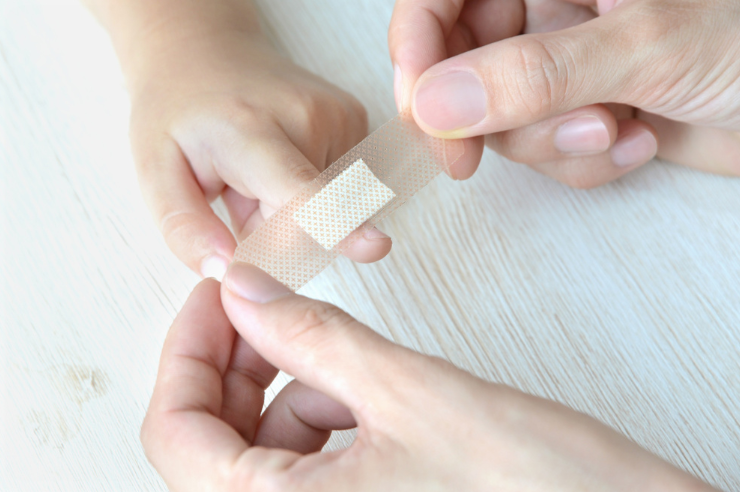
When you get a small cut or scrape, you don’t usually think much about it. But the way you treat it can make a big difference. That’s where adhesive strips first aid come in. These simple strips help protect your wound, keep it clean, and support faster healing. If you use them the right way, you can avoid infection and discomfort.
Brands like Livingstone International also focus on quality medical supplies that make everyday care easier. Let’s explore more about it:
Why Adhesive Strips Matter in First Aid
You might think a small cut will heal on its own, and sometimes it does. But leaving it open can expose it to dirt and bacteria. That’s why first aid adhesive strips are so important.
They create a protective layer over your wound. This helps in three simple ways:
- Keeps germs out
- Reduces irritation from rubbing
- Supports natural healing
If you are someone who is always on the go, you will find these strips very useful. You can quickly clean the wound, apply a strip, and continue your day without worry.
What Makes Adhesive Strips Effective?
Not all first aid plaster strips are the same. Some are made for comfort, while others are designed for stronger protection. The best ones usually have:
- A soft pad to absorb blood
- A sticky layer that holds well on skin
- Breathable material to allow airflow
You may also come across plastic strips first aid options. These are water-resistant and work well if you expect the area to get wet. On the other hand, a fabric plaster strip is flexible and ideal for joints like fingers or knees.
When Should You Use Adhesive Strips?
You should use adhesive plastic strips first aid for minor injuries like:
- Small cuts
- Scrapes
- Blisters
- Minor burns
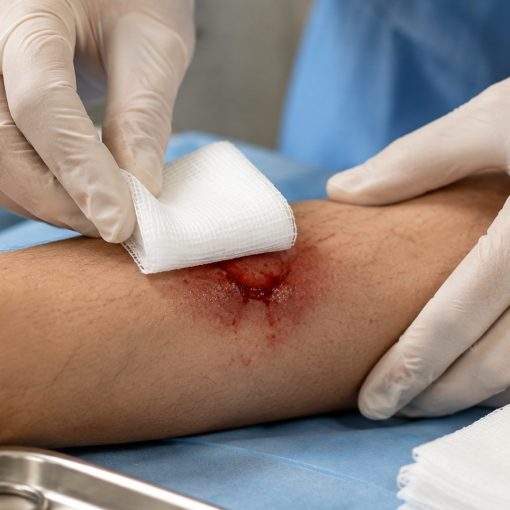
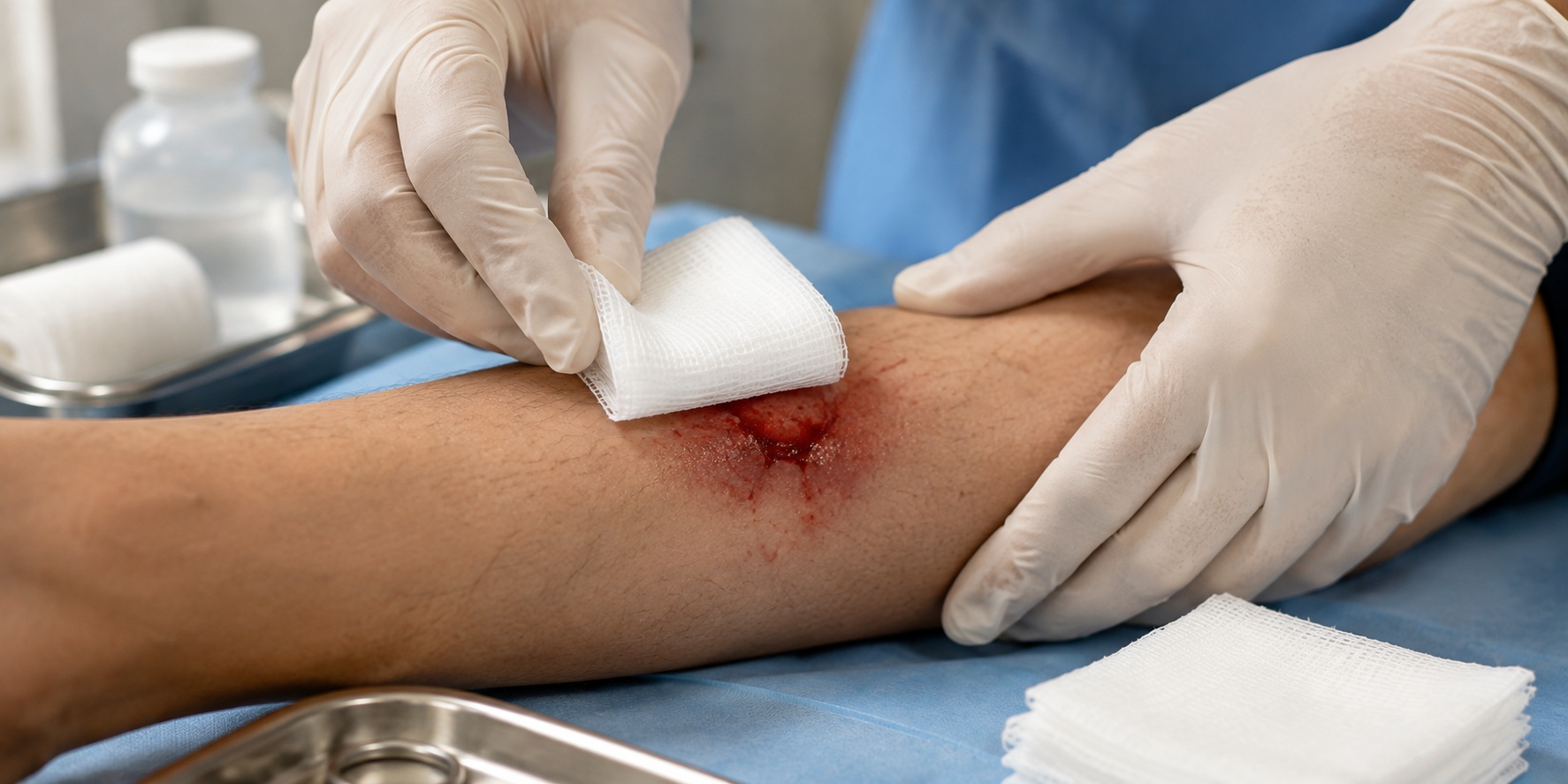
Before applying, always clean the wound properly. You can rinse it with clean water and gently dry it. This simple step reduces the risk of infection.
According to information from Australian health resources, proper wound care can significantly reduce the risk of infection and speed healing. This is why even small injuries should not be ignored.
Step-by-Step: How to Use Adhesive Strips
If you want the best results, you should follow a simple process:
1. Clean the wound
Use clean water to remove dirt. Avoid harsh chemicals.
2. Dry the area
Pat the skin gently. Do not rub.
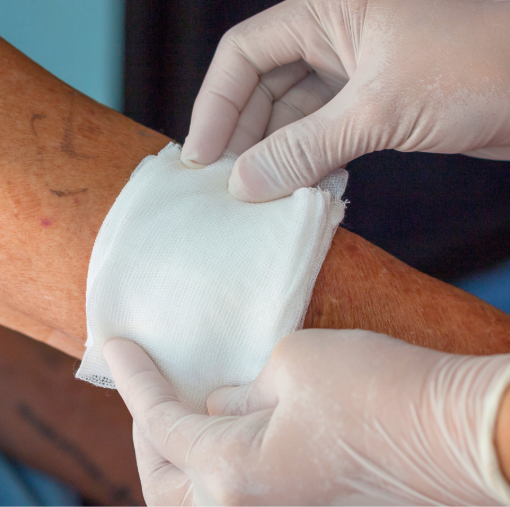
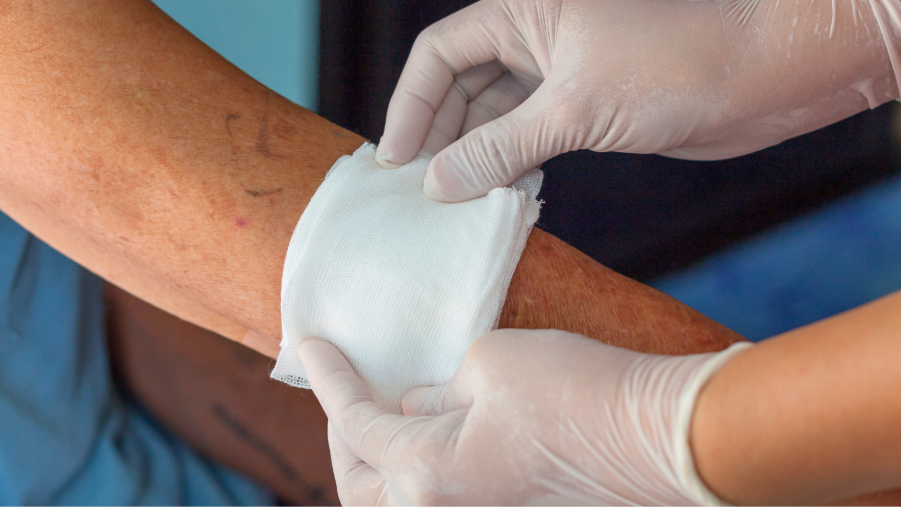
3. Apply the strip
Place the pad directly over the wound.
4. Press the edges
Make sure the strip sticks well on all sides.
5. Change regularly
Replace it daily or when it gets wet or dirty.
When you follow these steps, even basic plaster strips for cuts can do a great job.
Types of Adhesive Strips You Should Know
You will find different types in the market. Choosing the right one depends on your need.
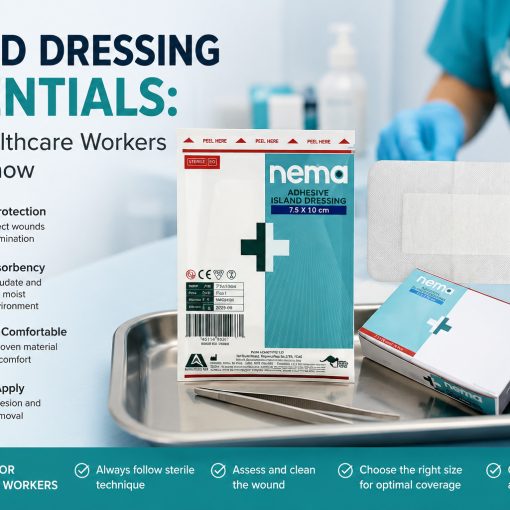
Sterile plaster strips
These are pre-cleaned and safe for open wounds. They are ideal when hygiene is very important.
Plastic strips
Best for water resistance. Good for outdoor use.
Fabric strips
Flexible and comfortable. Perfect for areas that move a lot.
Specialised strips
Some strips are designed for sensitive skin or extra cushioning.
If you keep a mix of these in your kit, you will always be prepared.
Common Mistakes to Avoid
Even though adhesive strips first aid sound simple, many people make small mistakes.
- Applying to dirty skin
- Not changing the strip regularly
- Using the wrong size
- Ignoring signs of infection
If your wound becomes red, swollen, or painful, you should seek medical advice.
Why Quality Matters
You might be tempted to buy cheaper options, but quality plays a big role. A good adhesive strip stays in place, feels comfortable, and protects properly.
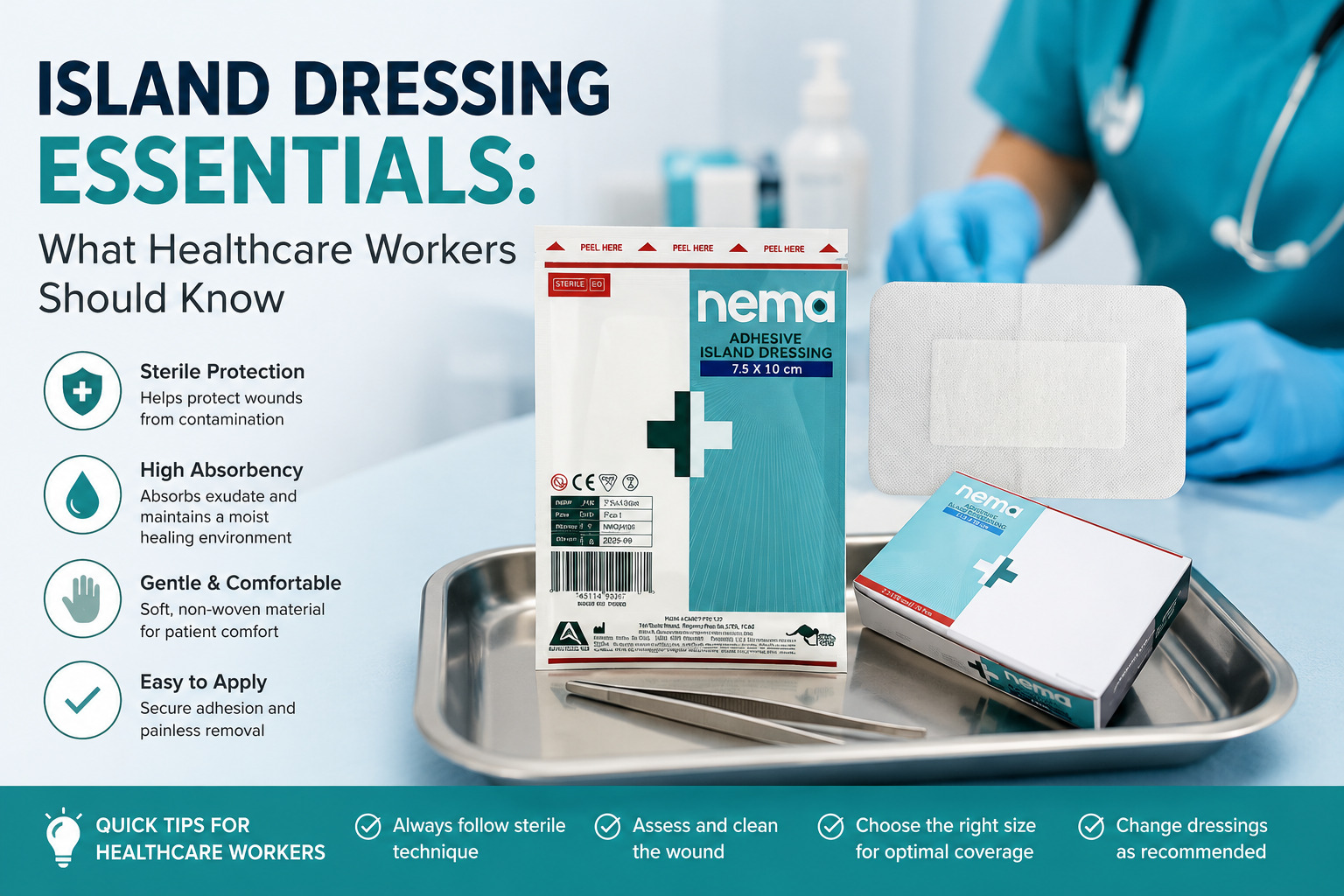
This is where trusted suppliers like Livingstone International stand out. We focus on medical-grade products that meet safety standards. When you use reliable supplies, you reduce risks and improve care.
Keeping Adhesive Strips in Your First Aid Kit
You should always have first aid adhesive strips in your home, car, or travel bag. They take up very little space but are extremely useful.
A basic kit should include:
- Different sizes of strips
- Sterile options
- Fabric and plastic varieties
This way, you are ready for any small injury.
Final Thoughts
Small injuries are part of daily life. But how you handle them matters. Using adhesive strips for first aid is one of the easiest ways to protect yourself and your family.
When you take a few minutes to clean and cover a wound, you help it heal faster and stay safe. Choosing good quality products, like those from Livingstone International, also adds an extra layer of confidence to your care routine.
FAQs
1. How often should you change first aid adhesive strips?
You should change first aid adhesive strips at least once a day or whenever they become wet or dirty. This keeps the wound clean and reduces the risk of infection.
2. Can you use adhesive strips on deep cuts?
No, plaster strips for cuts are only for minor wounds. Deep cuts may need stitches or medical attention, so you should always consult a healthcare professional.
3. Are plastic strips better than fabric plaster strips?
Both have their uses. Plastic first aid strips are water-resistant, while a fabric plaster strip is more flexible and comfortable for moving areas like joints.
4. What is the benefit of using sterile plaster strips?
Sterile plaster strips help reduce the risk of infection because they are free from germs. They are especially useful for fresh or open wounds.
5. Can adhesive strips cause skin irritation?
Yes, some people may experience irritation. If you have sensitive skin, choose hypoallergenic first aid adhesive strips and avoid leaving them on for too long.
6. How do you know if a wound needs more than an adhesive strip?
If the wound is deep, bleeding heavily, or shows signs of infection like redness or swelling, you should seek medical help instead of relying only on adhesive plastic strips first aid.