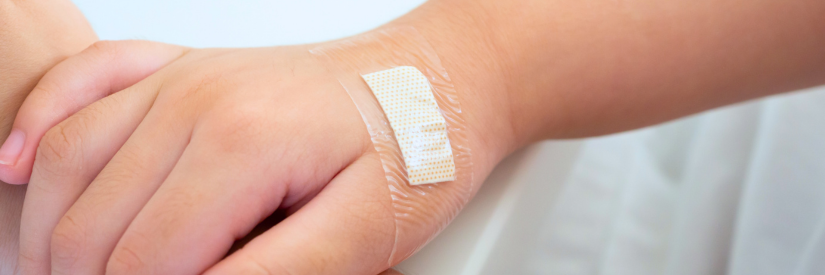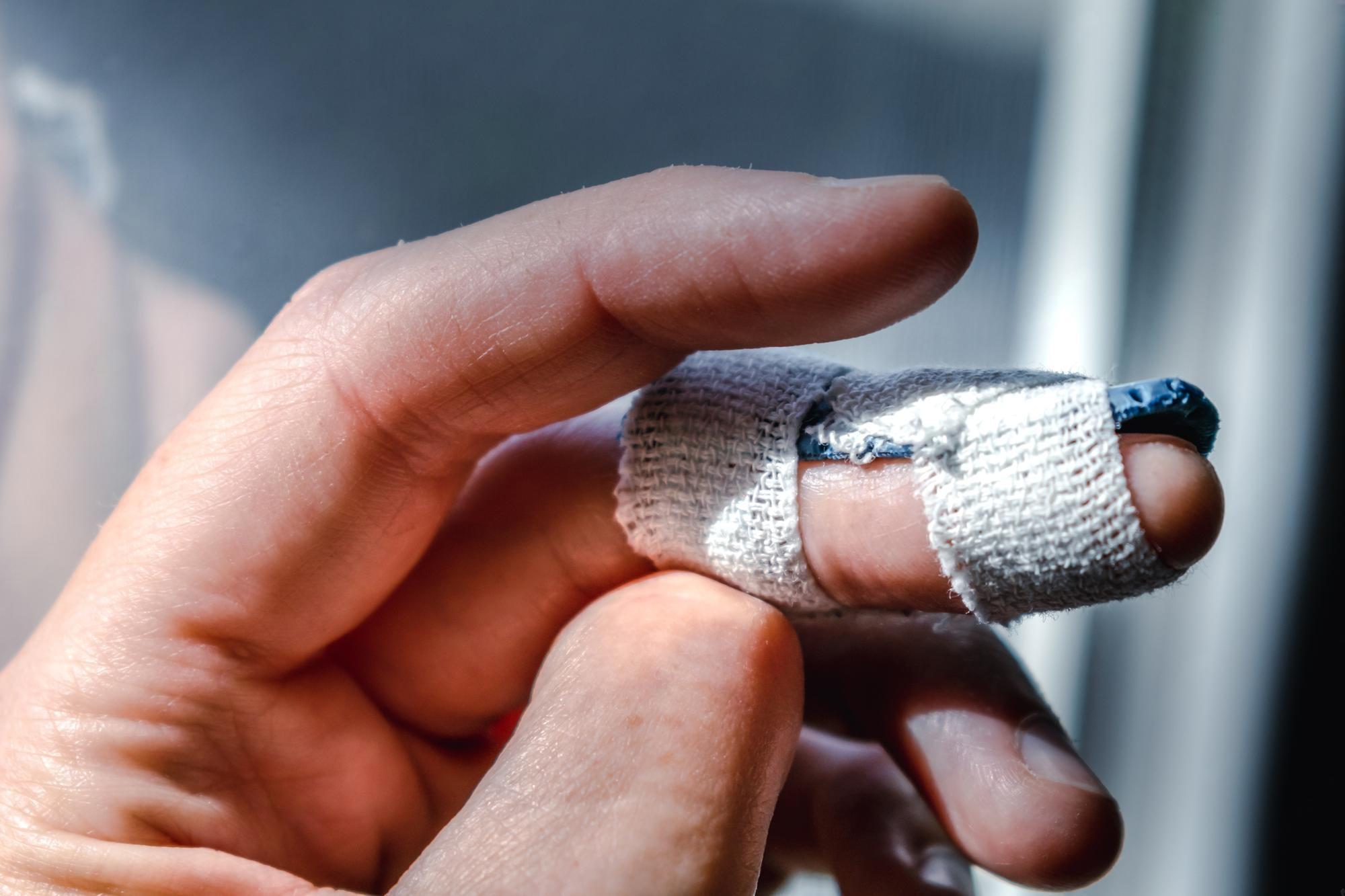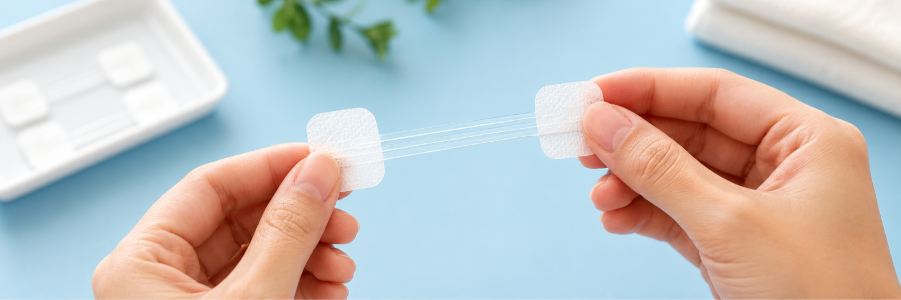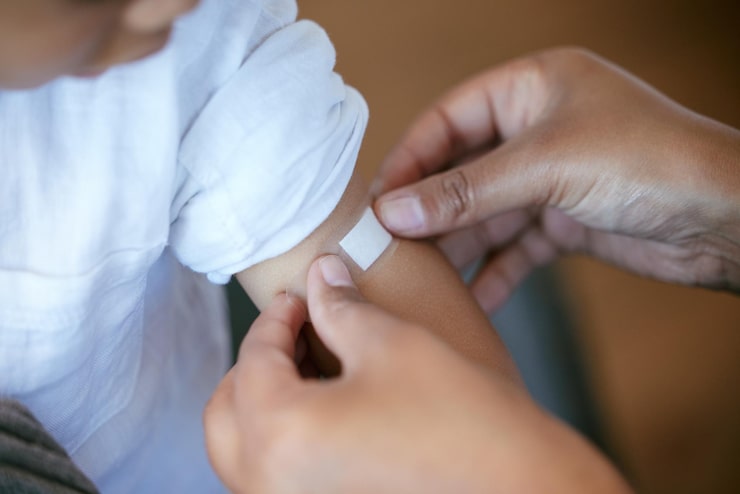
When you get a cut, scrape, or small wound, the way you care for it can make a real difference in how quickly it heals. Simple steps like cleaning and covering the area properly help reduce the risk of infection and keep your skin protected. That’s where gauze swabs become very useful in first aid. They are soft, absorbent, and easy to use, making them a reliable choice for everyday wound care.
Whether you are at home, at work, or on the go, having the right supplies ready helps you handle minor injuries with confidence. Trusted providers like Livingstone International also focus on quality products that support safe and effective care when you need it most.
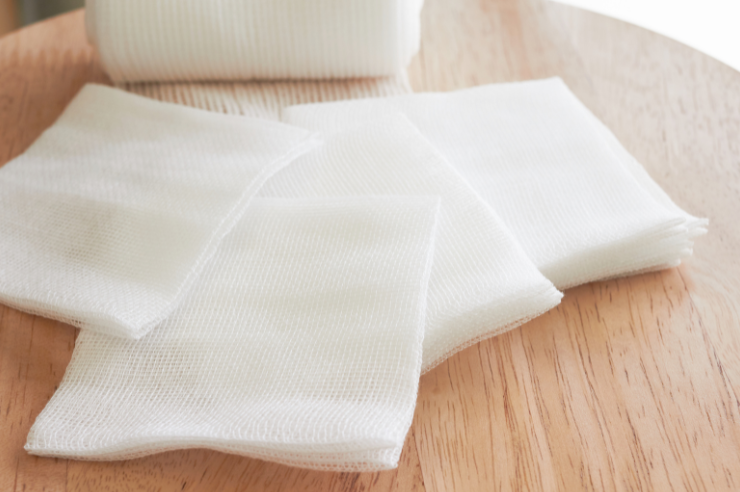
Why Gauze Swabs Are Important in Wound Care
You might think a simple cloth or tissue can do the job, but that’s not safe. Medical gauze swab products are designed for proper wound care. They are soft, absorbent, and safe for your skin.
When you use cotton gauze swabs, you get better control while cleaning the wound. They help remove dirt, absorb blood, and keep the area protected.
The main reasons you should use gauze swabs:
- They help clean wounds gently
- They absorb fluids effectively
- They reduce the risk of contamination
Types of Gauze Swabs You Should Know
Not all gauze swabs 10 x 10cm 8ply are the same. You will find different types depending on your needs.
Non sterile gauze swabs
These are commonly used for general cleaning. They are suitable for surface wounds but should be used carefully.
Sterile gauze swabs
These are best for open wounds where infection risk is higher.
X ray detectable gauze swabs
These are used in medical settings. They contain a marker so they can be seen in X-rays. This helps avoid leaving any material inside the body during procedures.
Surgical swabs gauze
These are mainly used in hospitals during procedures.
If you are using them at home, cotton gauze swab options are usually enough for basic care.
How to Use Gauze Swabs the Right Way
Using gauze swab use correctly is simple, but you should follow a few steps to get the best results.
1. Wash your hands
Before touching the wound, make sure your hands are clean.
2. Clean the wound
Use a fresh gauze swab to gently clean the area. Do not scrub too hard.
3. Apply pressure if needed
If there is bleeding, use the swab to apply light pressure.
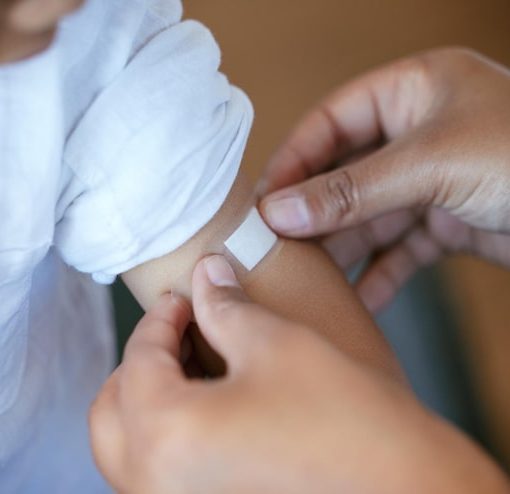
4. Cover the wound
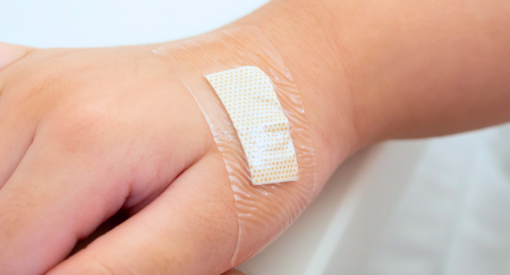
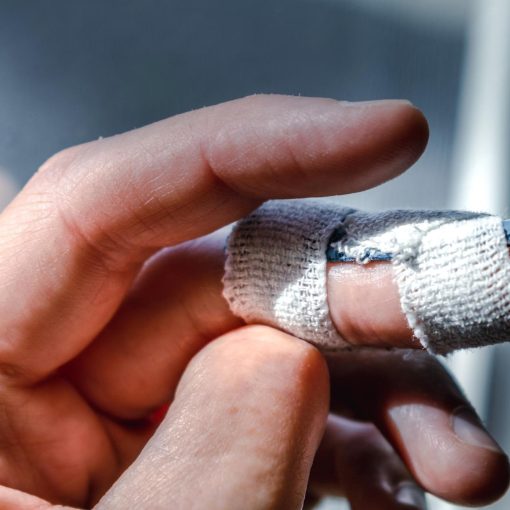
You can place a clean swab over the wound and secure it with tape or a bandage.
5. Change regularly
Replace the swab daily or when it becomes wet or dirty.
When you follow these steps, medical gauze swab products can help your wound heal safely.
What Australian Health Guidance Says
Proper wound care is very important. According to the Australian Government health resources, untreated or poorly managed wounds can lead to infection and delay healing.
They also highlight that keeping wounds clean and covered can lower the chances of complications. This shows why using cotton gauze swabs and proper dressing methods matters even for small injuries.
Common Mistakes You Should Avoid
Even though using gauze swabs is easy, small mistakes can cause problems.
- Using the same swab more than once
- Not cleaning the wound properly
- Applying too much pressure
- Leaving the wound uncovered
If you avoid these mistakes, you can improve healing and reduce discomfort.
When Should You Use Non Sterile Gauze Swabs?
You can use non sterile gauze swabs for:
- Cleaning intact skin
- Absorbing minor fluid
- General first aid support
However, for open wounds, it is better to use sterile options. This reduces the risk of infection.
Why Quality Gauze Swabs Matter
You might not notice the difference at first, but quality matters a lot. Good cotton gauze swabs are soft, do not leave fibres, and absorb well.
Trusted suppliers like Livingstone International offer reliable products that meet healthcare standards. When you use better quality materials, you give your wound the care it needs.
How Gauze Swabs Support Healing
Healing is a natural process, but you can support it with the right care. Gauze swabs 10 x 10cm 8ply help by:
- Keeping the wound clean
- Absorbing excess moisture
- Protecting from external dirt
This creates a better environment for healing.
When to Seek Medical Help
Sometimes, a simple gauze swab is not enough. You should see a doctor if:
- The wound is deep
- Bleeding does not stop
- You notice swelling or redness
- There is pus or unusual pain
In such cases, professional care is important.
Final Thoughts
Taking care of wounds does not have to be complicated. When you use gauze swabs the right way, you make healing easier and safer.
Simple steps like cleaning, covering, and changing dressings can go a long way. Choosing trusted products from Livingstone International also helps you feel confident in your care routine.
FAQs
1. What are gauze swabs mainly used for?
Gauze swabs are used for cleaning wounds, absorbing blood, and protecting injured areas. They are a basic but essential part of first aid and medical care.
2. Can you use non sterile gauze swabs on open wounds?
Non sterile gauze swabs are not ideal for open wounds. It is better to use sterile options to reduce the risk of infection and ensure safer healing.
3. How often should you change a gauze swab?
You should change cotton gauze swabs at least once a day or whenever they become wet, dirty, or soaked with blood.
4. What size gauze swabs should you use?
The size depends on the wound. Gauze swabs 10 x 10cm 8ply are commonly used because they provide good coverage and absorption for most minor injuries.
5. What are x ray detectable gauze swabs used for?
X ray detectable gauze swabs are used in medical settings. They help doctors track the swabs during procedures to ensure none are left inside the body.
6. Are cotton gauze swabs better than other materials?
Cotton gauze swabs are soft, absorbent, and gentle on the skin. They are widely used because they provide effective and safe wound care.