Your hands touch so many things every single day. From surfaces at work to tools at home, you never really know what is sitting on them. That is why using nitrile gloves has become so common now. Whether you work in healthcare, cleaning, food handling, or even DIY tasks, you want something that keeps your hands safe.
Many professionals trust brands like Livingstone International for quality and safety. When you use the right gloves, you feel more confident. You know your hands are protected.
But how do these gloves actually work? How do they protect you from chemicals and germs? Let’s break it down in a simple way.
What Are Nitrile Gloves?
Before we go deeper, let’s understand what these gloves are.
Nitrile examination gloves are made from a type of synthetic rubber. They are strong, flexible, and safe for most people. Unlike latex, they do not cause allergies for many users.
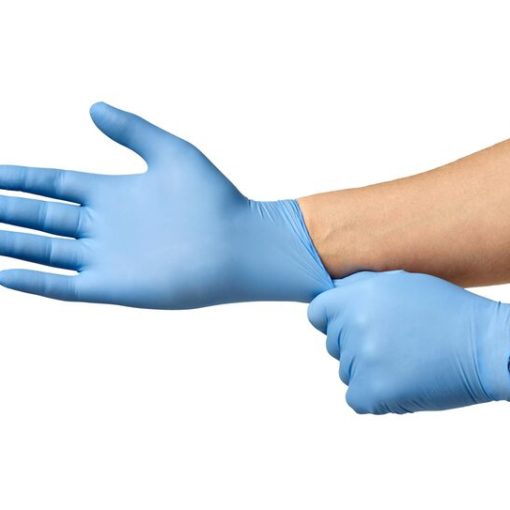
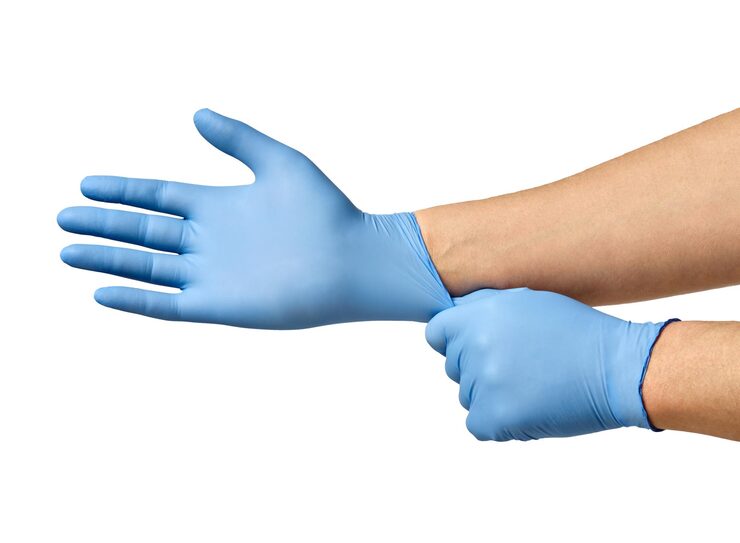
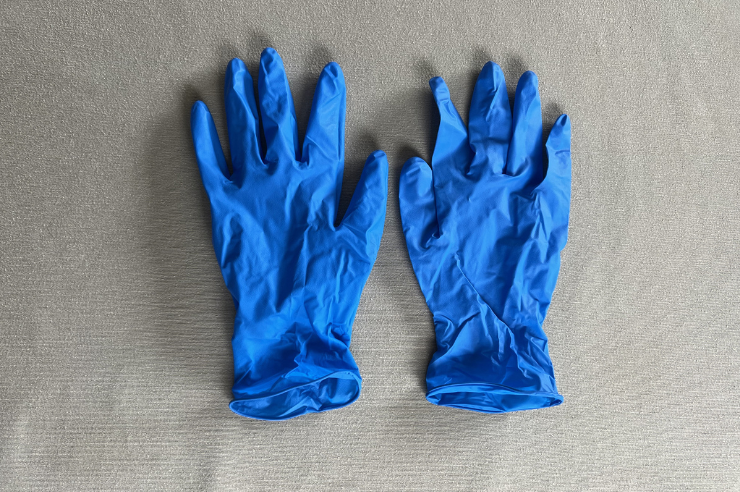
You may have seen blue nitrile gloves in clinics or workplaces. They are popular because they are durable and easy to use.
How Do Nitrile Gloves Block Germs?
Germs are everywhere. You cannot see them, but they can easily spread through touch.
So how do gloves help?
1. They Create a Protective Barrier
When you wear disposable nitrile examination gloves, they form a layer between your skin and the outside world.
This means:
- Germs cannot directly touch your skin
- You avoid picking up bacteria and viruses
It is like a shield for your hands.
2. They Reduce Cross-Contamination
Think about this. You touch one surface, then another. Germs can spread quickly.
With gloves:
- You can remove them after one task
- You stop germs from spreading to other areas
This is why nitrile medical grade examination gloves are widely used in hospitals.
3. They Fit Well and Stay Secure
Loose gloves can be a problem. They may slip or tear.
Good quality ni tek nitrile examination gloves fit well. They stay in place and allow you to move your fingers easily. This helps you work safely without mistakes.
How Do Nitrile Gloves Protect Against Chemicals?
Now let’s talk about chemicals. These can be even more harmful than germs.
1. Strong Material That Resists Chemicals
Nitrile is known for its strength. It does not break down easily when it comes in contact with many chemicals.
That means:
- Less risk of leaks
- Better protection for your skin
This is why many people choose heavy duty nitrile gloves for cleaning or industrial work.
2. Better Than Latex in Many Cases
Latex gloves can break down with certain chemicals. But nitrile is more resistant.
So if you are working with:
- Cleaning products
- Oils
- Solvents
Nitrile gloves for sale are often the safer choice.
3. No Powder, Less Risk
Many gloves come powder-free. This is important.
Powder can:
- Carry chemicals
- Cause skin irritation
Most nitrile gloves today are powder-free, making them safer and cleaner to use.
Why Do People Prefer Nitrile Gloves?
You might be wondering, why not use other gloves?
Here are a few simple reasons:
- They are strong and do not tear easily
- They are comfortable for long use
- They are safe for people with latex allergies
- They work well in many different tasks
From healthcare to home cleaning, they are a reliable option.
Common Situations Where You Should Use Them
You do not need to work in a hospital to use gloves.
You can use nitrile examination gloves in daily life too:
- While cleaning your home
- When handling chemicals
- During food preparation
- While caring for someone who is sick
- For first aid or minor injuries
They are simple but very useful.
Tips to Use Nitrile Gloves the Right Way
Using gloves is easy, but doing it the right way matters.
Choose the Right Size
If the glove is too tight, it may tear. If it is too loose, it may slip.
Do Not Reuse Disposable Gloves
Disposable nitrile examination gloves are made for one-time use. Always replace them after use.
Remove Them Carefully
Do not touch the outer surface while removing. This helps avoid contact with germs.
Wash Hands After Use
Gloves help, but washing your hands is still important.
Are Nitrile Gloves 100% Protective?
Let’s be honest here.
No glove can give 100% protection all the time.
But when you use high-quality nitrile medical grade examination gloves, you reduce the risk a lot. They act as a strong barrier and help you stay safe in most situations.
Small Habits Make a Big Difference
You do not need to change everything in your routine.
Just start with small steps:
- Use gloves when needed
- Choose good quality products
- Follow safe practices
These small habits can protect you from bigger problems.
Conclusion
Your hands do a lot for you every day. Taking care of them should be simple. Using nitrile gloves is one of the easiest ways to protect yourself from chemicals and germs.
When you choose trusted products from Livingstone International, you know you are getting quality and safety. Our gloves are made for comfort, strength, and everyday use.
So next time you reach for gloves, choose wisely. It is a small step, but it makes a big difference in keeping you safe.
FAQs
1. Are nitrile gloves safe for sensitive skin?
Yes, nitrile gloves are generally safe for sensitive skin. They do not contain latex, which reduces the risk of allergic reactions and makes them suitable for most users.
2. Can nitrile gloves protect against all chemicals?
Nitrile gloves protect against many chemicals, but not all. It depends on the type of chemical and exposure time. Always check compatibility before use for better safety.
3. Are disposable nitrile examination gloves reusable?
No, disposable gloves are designed for single use only. Reusing them can increase the risk of contamination and reduce their effectiveness in protecting your hands.
4. Why are blue nitrile gloves commonly used?
Blue gloves are easy to spot, which helps in hygiene control. They are widely used in medical and food settings to quickly identify any contamination or damage.
5. How do you remove nitrile gloves safely?
You should peel them off from the inside out without touching the outer surface. This helps prevent germs or chemicals from coming into contact with your skin.
6. Do you still need to wash hands after using gloves?
Yes, you should always wash your hands after removing gloves. This ensures any remaining germs or residue are removed and keeps your hands clean and safe.