What Is Transparent Surgical Tape, and How Does It Differ from Other Medical Tapes?
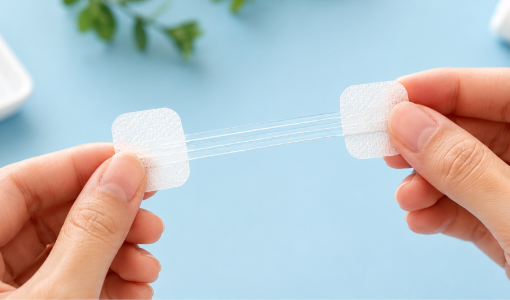
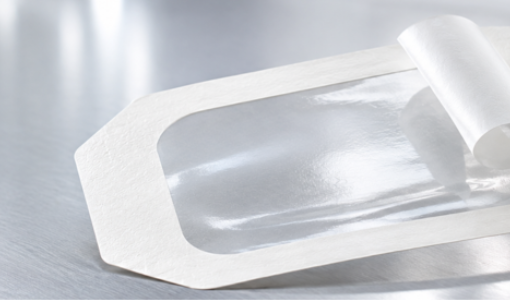
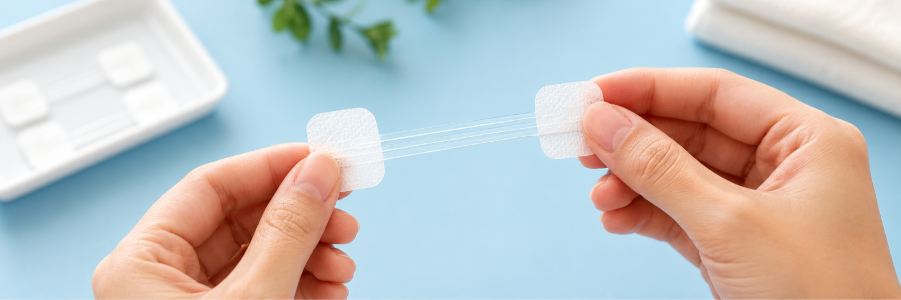
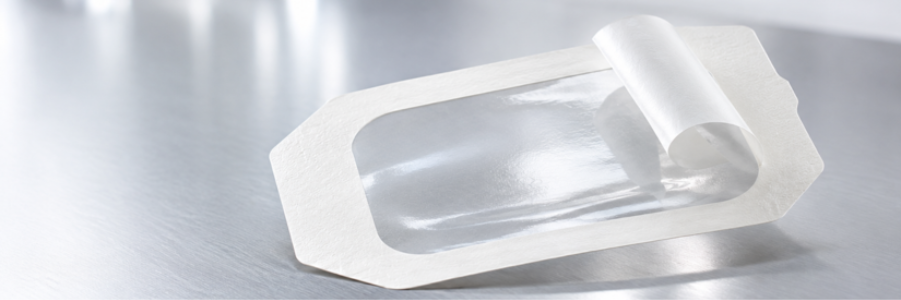
A Transparent Porous Surgical Tape is made from a thin, flexible polyethylene or polyester film backing coated with a pressure-sensitive, hypoallergenic adhesive. Unlike cloth, paper (micropore), or foam tapes, the clear plastic film offers unique advantages that make it the preferred choice for many clinical applications.
The key differentiators are visibility, porosity, and conformability. Transparent tape allows clinicians to monitor a wound, IV site, or dressing without lifting or replacing the tape, reducing both infection risk and patient discomfort. Porous construction allows moisture vapour to escape from the skin surface, preventing maceration and the skin breakdown that occurs when moisture is trapped beneath an occlusive dressing.
Why Does Porosity Matter in Surgical Tape?
The skin continuously releases moisture through transepidermal water loss. If a non-porous tape is applied over a large area or for an extended period, this moisture accumulates beneath the adhesive, softening the skin, weakening adhesion, and creating an environment conducive to bacterial growth. Porous surgical tape avoids this by allowing the skin to breathe, maintaining the integrity of both the skin and the adhesive bond throughout the wear period.
For patients with compromised skin integrity, including the elderly, those with chronic conditions, or post-operative patients, this breathability is not a convenience feature; it is a clinical necessity. The Liv-Clear’s porous construction directly supports skin health during extended application.
Where Is Transparent Porous Surgical Tape Used in Clinical Practice?
Transparent surgical tape, porous and easy tear is one of the most versatile consumables in a clinical setting. Its applications span emergency departments, surgical wards, oncology units, community nursing, aged care facilities, and general practice clinics.
IV Cannula and Tubing Securement
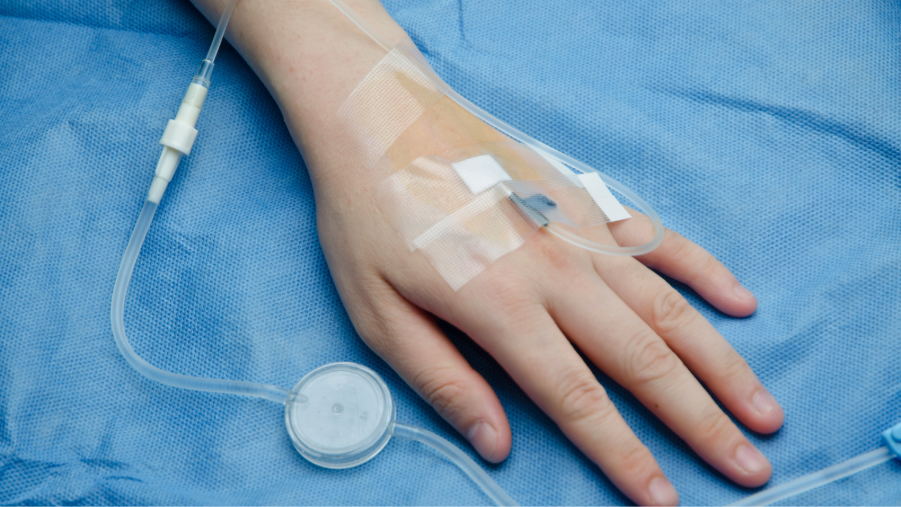
One of the most critical uses of transparent surgical tape is securing peripheral IV cannulas and associated tubing. An insecure cannula can lead to accidental dislodgement, phlebitis, infiltration (where IV fluid leaks into surrounding tissue), and bloodstream infection. The transparency of the tape allows nurses to continuously observe the insertion site for early signs of redness, swelling, or fluid leakage without disturbing the dressing, aligning with World Health Organisation guidelines on infection prevention at insertion sites.
The Infusion Nurses Society recommends that IV site securement prioritise stability and visibility. Transparent porous surgical tape addresses both requirements simultaneously.
Wound Dressing Fixation and Post-Surgical Care
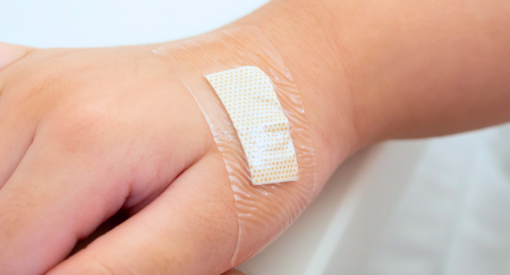
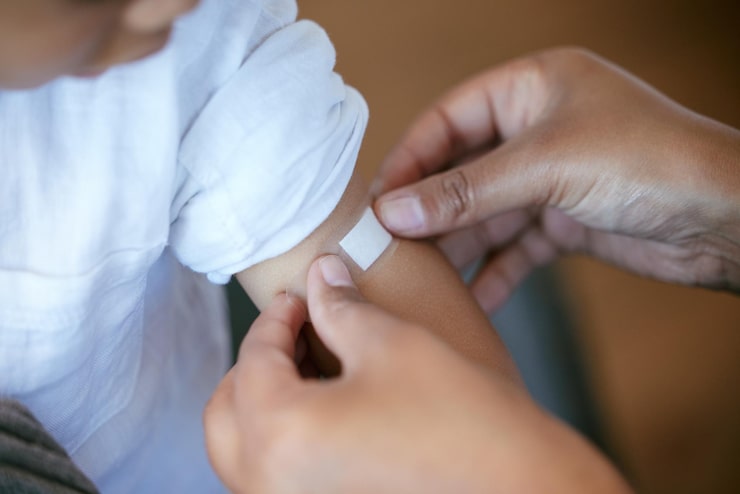
Following surgery or wound closure, dressings must remain secure while allowing the care team to assess healing progress. Transparent tape enables visual monitoring of a wound through or alongside the dressing material without removal, reducing the frequency of dressing changes and the associated risk of disrupting fragile new tissue. This is particularly valuable in post-operative and oncology settings where wound integrity and infection control are paramount.
Securing Medical Devices, Tubing, and Catheters
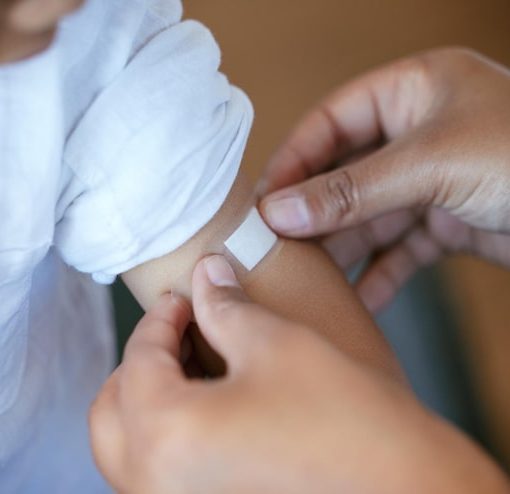
Nasogastric tubes, urinary catheters, oxygen cannulas, and monitoring leads all require reliable fixation to the skin during patient care. Transparent surgical tape conforms to body contours and maintains adhesion through patient movement, reducing the risk of accidental displacement while remaining gentle enough for repeated application to sensitive skin areas.
Why Does Easy Tear Make a Real Difference at the Bedside?
In a busy clinical environment, efficiency and infection control go hand in hand. Easy-tear surgical tape can be torn cleanly to size without scissors, which matters for two reasons: speed and sterility. When a clinician is wearing gloves during an IV insertion or wound procedure, fumbling for scissors introduces unnecessary delay and increases the risk of contaminating a sterile field. The Liv-Clear’s easy-tear construction allows for precise, clean strips to be prepared single-handedly in seconds.
Skin Compatibility: Who Benefits Most from a Hypoallergenic Transparent Tape?
Not all patients tolerate adhesive well. Skin sensitivity to medical adhesives is a common clinical challenge, particularly among elderly patients whose skin is thinner and more fragile, patients undergoing chemotherapy whose skin integrity is compromised, neonates and paediatric patients with delicate skin, and individuals with a history of adhesive-related contact dermatitis.
A hypoallergenic, latex-free transparent surgical tape minimises sensitisation risk while maintaining reliable adhesion. The porous design further reduces the likelihood of moisture-related skin breakdown, making it appropriate for patients who require extended tape application.
Why Healthcare Facilities and Procurement Teams Should Standardise on Quality Transparent Surgical Tape
For procurement managers and clinical supply coordinators, surgical tape can appear to be a low-priority line item. In reality, tape quality directly affects clinical outcomes, staff efficiency, and consumable costs over time. Low-quality tape that loses adhesion prematurely, irritates skin, or requires scissors to cut adds hidden cost through increased dressing changes, extended nursing time, and avoidable patient discomfort.
This Livingstone Liv-Clear Transparent Porous Surgical Tape is supplied in boxes of 24 rolls, making it practical for facility-level stock management. At 12mm x 9.1m per roll, the dimensions suit the most common clinical fixation tasks without unnecessary waste.
How Do You Choose the Right Surgical Tape for Your Clinical Setting?
Selecting the appropriate tape requires consideration of several factors:
- Patient skin condition: Fragile, sensitive, or at-risk skin requires a porous, hypoallergenic tape with gentle adhesion and easy removal.
- Duration of application: For tapes worn over extended periods, porosity is essential to prevent maceration and skin breakdown.
- Clinical task: IV fixation, wound dressing, and device securement each have different tension and conformability requirements.
- Clinical environment: Operating theatre, ICU, community nursing, and aged care settings each present different challenges around patient movement, moisture, and dressing change frequency.
- Gloved use: Where tape is applied with gloves, an easy-tear format is not optional; it is a practical necessity.
For a broader selection of wound care tapes, dressings, and fixation products, explore the Livingstone wound care and tape management range.
Small Tool, Significant Impact
Transparent surgical tape rarely makes headlines, but the gap it fills in clinical care is substantial. It enables continuous wound monitoring without dressing disruption. It secures IV lines against the movement of a restless patient. It allows a nurse to act quickly and cleanly during a procedure, without reaching for scissors. And when it is porous, it protects the very skin it adheres to.
The Livingstone Liv-Clear Surgical Tape Transparent brings together transparency, porosity, hypoallergenic adhesion, and easy-tear functionality in a single, competitively priced product. For healthcare facilities looking to standardise on a reliable clinical tape, and for procurement teams seeking a product that balances cost, performance, and patient safety, Liv-Clear is a well-considered choice.
References
Day, H 1845, cited in MPI Matco 2025, A Brief History of Adhesive Tapes, MPI Matco, viewed 20 July 2026
Infusion Nurses Society 2021, Infusion Therapy Standards of Practice, Journal of Infusion Nursing, vol. 44, no. S1, cited in WellyHub 2025, What Tape Is Used to Fix a Cannula? A Guide for Safe IV Care, viewed 20 July 2026.
MediTapes 2026, Why Transparent Surgical PE Tape is Critical for IV Cannula Fixation, MediTapes, viewed 20 July 2026
Suzhou Sunmed Co. 2024, What Are the Key Benefits of Using Transparent Medical Tape in Wound Care?, Suzhou Sunmed, viewed 20 July 2026.
Medshop Australia 2023, Micropore Tape vs Transpore: Adhesive Medical Solutions, Medshop, viewed 20 July 2026.
AVATAR Group 2024, Ten Tips for Dressing and Securement of IV Device Wounds, AVATAR Group, viewed 20 July 2026.