

Culture tubes and test tubes can appear similar, and the terms may sometimes overlap depending on the supplier, laboratory and application. The key difference is not always the physical appearance of the tube, but the intended use, required specifications and the type of work being performed. Culture tubes are commonly associated with microbiological applications, including […]
Yearly Archives: 2026
743 posts

Lash tinting offers a way to make natural lashes appear darker and more defined without relying on daily mascara. For clients who prefer a lower-maintenance beauty routine, the treatment can enhance lighter or less visible lashes while keeping the overall result soft and understated. Achieving natural-looking definition depends on appropriate shade selection, […]
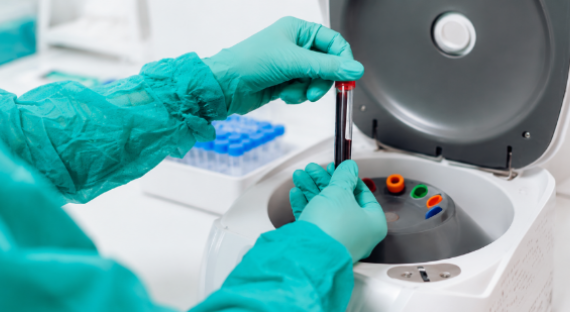
A centrifuge separates components within a liquid sample by applying relative centrifugal force (RCF), while the centrifuge tube contains the sample and must remain compatible with the rotor, force and sample type. The two therefore work as a matched system rather than as separate pieces of equipment. In pathology, research and school science settings, reliable separation depends on choosing a […]
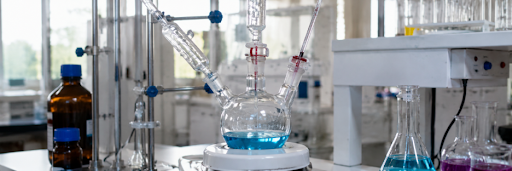
Choosing the right round bottom flask affects how safely and efficiently a reaction, distillation or reflux procedure runs. Laboratories across Australia, from teaching facilities to pharmaceutical and pathology settings, rely on borosilicate glass flasks daily, yet the number of necks a flask has is often overlooked until a setup fails mid-experiment. This […]
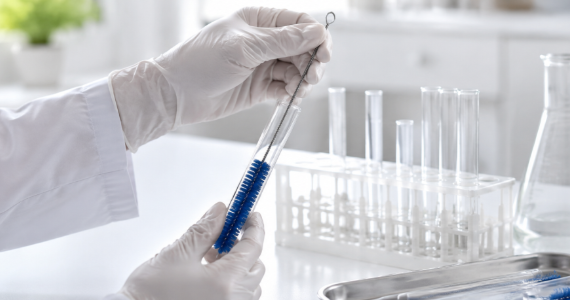
There is a special kind of dread that comes from picking up a test tube, holding it up to the light and spotting a faint, mysterious film clinging to the inside. Was that from last week’s titration, or something older that nobody wants to think too hard about? Dirty glassware […]
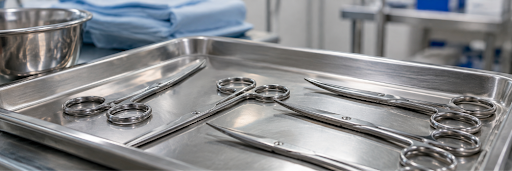
Surgical scissors vary in blade tip, curvature, length and intended use, so selecting an appropriate instrument depends on the procedure and the level of control required. These design differences can affect how an instrument is handled and used during clinical procedures. Livingstone offers curved sharp/blunt surgical scissors alongside a broader […]
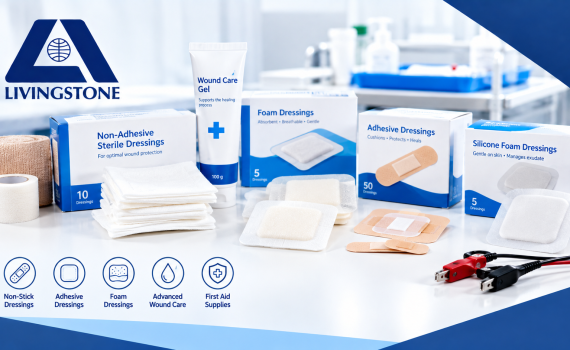
Choosing a wound dressing is not simply about covering an injury. The dressing needs to suit what is happening underneath it. A dry wound may need a different option from one producing more fluid. A wound with delicate surrounding skin may also need a dressing that can be removed gently. […]

A smooth shave often comes down to one simple thing: using the right razor for the job. When you need a quick and clean shave, disposable razors can be a practical choice. They are easy to use, simple to replace and useful in many personal care settings. For homes, salons, […]

Setting up a pulley with hook for physics experiments involves securing the pulley to a stable support, threading a rope through the wheel, attaching a load and measuring how force changes as the system moves. This simple arrangement allows students to investigate force direction, mechanical advantage and the relationship between […]

A workplace can become unsafe in seconds when people do not know about a hazard. A wet floor, restricted area, emergency exit or dangerous piece of equipment needs to be clearly identified. The right safety sign can give workers and visitors an important warning before an incident occurs. For businesses, […]

Choosing the correct filter paper size is important for achieving an effective filtration setup. The filter paper should fit the funnel appropriately, allowing the liquid sample to pass through while keeping the solid material contained within the filter. Selecting a suitable diameter helps ensure the filter sits correctly against the funnel surface and […]
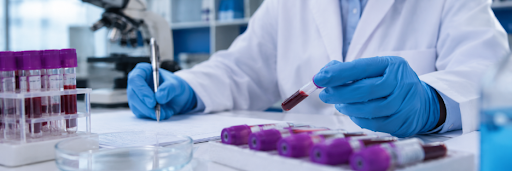
K2 EDTA and K3 EDTA tubes are both designed to preserve whole blood samples for haematology testing by preventing clotting. However, they differ in their chemical formulation, physical properties and recommended applications. Understanding these differences helps healthcare professionals and laboratories choose the most appropriate blood collection tube for accurate diagnostic results. Choosing the appropriate blood collection tube is an important step in maintaining specimen […]
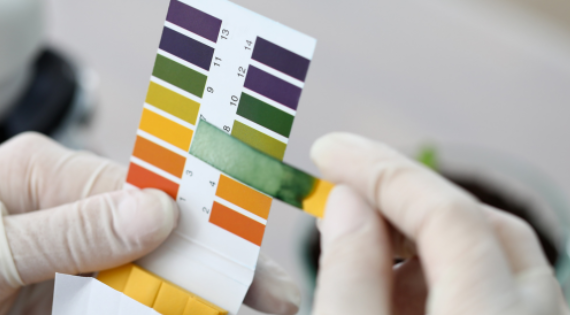
Red and blue litmus paper are pH indicators used to test whether a substance is acidic or alkaline: red turns blue in the presence of a base, blue turns red in the presence of an acid. Both remain everyday tools in Australian classrooms, pathology settings, and quality control labs, with red litmus paper used to confirm alkalinity and blue […]

Skin analysis can help beauty professionals observe visible skin characteristics before planning a cosmetic treatment or discussing an appropriate skin-care routine. Two tools commonly used to support this process are the Wood lamp and magnifying examination lamp. Although both improve visual assessment, they work differently: a Wood lamp uses ultraviolet light to highlight fluorescence and changes in […]

A filter funnel and a separating funnel might look similar sitting on a laboratory shelf, but they are built for entirely different jobs. One is designed to separate solids from liquids using filter paper, while the other separates two liquids of different densities using a stopcock. Choosing the wrong one can compromise results, waste reagents, and slow down […]

Laboratory chemicals in Australia are essential for diagnostic testing, pharmaceutical compounding, scientific research, education and quality control. Australian laboratories, including hospitals, pathology facilities, universities and industrial testing centres, rely on laboratory-grade chemicals and reagents to achieve accurate results, maintain safety standards and meet quality requirements. The Livingstone Laboratory Chemicals range and Livingstone Non-Hazardous Laboratory Chemicals range support Australian healthcare, education and research environments by […]
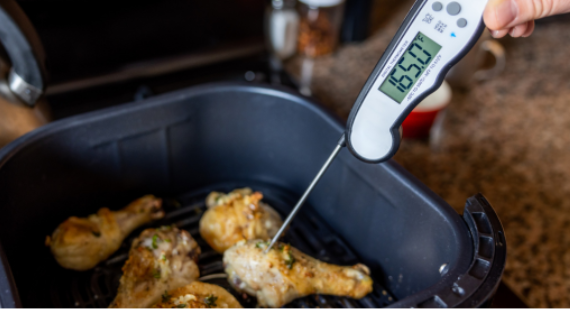
A food thermometer is the only reliable way to confirm that meat, poultry and reheated meals have reached a safe internal temperature, since colour and juices cannot be trusted on their own. Getting an accurate reading depends on using the right tool, a probe thermometer for spot checks across a wide temperature range, or a fold-out digital […]
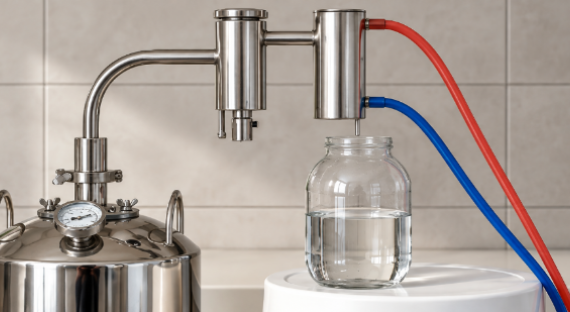
A laboratory water distiller, such as a stainless steel water distiller, turns tap water into distilled water by boiling it and condensing the steam, leaving dissolved minerals behind. The result is only as reliable as the unit’s upkeep. A scaled boiling chamber and an exhausted charcoal filter designed for dental distillers are two […]
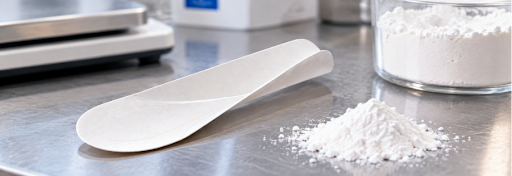
Disposable paper sampling spoons provide a practical single-use option for retrieving and transferring small quantities of compatible materials during laboratory sampling and sample preparation. Livingstone’s disposable paper sampling spoons folds from a flat paperboard format into a functional spoon for collecting samples and can also be used as a small […]
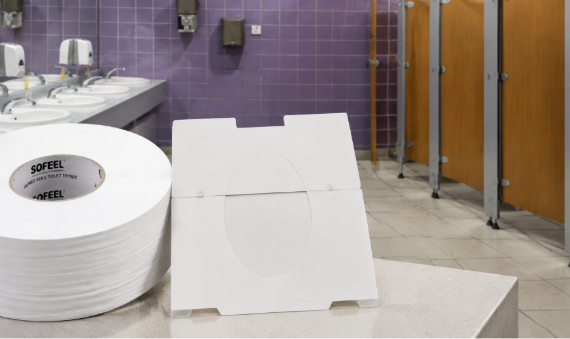
Maintaining clean and functional workplace washrooms requires access to essential workplace toilet supplies that support everyday hygiene routines. Products such as Jumbo Tissue Rolls and toilet seat covers are commonly used within commercial washrooms to support user comfort and maintain accessible facilities. Workplace washrooms are shared environments where employees, contractors and visitors rely on essential amenities throughout the […]
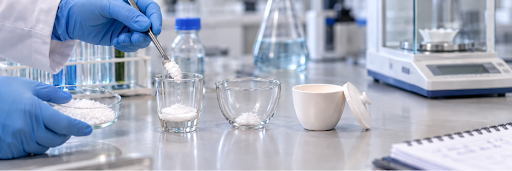
Selecting a crucible suited to the analytical method being used can help support accurate gravimetric results, reduce the risk of equipment damage from thermal or chemical incompatibility, and contribute to safer handling in the laboratory. With sintered glass Gooch crucibles, quartz crucibles, porcelain crucibles and platinum crucibles all serving different analytical purposes, it is […]

Selecting the right dissecting forceps is essential for achieving precision, efficiency and atraumatic tissue handling during surgical and clinical procedures. While straight and curved Potts-Smith dissecting forceps are designed for similar purposes, their tip configuration makes each better suited to specific applications. Understanding when to use each instrument helps surgeons, nurses, veterinarians, […]
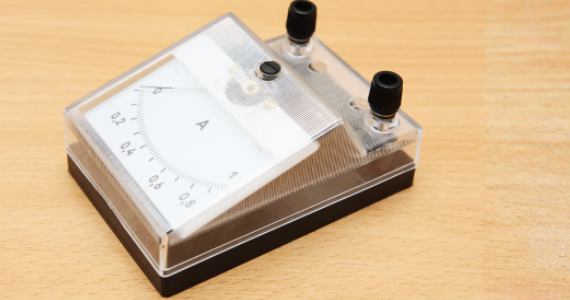
Ammeters and voltmeters are two of the most commonly used instruments in science education and electrical testing, yet they are frequently confused. Both help explain how a circuit behaves, but they measure different quantities and must be connected differently to give an accurate reading. Livingstone’s ammeters are designed to measure electric current, while its voltmeters measure electric potential difference. Knowing […]
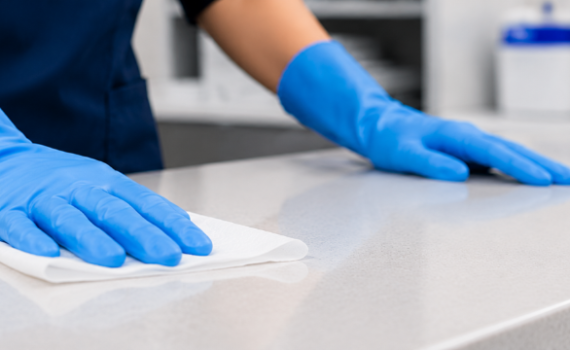
Effective cleaning depends as much on the right tools as it does on technique. Livingstone’s Household Flocklined Rubber Gloves protect hands from harsh chemicals and prolonged moisture exposure, while their detergent wipes offer a TGA listed option for wiping down surfaces quickly and effectively. Together, they form a practical, everyday cleaning combination suited to homes, clinics and commercial settings. Not all gloves […]