Cuts and wounds can happen anytime, while cooking, working, or even just walking around. When that happens, you want something simple that protects your skin and helps it heal. That’s where an island dressing comes in. It’s easy to use, gentle on your skin, and gives your wound the care it needs.
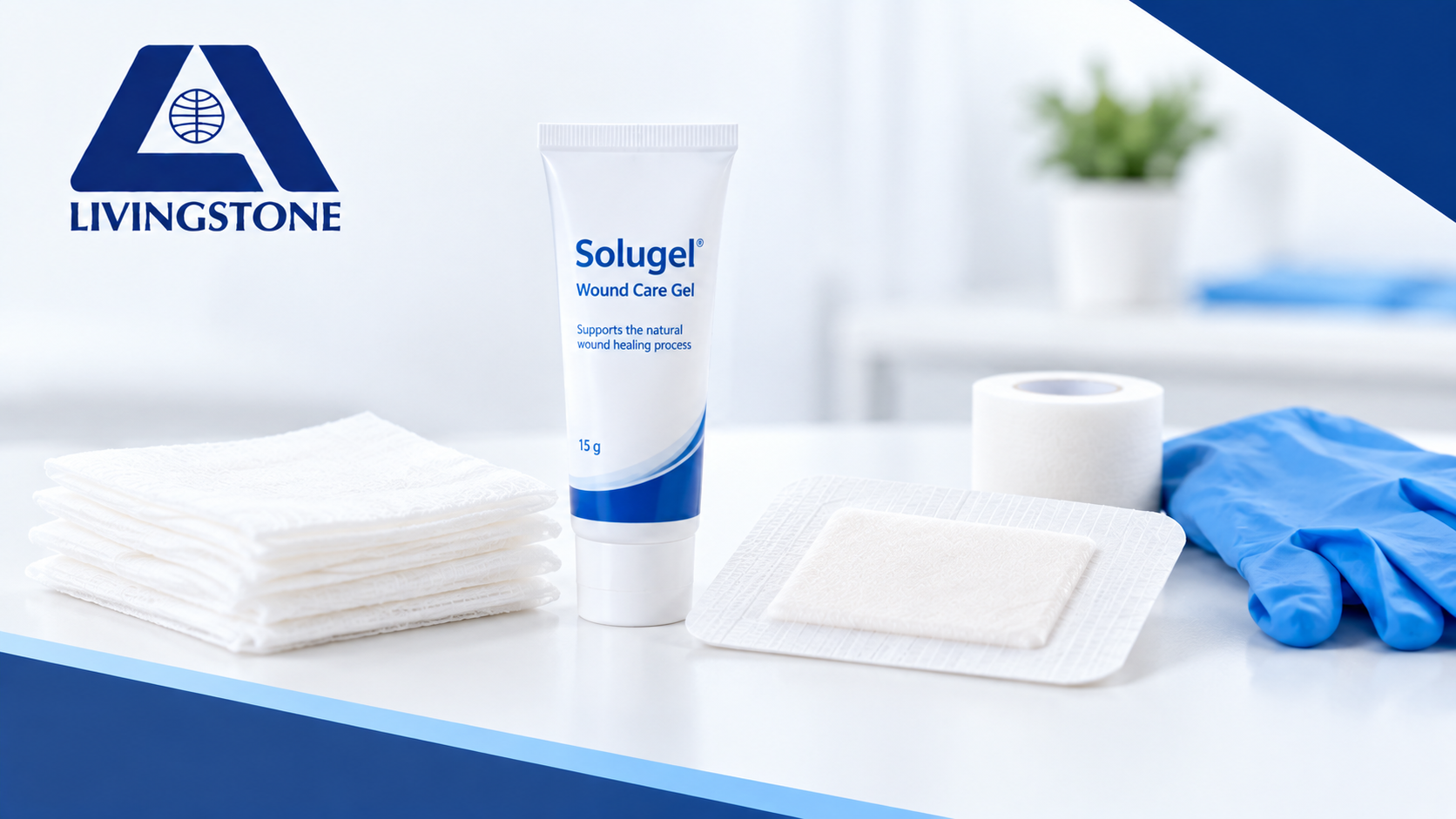
If you are looking for trusted medical supplies, Livingstone International offers quality products that are safe, reliable, and easy to use in daily care. Our dressings are designed to make wound care simple for you, whether at home or in a medical setting.
So, when should you actually use an island dressing? Let’s break it down in a simple way.
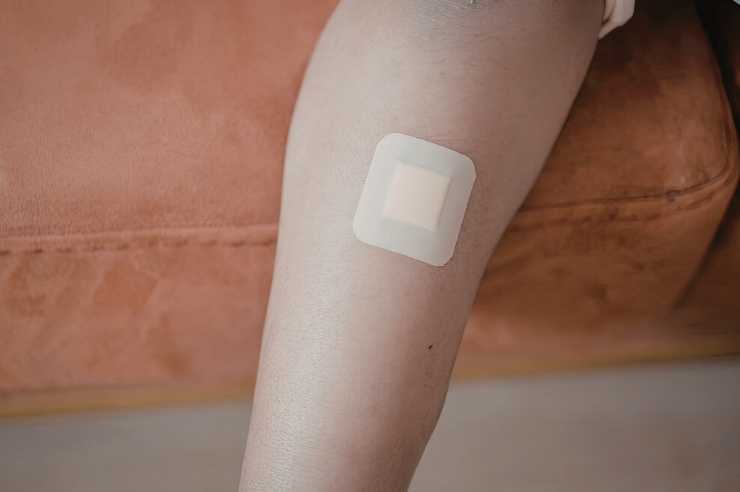
What Is an Island Dressing?
An island dressing is a soft pad placed in the center with adhesive edges around it. The middle part covers your wound, while the sticky sides hold it in place.
You may also hear names like:
- adhesive island dressing
- non woven island dressing
- island wound dressing
- island adhesive dressing
All of these mean the same basic thing, a dressing that protects your wound without sticking to it.
When Should You Use an Island Dressing?
Let’s talk about real situations where you can use it.
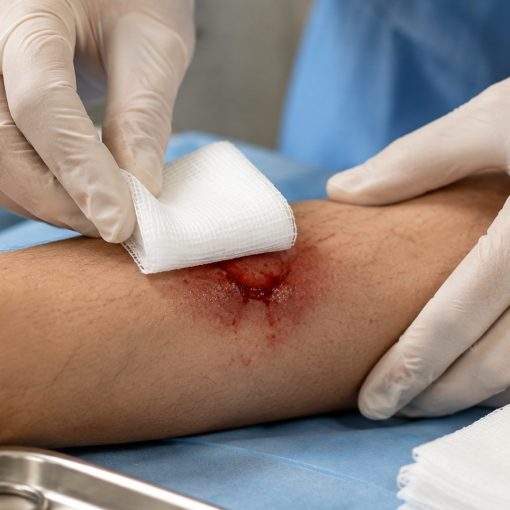
1. For Small Cuts and Minor Wounds
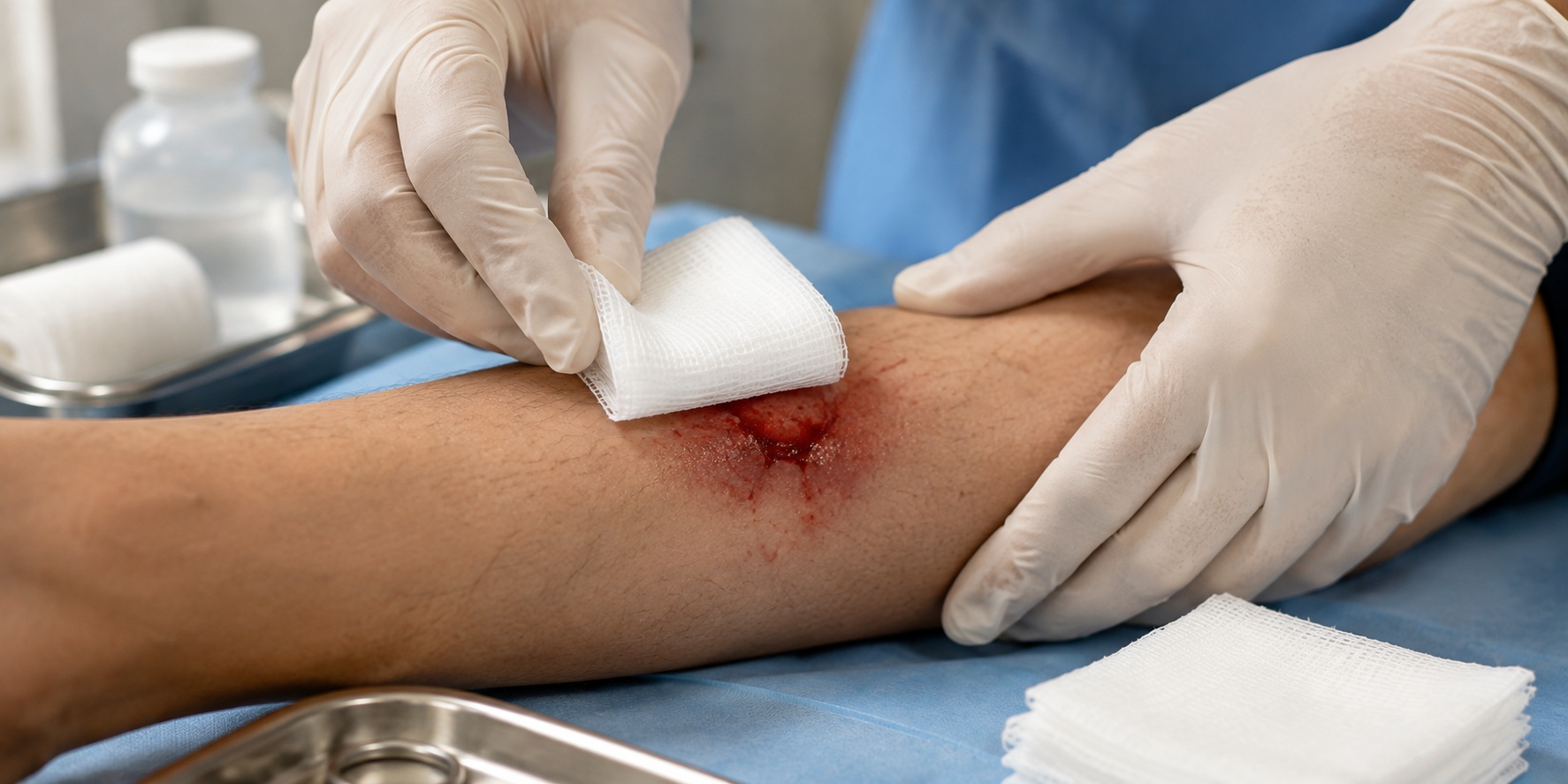
If you get a small cut while working or cooking, you need quick protection. An adhesive island wound dressing is perfect here.
It:
- Covers the wound
- Keeps dirt away
- Helps your skin heal faster
You don’t need anything complicated. Just clean the area and place the dressing.
2. After Minor Surgery or Stitches
Did you recently have a small medical procedure? Maybe stitches?
Doctors often suggest an island dressing because:
- It is sterile
- It does not stick to the wound
- It protects sensitive skin
You can change it easily without pain. That’s a big relief, right?
3. When the Wound Needs Gentle Care
Some wounds are sensitive. If you use rough material, it may hurt when you remove it.
A non woven island dressing solves this problem.
It:
- Feels soft on your skin
- Does not pull on the wound
- Reduces pain during removal
This is helpful if your skin is already irritated.
4. For Wounds That Leak Slightly
Sometimes, wounds release a small amount of fluid. That’s normal.
An island adhesive dressing can absorb this fluid and keep your wound dry.
Why is that important?
Because a clean and dry wound heals better.
5. For Wounds on Moving Body Parts
Have you ever placed a bandage on your elbow or knee and it came off quickly?
That’s annoying.
An adhesive island dressing stays in place even when you move. So you can:
- Walk comfortably
- Bend your arm
- Do daily tasks
Without worrying about the dressing falling off.
6. When You Need a Clean and Simple Dressing
Sometimes, you just want something easy.
No cutting. No extra tape.
An island wound dressing is ready to use. Just peel and stick. That’s it.
Benefits of Using an Island Dressing
Now you may be thinking, why not just use a regular bandage?
Here’s why an island dressing is better in many cases:
- Easy to Use
You don’t need medical training. You can apply it yourself in seconds.
- Comfortable
It feels light on your skin. You can wear it all day without discomfort.
- Non-Stick Pad
The center does not stick to your wound. So removal is painless.
- Good Protection
It keeps out dirt and bacteria.
- Absorbent
It handles light fluid from wounds.
How to Use an Island Dressing Properly
Using it the right way makes a big difference.
Step 1: Clean the Wound
Wash the area gently with water. Pat it dry.
Step 2: Open the Dressing
Make sure your hands are clean before touching it.
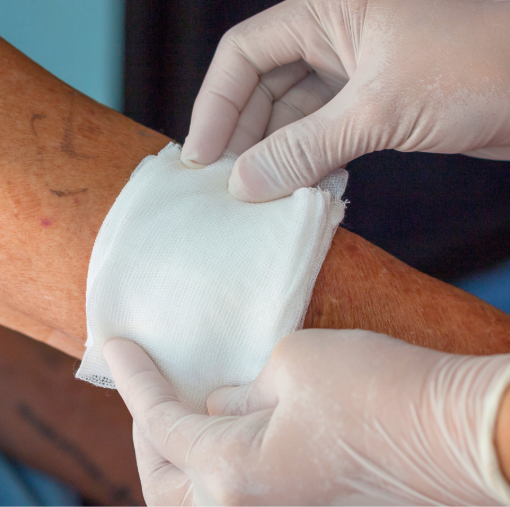
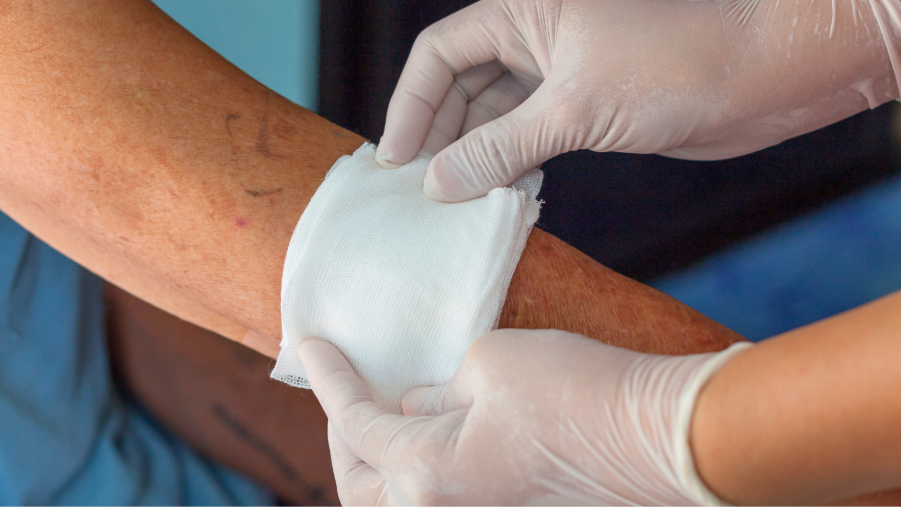
Step 3: Place It on the Wound
Put the soft pad directly over the wound.
Step 4: Press the Edges
Stick the adhesive sides to your skin.
Step 5: Change When Needed
Replace it daily or when it gets wet or dirty.
Simple, right?
When Should You NOT Use It?
An island dressing is helpful, but not for every situation.
Avoid using it if:
- The wound is very deep
- There is heavy bleeding
- You see signs of infection (like pus or strong pain)
In these cases, you should see a doctor.
Tips for Better Wound Care
Here are a few simple tips you can follow:
- Always wash your hands before touching the wound
- Keep the area clean and dry
- Do not reuse a dressing
- Change it regularly
- Watch for redness or swelling
These small steps can help you heal faster.
Why Quality Matters
Not all dressings are the same. A good dressing can make healing easier and safer.
That’s why many people trust Livingstone International. Their products are:
- Sterile
- Skin-friendly
- Easy to use
If you want something reliable, their range of island dressing options is worth checking.
Conclusion
Taking care of a wound does not have to be complicated. With the right product, you can keep things simple and safe.
An island dressing is a great choice when you need comfort, protection, and ease of use. Whether it’s a small cut, a stitched wound, or a sensitive area, it gives you the care you need without stress.
If you are looking for dependable wound care solutions, Livingstone International offers high-quality products that you can trust. The dressings are designed to support your healing journey in the easiest way possible.
FAQs
1. What is an island dressing used for?
An island dressing is used to cover small wounds, cuts, or stitches. It protects the area, keeps it clean, and helps your skin heal without sticking to the wound.
2. Can you use an island dressing on sensitive skin?
Yes, you can use it on sensitive skin. A non woven island dressing is soft and gentle, so it does not irritate or pull your skin.
3. How often should you change an island dressing?
You should change it once a day or when it becomes wet or dirty. Keeping the wound clean helps it heal faster and prevents infection.
4. Is an adhesive island dressing waterproof?
Most adhesive island dressings are water-resistant but not fully waterproof. You should avoid soaking them in water to keep the wound protected.
5. Can island dressing be used after surgery?
Yes, it is often used after minor surgery or stitches. It protects the wound and allows easy removal without causing pain or damage.
6. What makes island dressing different from regular bandages?
An island dressing has a soft center pad and adhesive edges. It does not stick to the wound and offers better comfort and protection than regular bandages.