A small cut, a quick clean-up, or even your daily skincare routine – you often reach for something soft and absorbent. But then you pause for a second. Should you use gauze swabs or cotton pads? They may look similar at first, but they are not the same.
If you care about hygiene and proper care, knowing the difference really matters. Many professionals trust brands like Livingstone International because we focus on quality and safety in products like medical gauze swab options. And honestly, when it comes to wounds or skin, you don’t want to guess. You want to use the right thing.
If you are curious and want a simple answer without confusing words, you’re in the right place. Let’s break it down in an easy way.
What Are Gauze Swabs?
Let’s start with the basics.
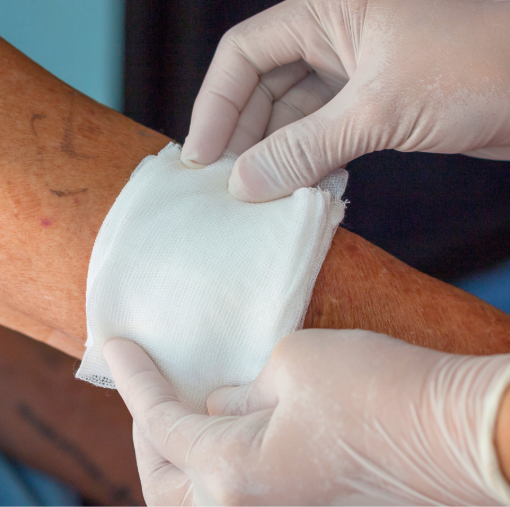
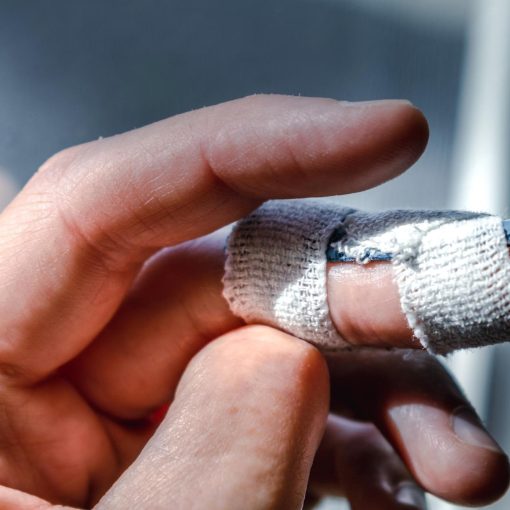
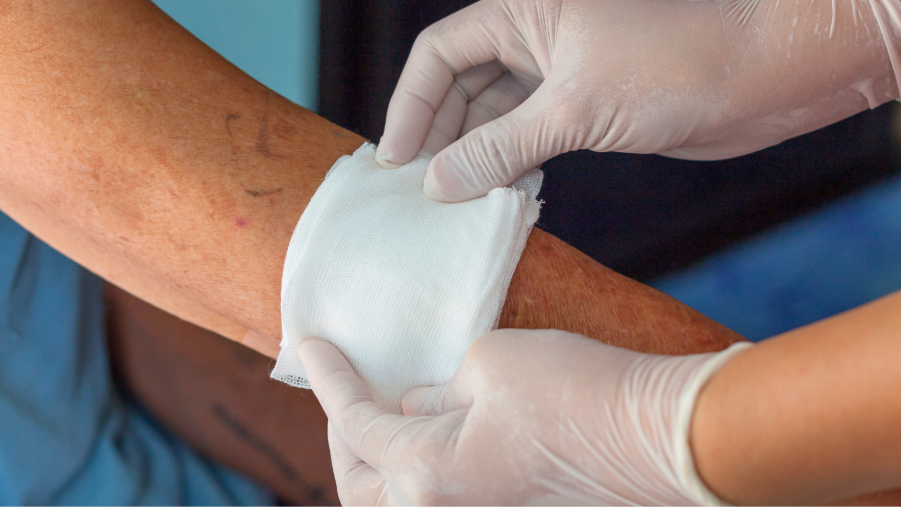
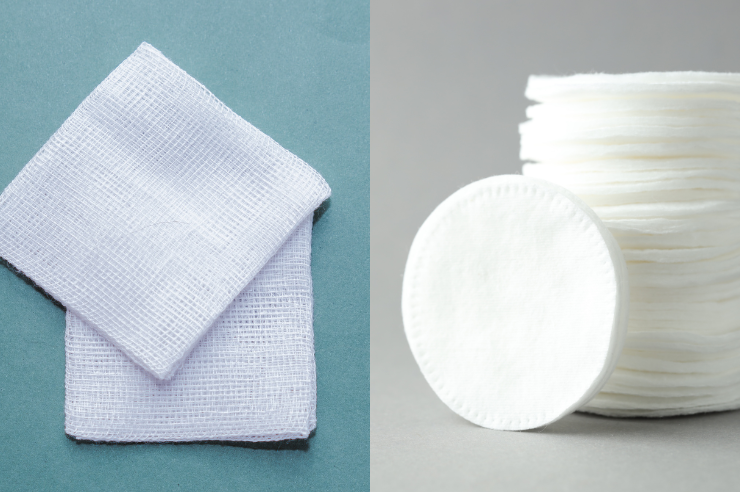
Gauze swabs are soft pieces of fabric made from cotton. But they are woven in a special way. This creates small gaps in the material.
Why does that matter?
Because these gaps help:
- Absorb fluids like blood or antiseptic
- Clean wounds gently
- Allow air to pass through
You will often see cotton gauze swabs used in clinics, hospitals, and first aid kits.
What Are Cotton Pads?
Now, think about cotton pads.
You probably use them at home for skincare, right?
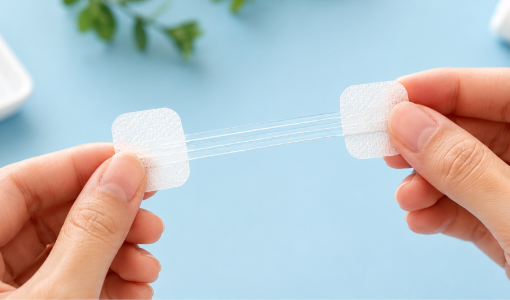
Cotton pads are made from pressed cotton. They feel soft and smooth. They don’t have the same open weave like gauze.
They are mainly used for:
- Removing makeup
- Applying toner
- Cleaning skin
They are not designed for medical use.
The Main Difference Between Gauze Swabs and Cotton Pads
Let’s make this super clear.
1. Structure and Design
- Gauze swabs have a loose, woven design
- Cotton pads are tightly packed and smooth
This means gauze is better for wounds, while cotton pads are better for skin care.
2. Absorption Power
You may wonder, which one absorbs better?
- Gauze swabs absorb fluids quickly and spread them evenly
- Cotton pads absorb but can hold liquid in one spot
That’s why gauze swab use is common in medical care.
3. Use in Wound Care
This is where the difference really shows.
- Medical gauze swab is safe for cleaning cuts and wounds
- Cotton pads can leave fibers behind, which is not good for wounds
So if you have a cut, always go for gauze.
4. Sterility
Some gauze swabs are sterile, while others are not.
- Non sterile gauze swabs are used for general cleaning
- Sterile ones are used for open wounds
Cotton pads are usually non-sterile and not made for medical use.
5. Durability
- Surgical swabs gauze are strong and do not tear easily
- Cotton pads can break or lose shape when wet
This makes gauze more reliable in serious situations.
When Should You Use Gauze Swabs?
You might ask, when do you really need them?
Use gauze swabs when:
- You clean a wound
- You apply antiseptic
- You dress a cut or injury
- You need something that won’t leave lint
Doctors and nurses rely on cotton gauze swab products for a reason.
When Should You Use Cotton Pads?
Cotton pads are still useful.
You can use them for:
- Skincare routines
- Removing nail polish
- Applying lotions
They are great for daily use, just not for wounds.
Why Choosing the Right One Matters
It may feel like a small choice, but it can make a big difference.
Using cotton pads on a wound can:
- Leave fibers behind
- Slow healing
- Increase infection risk
On the other hand, using medical gauze swab helps:
- Keep the area clean
- Support healing
- Reduce risk
If you want to learn more about proper wound care, you can check trusted health guidance from the World Health Organization (WHO): https://www.who.int
Types of Gauze Swabs You Should Know
Not all gauze swabs are the same.
Here are a few types:
1. Sterile Gauze Swabs
Used for open wounds and surgeries. Clean and safe.
2. Non Sterile Gauze Swabs
Good for general cleaning and minor care.
3. Cotton Gauze Swabs
Made from pure cotton. Soft and absorbent.
4. Surgical Gauze Swabs
Used in medical settings. Strong and reliable.
How to Store and Use Gauze Swabs
If you have them at home, store them properly.
- Keep them in a clean, dry place
- Use sterile ones only when needed
- Do not reuse them
Simple steps, but very important.
A Quick Comparison You Can Remember
If you forget everything, just remember this:
- Gauze swabs = for wounds and medical use
- Cotton pads = for skincare and daily use
Easy, right?
Common Mistakes People Make
You are not alone if you’ve made these mistakes.
- Using cotton pads on cuts
- Not checking if gauze is sterile
- Reusing gauze swabs
Try to avoid these. Your skin will thank you.
Conclusion
Now you know the real difference between gauze swabs and cotton pads. It’s not just about how they look. It’s about how they work and where you use them.
If you want safe and reliable products, choosing trusted names matters. Livingstone International offers quality options like non sterile gauze swabs and other medical essentials that focus on hygiene and performance.
So next time you reach for something to clean a wound or care for your skin, you’ll know exactly what to pick. Small choices like this can make a big difference in your daily care.
FAQs
1. Can you use cotton pads instead of gauze swabs?
You can, but it is not recommended for wounds. Cotton pads may leave fibers and affect healing, while gauze swabs are designed for safe medical use.
2. Are non sterile gauze swabs safe to use?
Yes, non sterile gauze swabs are safe for general cleaning. But for open wounds, you should always use sterile gauze to avoid infection.
3. What is the main use of gauze swabs?
The main gauze swab use is cleaning wounds, applying antiseptic, and dressing injuries. They are widely used in hospitals and first aid kits.
4. Why do doctors prefer gauze over cotton pads?
Doctors prefer medical gauze swab because it does not leave lint, absorbs well, and keeps wounds clean, which helps in faster and safer healing.
5. Can gauze swabs be reused?
No, you should never reuse gauze swabs. They are meant for single use to maintain hygiene and prevent infection during wound care.
6. Are cotton gauze swabs better than regular gauze?
Cotton gauze swabs are soft and highly absorbent. They are often preferred for gentle cleaning, especially for sensitive skin or minor wounds.