A small cut can happen anytime. You might be cooking, working, or just doing your daily tasks. In that moment, you quickly reach for adhesive strips. They are easy to use and give quick protection. But here’s something you may not think about, using them the wrong way can slow down healing.
You want your wound to heal fast, right? Then it’s important to know what to avoid.
If you are choosing reliable products, trusted suppliers like Livingstone International offer quality options used in healthcare settings:
Let’s go step by step in a simple way.
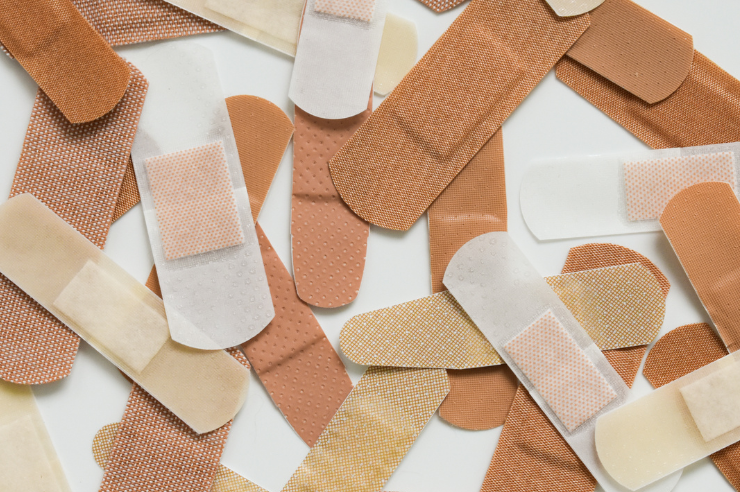
What are adhesive strips?
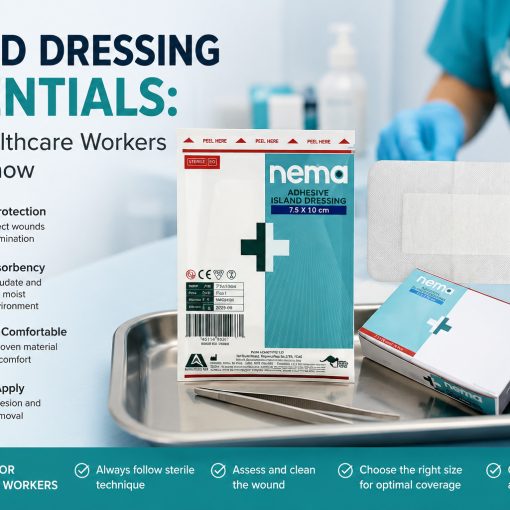
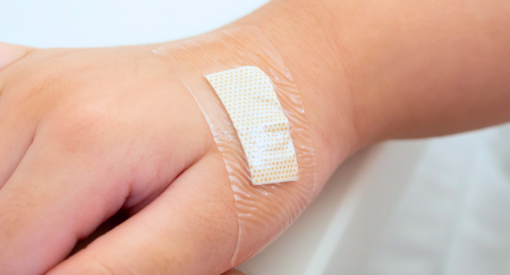
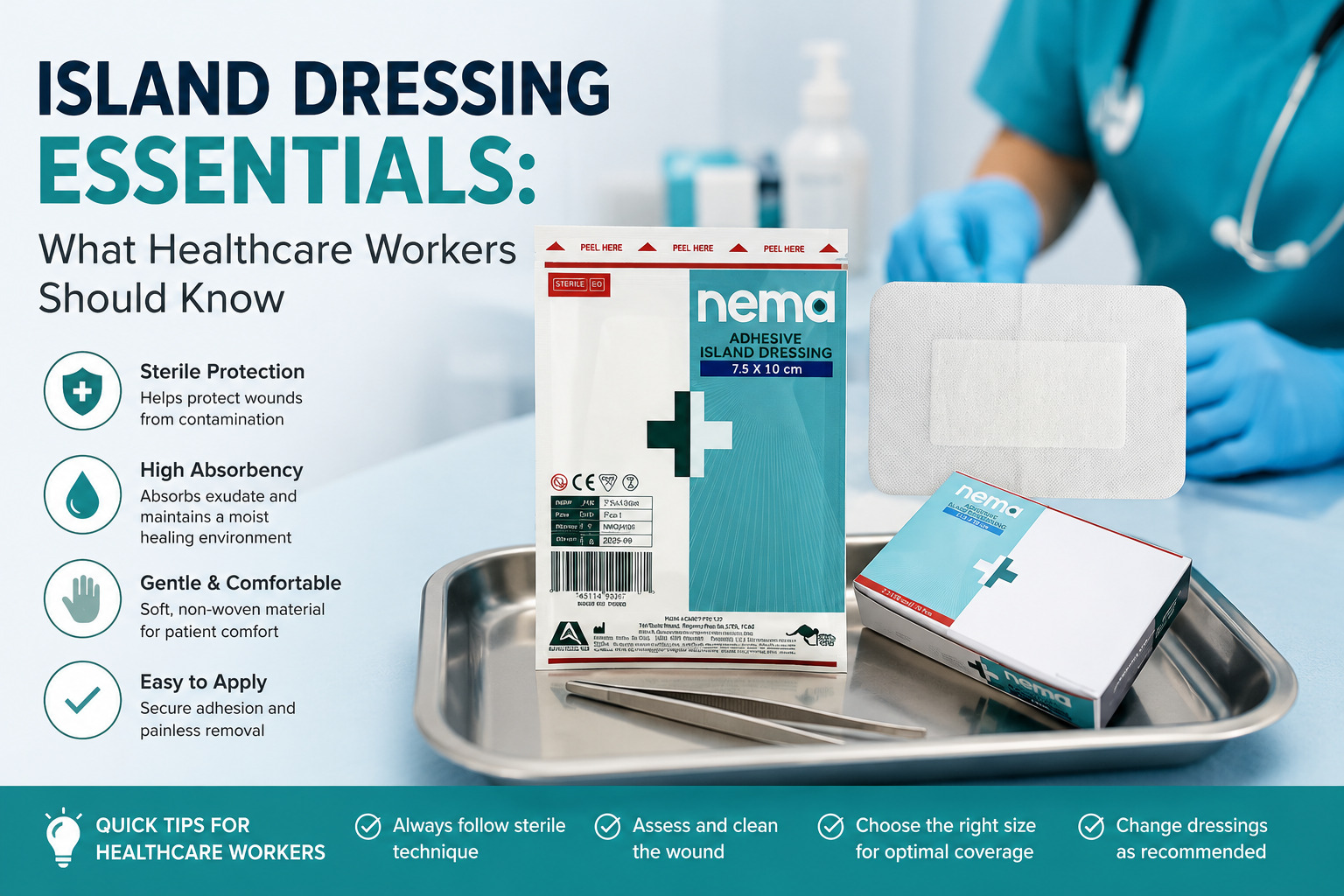
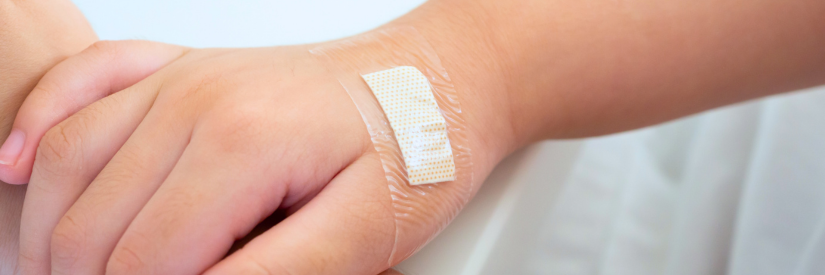
Adhesive strips are small medical strips used to close minor cuts and protect wounds. You may also hear them called:
- adhesive plastic dressing strips
- adhesive plastic dressing strips sterile
They help keep the wound clean and allow your skin to heal naturally. Moreover, health guidelines from Centers for Disease Control and Prevention highlight that proper wound care and clean handling help prevent infection.
Why using adhesive strips the right way matters
You may think it is just a simple strip. But using it the wrong way can cause:
- infection
- slow healing
- skin irritation
- reopening of the wound
So yes, a small mistake can lead to bigger problems. That is why you should know what to avoid.
1. Avoid using adhesive strips on deep wounds
This is one of the biggest mistakes.
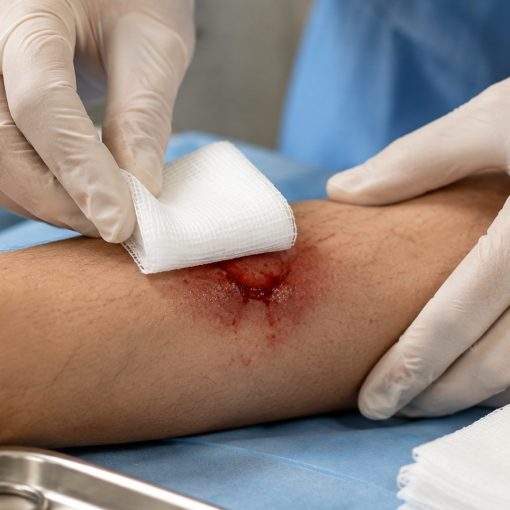
Adhesive strips are only for small cuts. If the wound is deep, wide, or bleeding heavily, do not use them.
Ask yourself – does this need medical help? If yes, skip the strip and get proper treatment.
2. Avoid applying on dirty or unclean skin
You should never place a strip on dirty skin.
If you do this, you trap bacteria inside the wound. This can lead to infection.
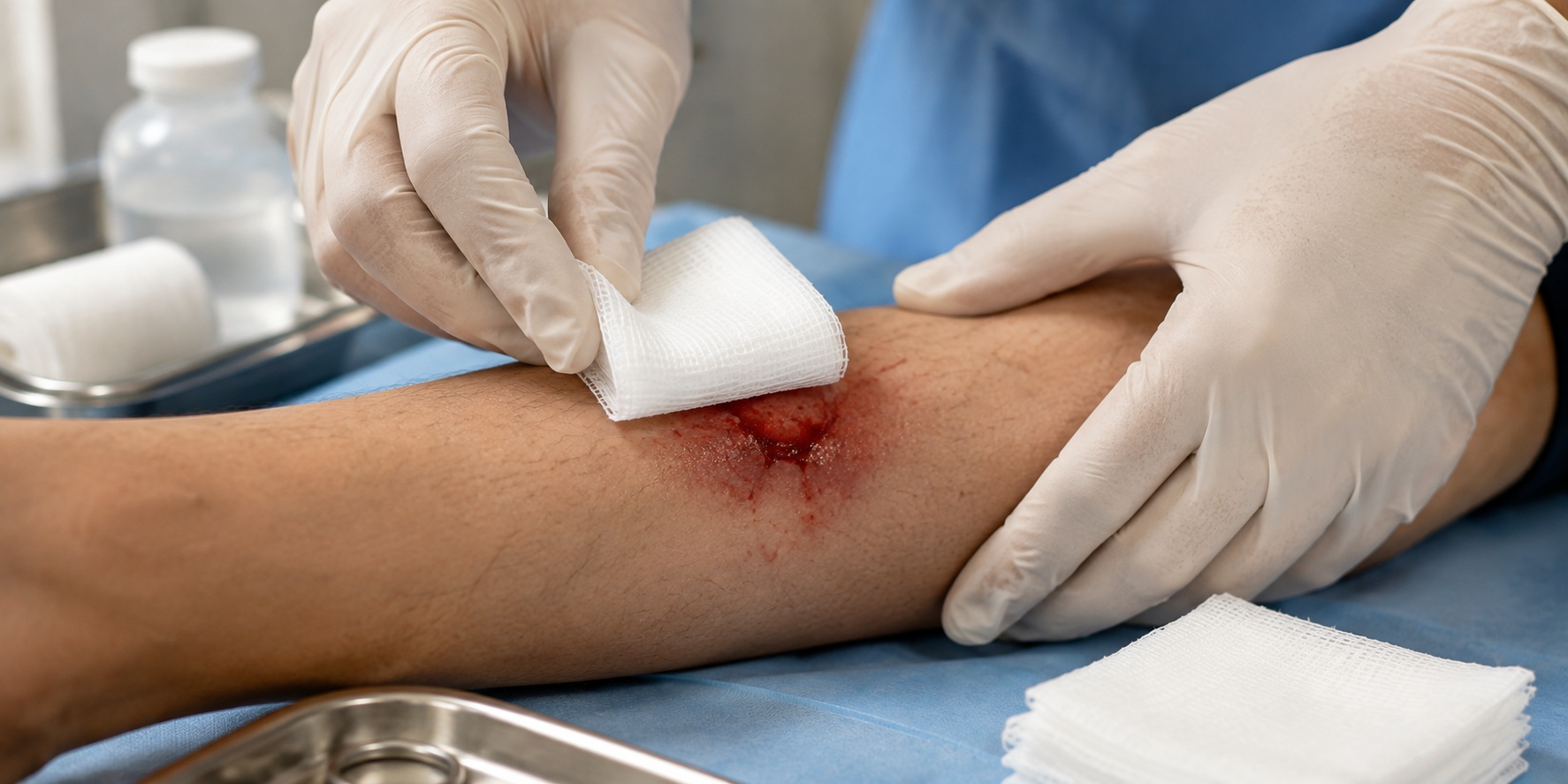
Always clean the wound with water and gently dry it before applying adhesive plastic dressing strips.
3. Avoid stretching the strip too tightly
Many people pull the strip too tight.
But this can:
- cause pain
- reduce blood flow
- slow healing
You should place it gently. It should support the skin, not pull it.
4. Avoid leaving adhesive strips on for too long
It may feel easy to leave the strip for days. But that is not a good idea.
If you leave it too long:
- moisture builds up
- bacteria can grow
- skin may get irritated
Check your wound daily and change the strip when needed.
5. Avoid using expired or low-quality strips
Not all strips are the same.
Old or poor-quality strips may not stick well and may not be safe. Always check the packaging before use.
Using adhesive plastic dressing strips sterile gives better protection.
6. Avoid reusing adhesive strips
This is very important.
Adhesive strips are for one-time use only. Reusing them can spread germs and increase infection risk.
Even if it looks clean, do not reuse it.
7. Avoid touching the wound with unclean hands
Before applying a strip, always clean your hands.
If your hands are dirty, you can transfer germs to the wound.
It is a simple step, but it helps a lot.
8. Avoid using strips on infected wounds
If your wound already shows signs of infection, do not cover it without proper care.
Look for signs like:
- redness
- swelling
- pus
- pain
If you see these, you should get medical advice instead of just using strips.
9. Avoid using the wrong type of strips
Not all adhesive products are for wounds.
For example:
- double sided adhesive strips are for sticking items
- adhesive rubber strips are used for grip
- non slip adhesive strips are used on floors
You should only use medical-grade adhesive strips for wounds.
10. Avoid removing strips roughly
Pulling strips quickly can damage your skin.
Instead, remove them slowly. If needed, wet them slightly to make removal easier.
This helps avoid pain and skin damage.
Simple tips you should follow
Now that you know what to avoid, here are a few easy tips:
- Always clean the wound first
- Use fresh and sterile strips
- Change strips regularly
- Keep the area dry
- Watch for signs of infection
These small steps make a big difference.
Why proper wound care matters
Your skin protects your body. Even a small cut needs proper care.
Using adhesive strips the right way helps your wound heal faster and safely.
But if you ignore basic care, healing can take longer.
So, it is always better to be careful.
Conclusion
Using adhesive strips may seem simple, but doing it the right way is very important. You should avoid mistakes like using them on deep wounds, applying them on dirty skin, or leaving them on for too long.
Whether you are using adhesive plastic dressing strips or adhesive plastic dressing strips sterile, proper care helps your wound heal better.
For safe and reliable products, Livingstone International offers quality solutions trusted in healthcare settings. Choosing the right product and using it correctly helps you stay protected and worry-free.
FAQs
1. Can I use adhesive strips on deep cuts?
No, adhesive strips are only for small wounds. Deep cuts need proper medical care, as using strips alone may not stop bleeding or prevent infection effectively.
2. How often should I change adhesive strips?
You should change adhesive strips when they become wet, dirty, or loose. Checking your wound daily helps you decide when a fresh strip is needed.
3. Can I reuse adhesive strips?
No, adhesive strips are made for single use. Reusing them can transfer bacteria and increase infection risk, which can slow down the healing process.
4. Should I clean the wound before using strips?
Yes, always clean and dry the wound first. This removes dirt and bacteria, helping the adhesive strip protect the wound properly and support faster healing.
5. What should I do if the wound gets infected?
If you see redness, swelling, or pus, you should stop using the strip and seek medical advice. Ignoring infection signs can make the condition worse.
6. Are all adhesive strips suitable for wounds?
No, only medical adhesive strips should be used for wounds. Other types like double sided or rubber adhesive strips are not safe for medical use.