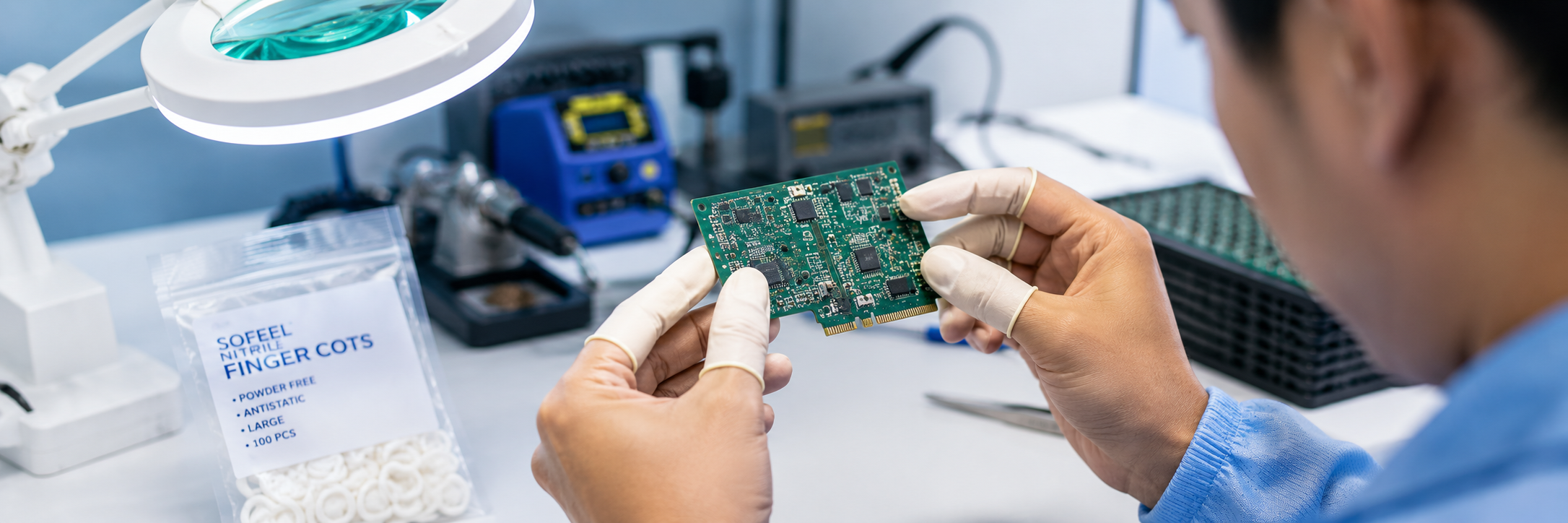
When you handle health care work, cleaning tasks, or lab work, your hands need strong protection. Even a small mistake can lead to contamination or skin contact with harmful substances. That is why nitrile examination gloves have become a trusted choice for many people.
You may already see them in hospitals, clinics, labs, and even in food handling. But before you choose the right pair, it is good to understand what you are buying and why it matters.
If you are looking for reliable quality products, brands like Livingstone International offer trusted options that many professionals use every day.
Now let’s break it down in a simple way so you can choose better.

What are nitrile examination gloves?
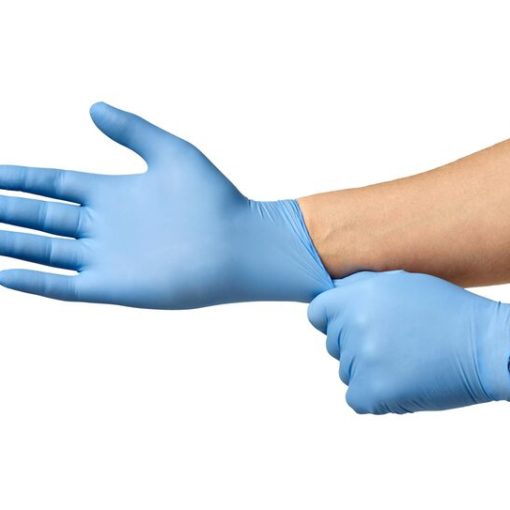
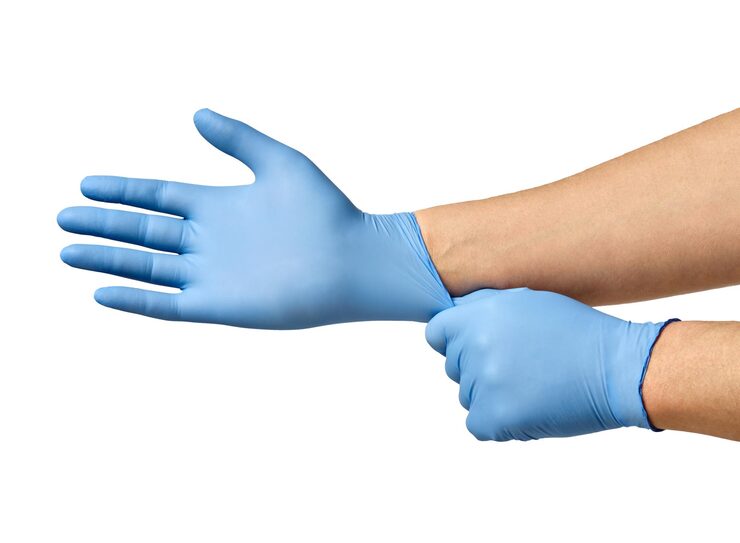
Nitrile examination gloves are protective gloves made from synthetic rubber. They are designed to protect your hands from chemicals, germs, and other harmful substances.
Unlike latex gloves, nitrile gloves do not contain natural rubber latex. This makes them a safer option for people who have latex allergies.
They are widely used in medical settings, so you will also hear terms like:
- nitrile gloves
- nitrile medical grade examination gloves
- disposable nitrile examination gloves
All these are used depending on their purpose and quality level.
Why are nitrile gloves so important?
You might ask, why not just use regular gloves?
The simple answer is protection and safety.
Nitrile gloves are strong and resistant to punctures. They also offer good protection against chemicals and body fluids. That is why doctors, nurses, and lab workers prefer them. Moreover, low-quality or fake gloves may not meet proper safety standards, which can increase the risk of infection or exposure.
So when you use good-quality gloves, you reduce risk for yourself and others.
What should you know before buying nitrile examination gloves?
Before you buy, you should not just pick any box. You need to check a few important things.
1. Size matters
Gloves should fit your hands properly. If they are too tight, they can tear. If they are too loose, you may lose grip.
Always check small, medium, large, or extra-large options.
2. Thickness and strength
Not all gloves are the same.
- Thin gloves are good for light tasks
- Heavy duty nitrile gloves are better for strong protection
If you are working with chemicals or sharp tools, go for thicker gloves.
3. Powder-free option
Many people prefer powder-free gloves because they reduce skin irritation and contamination risk.
Disposable nitrile examination gloves are often powder-free and safe for daily use.
4. Medical grade quality
If you are working in healthcare, always check for nitrile medical grade examination gloves.
These gloves meet strict safety standards and are tested for medical use.
5. Grip and comfort
Good gloves should give you a strong grip, even when wet. You should also be able to wear them for long hours without discomfort.
6. Chemical resistance
If you are handling cleaning agents or lab chemicals, nitrile gloves are better than latex or vinyl because they resist many chemicals.
Types of nitrile gloves you should know
It helps to understand the different types available.
- Nitrile gloves
General protection gloves used in many industries.
- Disposable nitrile examination gloves
Used once and then thrown away. Common in hospitals and clinics.
- Heavy duty nitrile gloves
Thicker gloves used for high-risk tasks like chemical handling or industrial work.
- Nitrile medical grade examination gloves
Certified gloves used in healthcare environments for patient safety.
How to choose the right nitrile gloves?
Choosing the right gloves is simple if you follow a few steps.
First, think about your work. Are you in a hospital, lab, or cleaning job?
Then check:
- Required protection level
- Comfort and fit
- Duration of use
- Sensitivity or allergy concerns
If you are unsure, it is always better to go with medical-grade gloves because they offer higher safety.
Common mistakes people make when buying gloves
Many people make small mistakes that affect safety.
Here are a few:
- Choosing the wrong size
- Ignoring thickness level
- Buying non-certified gloves for medical use
- Reusing disposable gloves
- Not checking chemical resistance
Avoiding these mistakes can improve your safety and performance.
Why choose Livingstone International?
If you want trusted quality, Livingstone International is a well-known name in healthcare and safety supplies.
Our nitrile gloves are designed for comfort, strength, and reliable protection. Whether you need them for medical, lab, or general use, you can find suitable options easily.
When you choose a trusted brand, you also get peace of mind that your safety is not compromised.
Conclusion
Buying nitrile examination gloves may look simple, but the right choice makes a big difference in safety and comfort. You should always check size, strength, material quality, and purpose before buying.
Whether you need nitrile gloves for general use, disposable nitrile examination gloves for daily tasks, or heavy duty nitrile gloves for tougher jobs, choosing the right type is important.
For reliable and high-quality options, Livingstone International offers trusted products that are widely used in healthcare and professional environments. When your safety matters, choosing the right gloves always makes your work easier and safer.
FAQs
1. What are nitrile examination gloves used for?
They are used to protect hands from chemicals, germs, and contamination in medical, lab, and cleaning work.
2. Are nitrile gloves better than latex gloves?
Yes, nitrile gloves are stronger and safer for people with latex allergies.
3. Can nitrile gloves be reused?
No, most nitrile examination gloves are disposable and should be used only once.
4. Are nitrile gloves safe for medical use?
Yes, nitrile medical grade examination gloves are specially made for healthcare environments.
5. What is the difference between heavy duty and regular nitrile gloves?
Heavy duty nitrile gloves are thicker and provide more protection for tough or chemical-heavy tasks.
6. How do I choose the right size of nitrile gloves?
Choose a size that fits your hand snugly without being too tight or too loose for better grip and comfort.