A small cut or wound may not seem like a big deal at first. But if it is not covered properly, it can become uncomfortable and take longer to heal. That is why choosing the right wound dressing matters. The right dressing helps protect the wound, keeps it clean, and supports the healing process.
One option that many healthcare professionals rely on is an island dressing. It is simple to use, comfortable to wear, and suitable for many types of wounds. Whether you are caring for a minor injury at home or managing a post-surgical wound in a healthcare setting, understanding how an island dressing works can help you make the right choice.
At Livingstone International, you can find quality wound care products that are designed to support safe and effective wound management. Our range includes reliable dressings that help healthcare professionals and caregivers provide better care every day.
In this guide, you will learn what an island dressing is, its benefits, when to use it, and how to choose the right one for your needs.
What Is an Island Dressing?
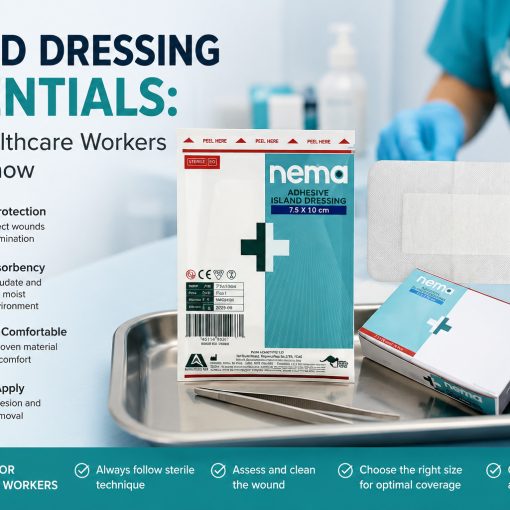
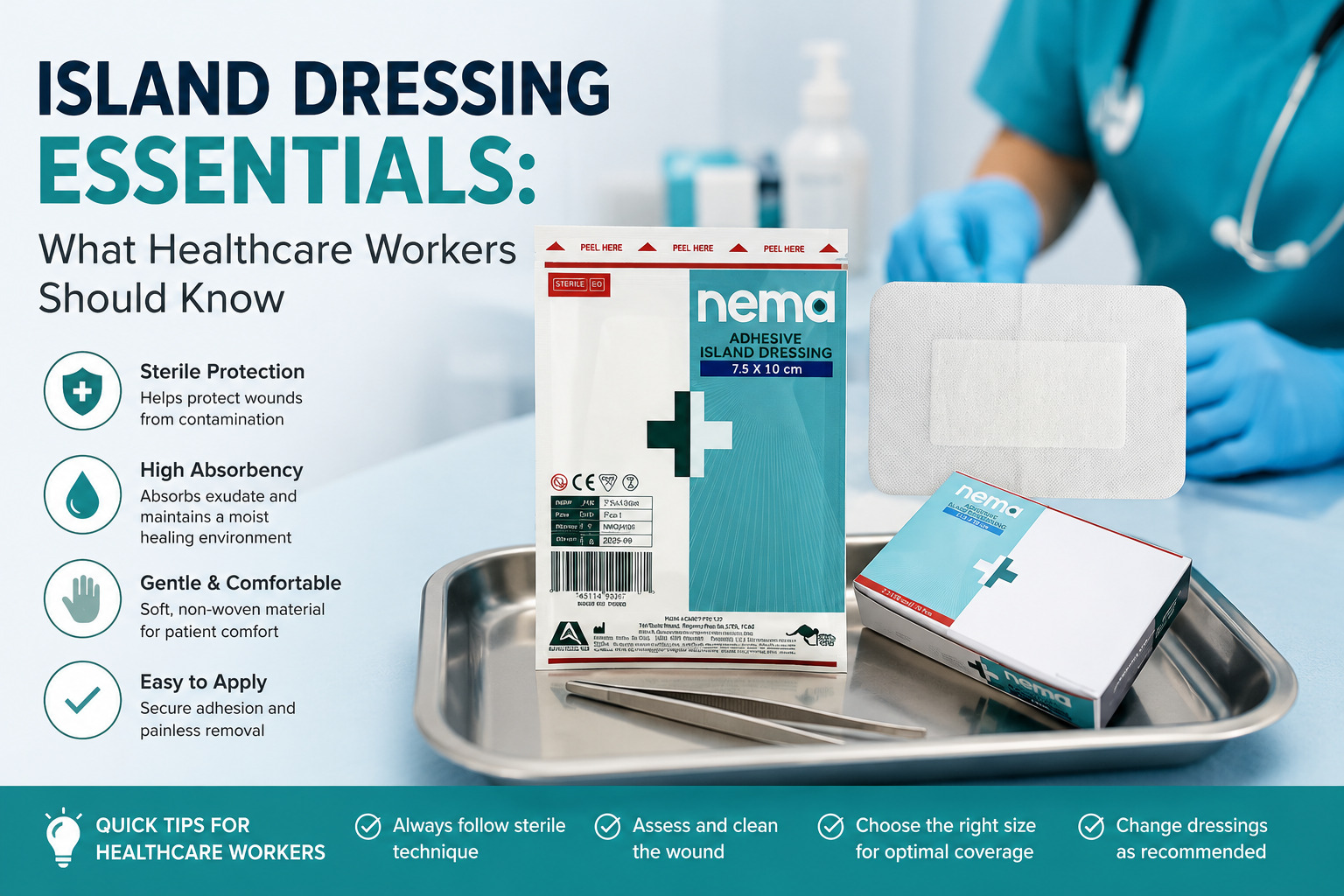
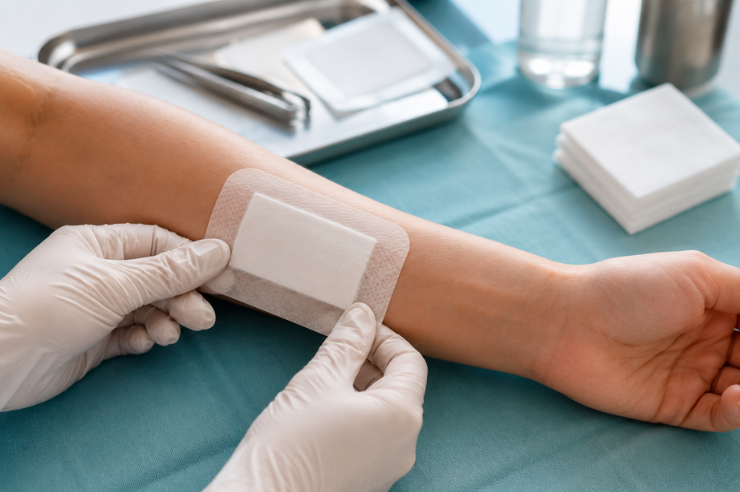
An island dressing is a wound dressing that has two main parts.
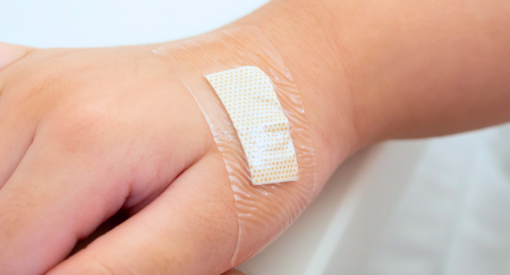
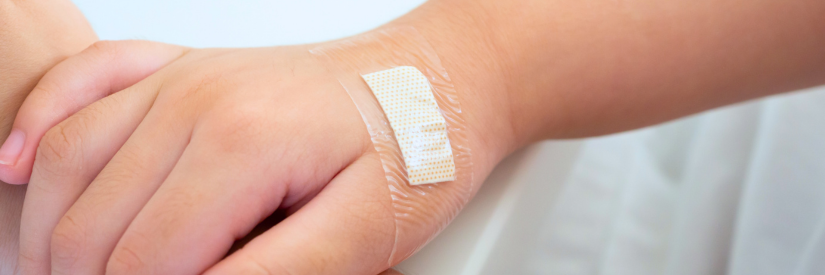
The centre contains a soft absorbent pad that covers the wound. Around the pad is an adhesive border that sticks gently to the healthy skin.
Because the pad sits in the middle like an “island,” it is called an island dressing.
Many products are designed as an adhesive island dressing, making them quick and easy to apply without needing extra tape.
How Does an Island Dressing Work?
The soft centre pad protects the wound while absorbing light amounts of fluid. At the same time, the adhesive border keeps the dressing securely in place.
Since the pad does not stick directly to the wound, changing the dressing is usually more comfortable.
This design also helps reduce irritation when the dressing is removed.
When Should You Use an Island Dressing?
You may be wondering, “Is an island dressing suitable for every wound?”
The answer depends on the type of wound.
An island wound dressing is commonly used for:
- Small cuts
- Surgical wounds
- Minor burns
- Stitches
- Grazes
- Skin tears
- Healing wounds with light drainage
It works best on wounds that need protection but do not produce large amounts of fluid.
Benefits of Using an Island Dressing
There are many reasons why healthcare professionals choose an island adhesive dressing.
Protects the Wound
The dressing creates a protective barrier against dirt, dust, and everyday contact.
This helps reduce the chance of contamination while the wound heals.
Comfortable to Wear
Many dressings use soft materials that move with your skin.
This makes them comfortable during daily activities.
Easy to Apply
An adhesive island wound dressing is simple to use.
Just remove the backing, place the absorbent pad over the wound, and press the adhesive border onto clean, dry skin.
Gentle During Dressing Changes
The centre pad is designed not to stick directly to the wound.
This makes dressing changes easier and can reduce discomfort.
Helps Keep the Wound Clean
The dressing covers the wound completely while absorbing small amounts of fluid.
This supports a cleaner healing environment.
What Is a Non Woven Island Dressing?
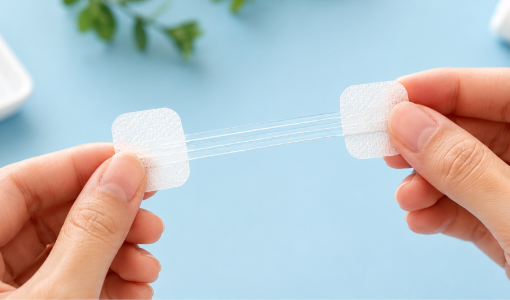
A non woven island dressing uses soft, breathable fabric instead of woven material.
This type of dressing offers several benefits.
It feels gentle against the skin.
It allows air to circulate.
It is lightweight and comfortable to wear for longer periods.
Many healthcare settings choose non woven dressings because they provide comfort without reducing protection.
Why Choose a Non Adherent Wound Dressing Pad?
One important feature of many island dressings is the non adherent wound dressing pad.
Instead of sticking to the wound, the pad rests gently on the surface.
This helps:
- Reduce pain during dressing changes
- Protect new skin
- Lower the risk of disturbing the healing process
- Improve patient comfort
These features make non-adherent dressings especially useful for healing wounds and post-operative care.
How to Choose the Right Island Dressing
Not every dressing is the same.
Here are a few things you should consider before choosing one.
Consider the Wound Size
The absorbent pad should fully cover the wound.
The adhesive border should stick to healthy skin around the wound.
Check the Absorbency
Some wounds produce very little fluid.
Others may need a dressing with greater absorbency.
Choose one that matches the wound’s needs.
Look for Sterility
An island dressing sterile product is supplied in sterile packaging.
Sterile dressings are commonly used for surgical wounds and other situations where cleanliness is especially important.
Choose a Comfortable Material
Soft materials help improve comfort, especially if the dressing needs to stay on for several days.
Make Sure It Stays in Place
A quality island dressing bandage should stay secure while allowing you to move comfortably throughout the day.
How to Apply an Island Dressing
Applying an island dressing is simple.
Follow these basic steps.
- Wash your hands before touching the wound.
- Clean the wound as advised by a healthcare professional.
- Dry the surrounding skin gently.
- Open the sterile package carefully.
- Place the centre pad directly over the wound.
- Press the adhesive border onto clean, dry skin.
- Smooth the edges to help the dressing stay in place.
If the dressing becomes wet, dirty, or loose, replace it with a fresh one.
For practical wound care advice, the Australian Commission on Safety and Quality in Health Care provides helpful resources on preventing infections and supporting safe healthcare practices:
Common Mistakes to Avoid
Even a good dressing may not work well if it is used incorrectly.
Here are some common mistakes.
- Choosing a dressing that is too small.
- Touching the absorbent pad before applying it.
- Applying the dressing to damp skin.
- Leaving the dressing on for too long when it needs changing.
- Using a non-sterile dressing when a sterile one is recommended.
Avoiding these mistakes helps keep the wound protected.
Why Quality Matters
A good dressing does more than simply cover a wound.
It should stay securely in place, feel comfortable, protect the wound, and allow easy dressing changes.
Choosing quality wound care products can make everyday wound management simpler for healthcare professionals, carers, and patients alike.
Conclusion
An island dressing is a practical choice for protecting many everyday wounds, surgical sites, and minor injuries. Its absorbent centre pad and adhesive border work together to keep the wound covered while supporting comfortable healing. Choosing the right size, selecting a sterile product when needed, and changing the dressing as recommended all help improve wound care.
If you are looking for dependable wound care products, Livingstone International offers a trusted range of high-quality island dressings and other medical supplies designed to support healthcare professionals and everyday users. Choosing reliable products from us helps you provide safe, effective, and comfortable wound care with confidence.
Frequently Asked Questions
1. What is an island dressing used for?
An island dressing is used to protect wounds such as cuts, surgical incisions, grazes, and skin tears. It helps keep the wound clean while absorbing light amounts of fluid during healing.
2. How often should an island dressing be changed?
The dressing should be changed if it becomes wet, loose, dirty, or as advised by your healthcare professional. Regular changes help maintain a clean environment for wound healing.
3. What is the benefit of a non-adherent wound dressing pad?
A non-adherent wound dressing pad does not stick to the wound surface. This helps reduce discomfort during dressing changes and protects new tissue as the wound heals.
4. Can an island dressing be used after surgery?
Yes. A sterile island dressing is commonly used to cover surgical wounds. It helps protect the incision from outside contamination while supporting a clean healing environment.
5. How do I choose the right island dressing size?
Choose a dressing with a pad that completely covers the wound. The adhesive border should stick to healthy skin around the wound for a secure and comfortable fit.
6. Is an island dressing waterproof?
Most standard island dressings are designed to protect wounds from everyday contact but are not fully waterproof. Always check the product instructions before showering or exposing the dressing to water.