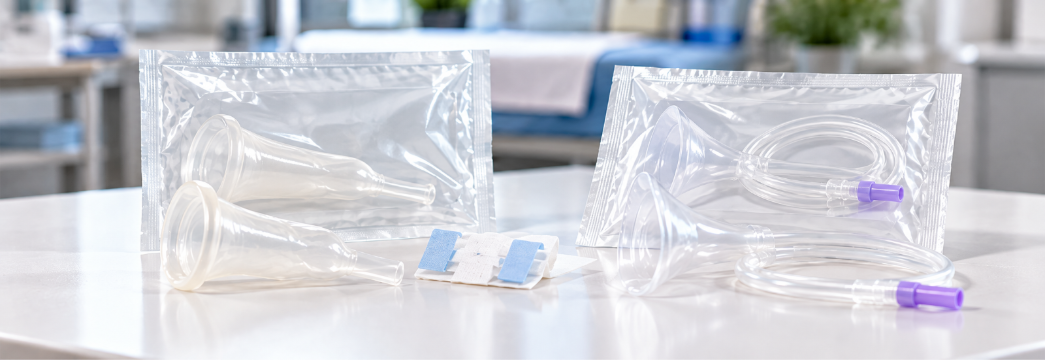
Every healthcare setting depends on reliable medical supplies. While some tools get a lot of attention, others quietly help healthcare professionals carry out important tasks every single day. One of those everyday essentials is the catheter tip syringe.
It may look like a simple syringe, but it is designed for specific medical and clinical uses where accurate fluid delivery or irrigation is needed. Whether you work in a hospital, clinic, aged care facility, or manage healthcare supplies, choosing the right syringe can make daily procedures smoother and more efficient.
That’s why many healthcare providers across Australia trust Livingstone International for quality medical products. Our range of healthcare supplies includes dependable 60mL catheter tip syringes that are designed to support safe, reliable, and professional patient care.
Let’s explore how this simple device supports healthcare professionals and why it remains an essential part of many medical environments.
What Is a Catheter Tip Syringe?
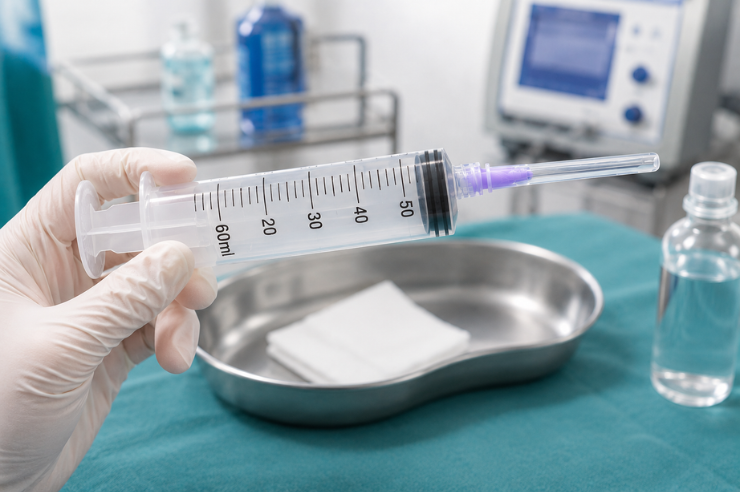
A catheter tip syringe is a syringe with a wider, tapered tip instead of the standard narrow connection found on other syringes.
This design allows it to connect with certain medical tubing and devices used for irrigation and fluid transfer.
One of the most commonly used sizes is the 60mL catheter tip syringe, which provides a larger capacity for procedures that require more fluid.
Because of its practical design, it is widely used in hospitals, clinics, aged care facilities, and other healthcare settings.
Why Is a 60mL Capacity Useful?
A larger syringe means fewer refills during many procedures.
Think about it this way. If you need to move or irrigate a larger amount of fluid, using a 60cc catheter tip syringe can be more convenient than using several smaller syringes.
This helps save time while making procedures more efficient.
The larger capacity also allows healthcare professionals to work more comfortably during tasks that require steady fluid delivery.
Common Uses of a Catheter Tip Syringe
A catheter syringe tip is designed for several healthcare applications. Here are some of the most common uses.
Irrigation Procedures
One of the main uses of catheter syringes for irrigation is flushing medical tubing or body cavities as directed during patient care.
The larger barrel allows healthcare professionals to deliver an appropriate amount of irrigation solution when required.
Because of this, many people also refer to it as an irrigation syringe 60ml.
Fluid Transfer
In some healthcare settings, fluids need to be transferred safely from one container to another.
A 60ml catheter tip syringe provides a practical way to handle this task with better control.
Its wide tip also supports smooth fluid movement when used with compatible medical equipment.
Clinical and Hospital Care
Walk into almost any hospital and you will find different types of syringes being used throughout the day.
A catheter tip syringe supports healthcare professionals during many routine clinical procedures where larger-volume fluid handling is required.
Its simple design makes it a valuable tool across different departments.
Aged Care Facilities
Residents in aged care often require ongoing medical support.
Healthcare teams may use catheter syringes for irrigation as part of approved care procedures, depending on individual clinical needs.
Having quality equipment available helps staff provide safe and effective care.
Medical Training
Training centres and healthcare education programs also use 60cc catheter tip syringes to help students become familiar with common medical equipment.
Learning with professional-quality products helps prepare future healthcare workers for real clinical environments.
Features That Make a Difference
Not all syringes are made the same.
A quality 60ml catheter tip syringe includes features that improve safety and ease of use.
Sterile Packaging
Sterility is important in healthcare.
A sterile syringe is individually packed to help keep it clean until it is ready for use.
This supports safe clinical practice.
Smooth Plunger Movement
A syringe should move smoothly during use.
A well-designed plunger allows healthcare professionals to control fluid movement more easily, making procedures more comfortable and efficient.
Comfortable Grip
During busy shifts, healthcare professionals use medical equipment for many hours.
A syringe that is easy to hold and operate helps improve handling during routine procedures.
Latex-Free Materials
Many healthcare products are now made without natural rubber latex.
Choosing latex-free products helps reduce concerns for patients and healthcare workers who may have latex sensitivities
Why Choosing Quality Medical Supplies Matters
Medical professionals rely on equipment every day.
When supplies perform consistently, it supports smoother workflows and greater confidence during patient care.
Choosing trusted medical products means you know the equipment has been designed to meet professional healthcare standards.
For this reason, many hospitals, clinics, and healthcare providers choose products from established medical suppliers.
Safe Use Is Always Important
Every medical device should be used according to healthcare guidelines and the manufacturer’s instructions.
Good practice includes:
- Using a sterile syringe when required.
- Checking the packaging before opening.
- Using the correct syringe for the intended procedure.
- Disposing of single-use syringes safely after use.
- Following your workplace infection control procedures.
For guidance on infection prevention and safe healthcare practices, the Australian Commission on Safety and Quality in Health Care provides valuable information for healthcare professionals and organisations:
Choosing the Right Catheter Tip Syringe
When selecting a catheter tip syringe, it helps to consider:
- The required capacity
- Sterile packaging
- Easy plunger movement
- Latex-free construction
- Reliable product quality
- Compatibility with intended medical applications
A 60mL catheter tip syringe is often chosen because its larger capacity supports a wide range of irrigation and fluid-handling tasks in healthcare settings.
Conclusion
A catheter tip syringe is a simple but important tool that supports many everyday healthcare procedures. From irrigation and fluid transfer to routine clinical care, it helps healthcare professionals work safely and efficiently.
Choosing a high-quality 60ml catheter tip syringe gives you confidence that your medical supplies are ready when they are needed most. Whether you manage a hospital, clinic, aged care facility, or healthcare practice, reliable equipment makes a real difference.
Livingstone International continues to support healthcare providers across Australia with trusted medical products, including premium catheter tip syringes designed for professional use. When quality, safety, and reliability matter, Livingstone International is a trusted choice.
Frequently Asked Questions
1. What is a catheter tip syringe used for?
A catheter tip syringe is commonly used for irrigation procedures, fluid transfer, and other healthcare applications where larger volumes of fluid need to be delivered or handled safely.
2. Why is a 60mL catheter tip syringe popular?
A 60mL catheter tip syringe holds more fluid than smaller syringes, helping reduce refills during procedures and making irrigation or fluid transfer more efficient.
3. Is a catheter tip syringe sterile?
Many catheter tip syringes are supplied in sterile packaging for single use. Always check the product label before use and follow the manufacturer’s instructions.
4. What is the difference between a catheter tip syringe and a standard syringe?
A catheter syringe tip has a wider, tapered tip designed for certain tubing and irrigation applications, while a standard syringe usually has a narrower connection.
5. Where are catheter syringes commonly used?
Catheter syringes for irrigation are widely used in hospitals, clinics, aged care facilities, medical practices, and other professional healthcare environments.
6. Why should I choose a quality catheter tip syringe?
A quality 60cc catheter tip syringe offers reliable performance, smooth operation, sterile packaging, and dependable construction, helping support safe and effective patient care.