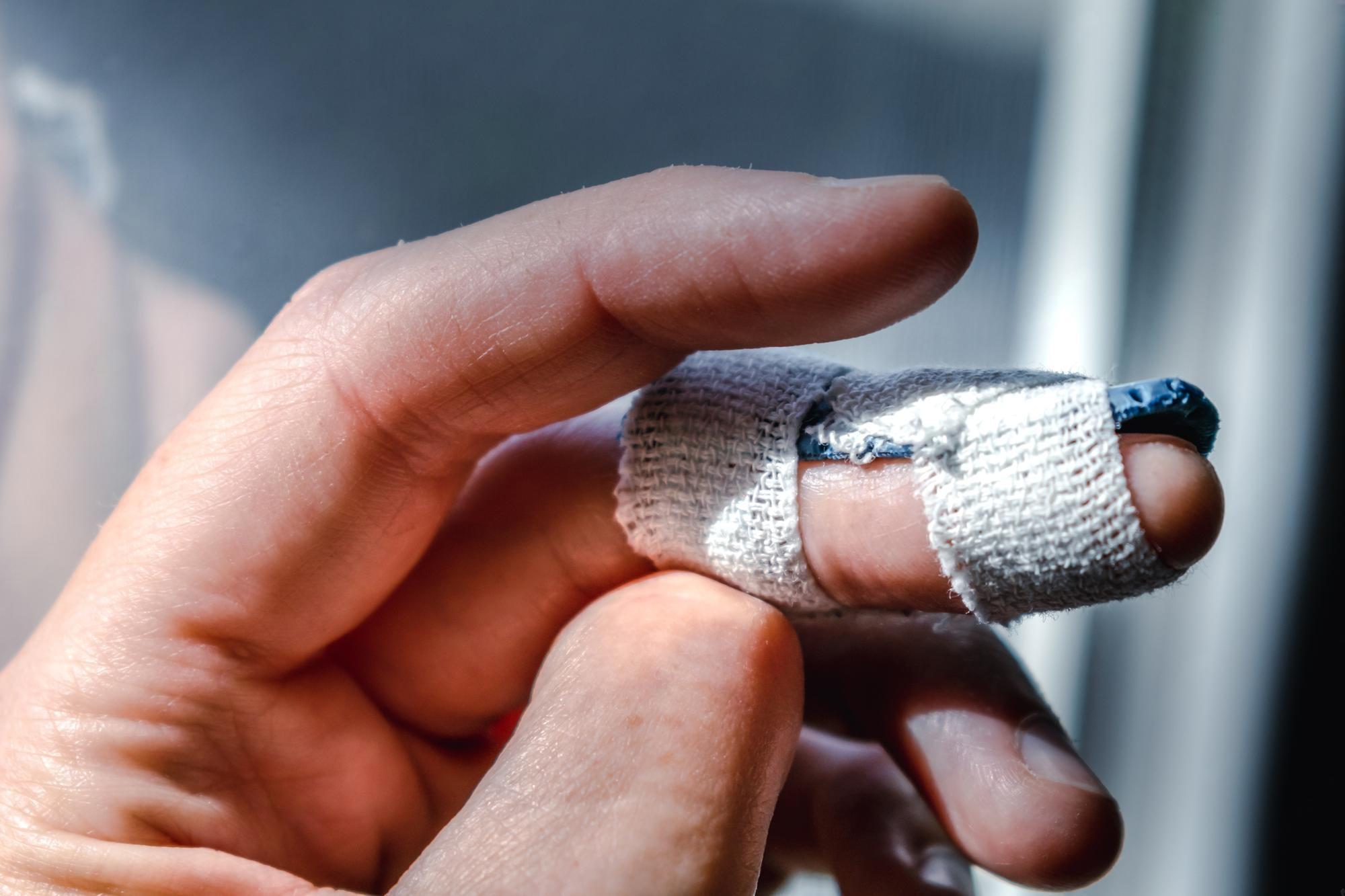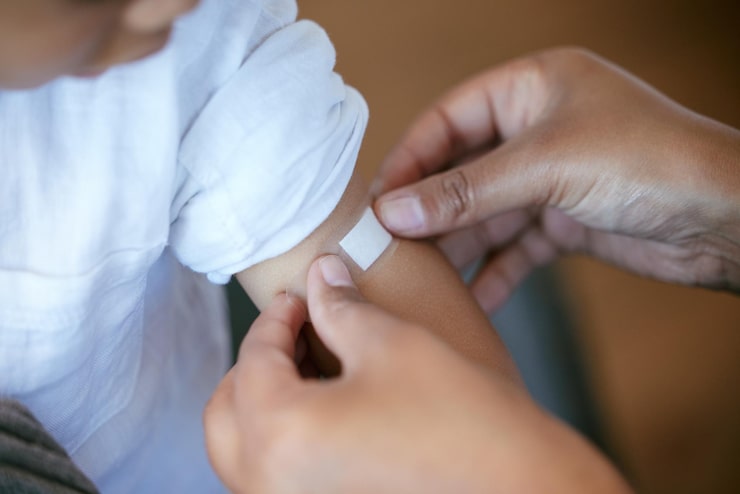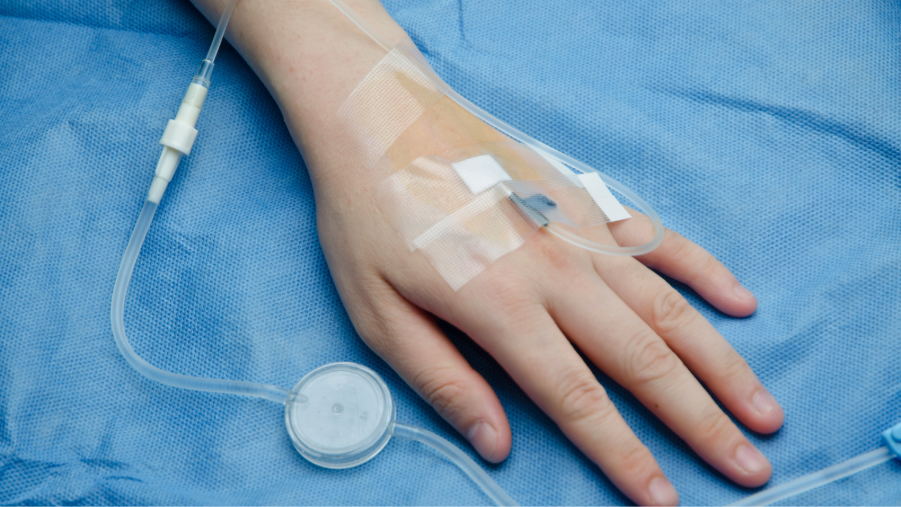
A small cut may only need a simple bandage. But what happens when the wound is deeper, takes longer to heal, or needs extra care? Using the right dressing at the right time can make a real difference. Choosing between a basic dressing and an advanced wound care product is not always easy, especially if you are responsible for a workplace, healthcare setting, or first aid kit.
That is why it helps to understand what each product is designed to do. With the right wound care products, you can better protect wounds, support healing, and reduce the risk of infection.
Livingstone International offers a wide range of quality wound care solutions, making it easier to find the right products for different care needs. Whether you are updating your first aid supplies or managing a healthcare facility, knowing when to use advanced wound care products can help you make better choices.
What Are Basic Dressings?
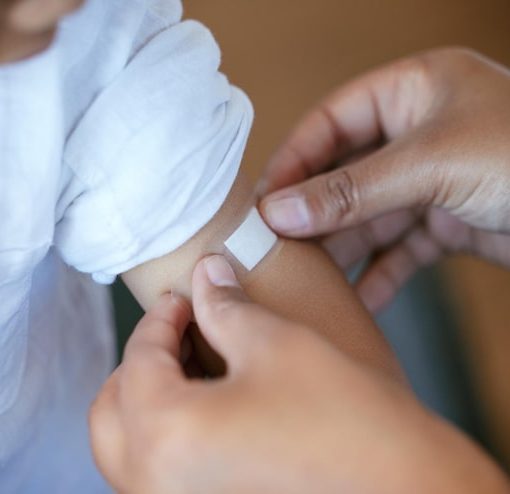
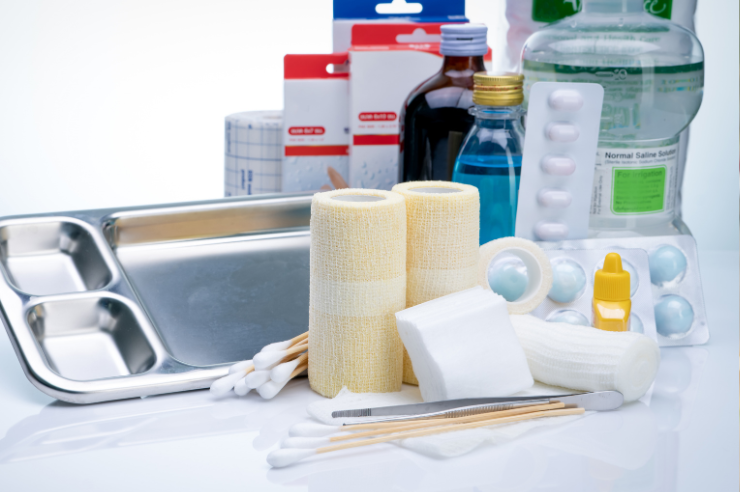
Basic dressings are the products most people know well. They are commonly used for small cuts, grazes, and minor injuries.
These dressings are made to cover the wound, keep it clean, and provide basic protection while the skin heals.
Some common examples include:
- Adhesive bandages
- Gauze pads
- Cotton dressings
- Medical tape
- Basic wound pads
These products work well for everyday injuries that are clean and expected to heal without complications.
What Are Advanced Wound Care Products?
Advanced wound care products are designed for wounds that need extra attention. They do more than simply cover the injury.
Many advanced dressings help keep the right amount of moisture around the wound. This can support the body’s natural healing process while protecting the area from outside dirt and bacteria.
Some examples include:
- Foam dressings
- Hydrogel dressings
- Hydrocolloid dressings
- Alginate dressings
- Antimicrobial dressings
These products are often used in hospitals, aged care facilities, medical clinics, and other healthcare settings where wounds require ongoing care.
When Is a Basic Dressing Enough?
Not every wound needs an advanced dressing.
If you have a small cut from cooking, a minor scrape, or a shallow graze, a basic dressing is usually enough after cleaning the wound.
Basic dressings are often suitable for:
- Small cuts
- Minor burns
- Light scratches
- Small blisters
- Simple skin abrasions
These wounds usually heal within a short time with regular cleaning and dressing changes.
However, you should continue to check the wound. If healing slows or the wound starts showing signs of infection, it may need a different type of care.
Signs That You May Need Advanced Wound Care Products
So, how do you know when it is time to move beyond a basic dressing?
There are several situations where advanced wound care supplies may be a better choice.
You may need extra support if the wound:
- Is deep
- Produces a lot of fluid
- Is slow to heal
- Opens again after healing starts
- Shows signs of infection
- Needs long-term management
These wounds often benefit from dressings that can manage moisture while protecting the area from further damage.
Choosing the right product early can also help reduce discomfort during healing.
Why Moisture Matters During Healing
Many people think a wound should stay completely dry. In reality, that is not always the best approach.
Modern wound care focuses on creating a healthy healing environment. Some advanced dressings help maintain the right level of moisture while still protecting the wound.
According to the Australian Commission on Safety and Quality in Health Care, good wound management and infection prevention play an important role in supporting safe patient care across healthcare settings.
Keeping the wound balanced – not too dry and not too wet – can help new skin develop more effectively.
That is one reason advanced wound care products are commonly used for wounds that need longer healing times.
Choosing Reliable Safety Equipment Suppliers
The quality of your supplies matters. Poor-quality dressings or first aid products may not perform as expected when you need them most.
That is why choosing trusted safety equipment suppliers is important.
A reliable supplier should offer:
- A wide range of products
- Consistent product quality
- Easy ordering
- Fast delivery
- Products suitable for healthcare and workplace use
Buying from one trusted supplier can also make it easier to keep your stock organised and ensure you always have the products you need.
Check Your First Aid Supplies Regularly
When was the last time you checked your first aid kit?
Many people only open it after an accident happens. By then, important items may be missing or out of date.
Make it a habit to inspect your first aid supplies every few months.
Look for:
- Expired products
- Open or damaged packaging
- Low stock levels
- Missing dressings or bandages
Replacing these items before they are needed helps you stay prepared for everyday injuries and unexpected situations.
Conclusion
Knowing when to use advanced wound care products instead of basic dressings can make a real difference in how a wound is managed. While small cuts and scrapes often heal well with simple dressings, deeper or slow-healing wounds may need extra support. Choosing the right products, keeping a variety of wound care supplies, and regularly checking your first aid supplies can help you respond with confidence.
If you are looking for quality wound care solutions and reliable first aid & safety products, Livingstone International offers a wide range of trusted products for healthcare professionals, workplaces, and everyday first aid needs.
With dependable products and years of industry experience, we makes it easier to stay prepared for every situation.
Frequently Asked Questions
1. When should I use advanced wound care products?
Advanced wound care products are best for deep wounds, slow-healing injuries, wounds with heavy fluid, or wounds that need extra protection. They help create a better environment for healing.
2. Are basic dressings suitable for all wounds?
No. Basic dressings work well for small cuts, grazes, and minor injuries. More serious wounds may require advanced dressings or professional medical care.
3. Why are wound care supplies important?
Quality wound care supplies help keep wounds clean, lower the risk of infection, and support proper healing. Keeping a range of supplies also helps you respond quickly to different injuries.
4. What should every first aid kit include?
Every first aid kit should contain adhesive bandages, sterile gauze, medical tape, antiseptic wipes, gloves, bandages, scissors, and other essential first aid supplies for treating common injuries.
5. How do I choose reliable safety equipment suppliers?
Choose safety equipment suppliers that offer quality products, dependable service, and a wide selection of first aid and wound care items to meet your needs.
6. How often should first aid supplies be checked?
Check your first aid supplies every few months. Replace expired products, restock used items, and make sure everything is clean, sealed, and ready to use when needed.