A small cut or a surgical wound may look simple, but the dressing you choose can make a real difference to how well it heals. Many people reach for gauze because it has been around for years. Others prefer an island dressing because it is designed to protect the wound while making dressing changes more comfortable.
If you are unsure which option is right for you, you are not alone. Choosing the right dressing depends on the type of wound, the amount of fluid it produces, and how often it needs to be changed.
At Livingstone International, you can find a wide range of wound care products that help healthcare professionals, workplaces, and individuals care for wounds with confidence. Whether you need an adhesive island dressing or other wound care supplies, choosing the right product is an important step towards better healing.
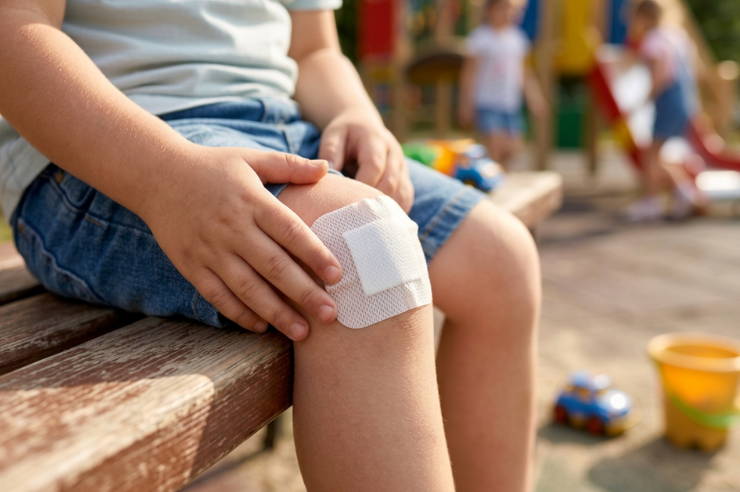
What Is an Island Dressing?
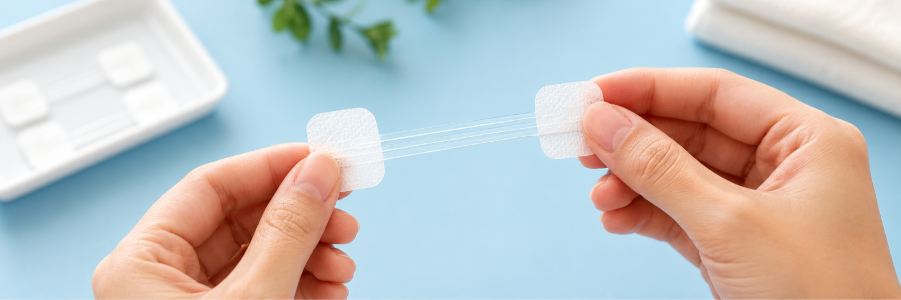
An island dressing is a wound dressing with two main parts. It has a soft, absorbent pad in the centre that sits over the wound and an adhesive border that sticks gently to the surrounding skin.
The centre pad absorbs wound fluid while helping protect the injured area. Because the pad is non-stick, it is less likely to pull on the wound when you remove the dressing.
Many healthcare professionals choose an adhesive island wound dressing after surgery, for cuts, and for wounds that need a clean, protected environment.
What Is Gauze Dressing?
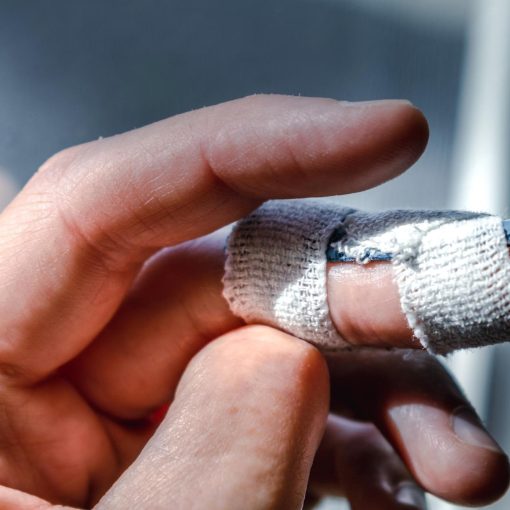
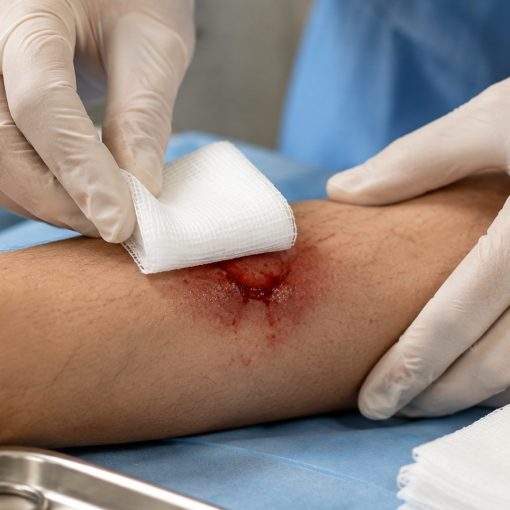
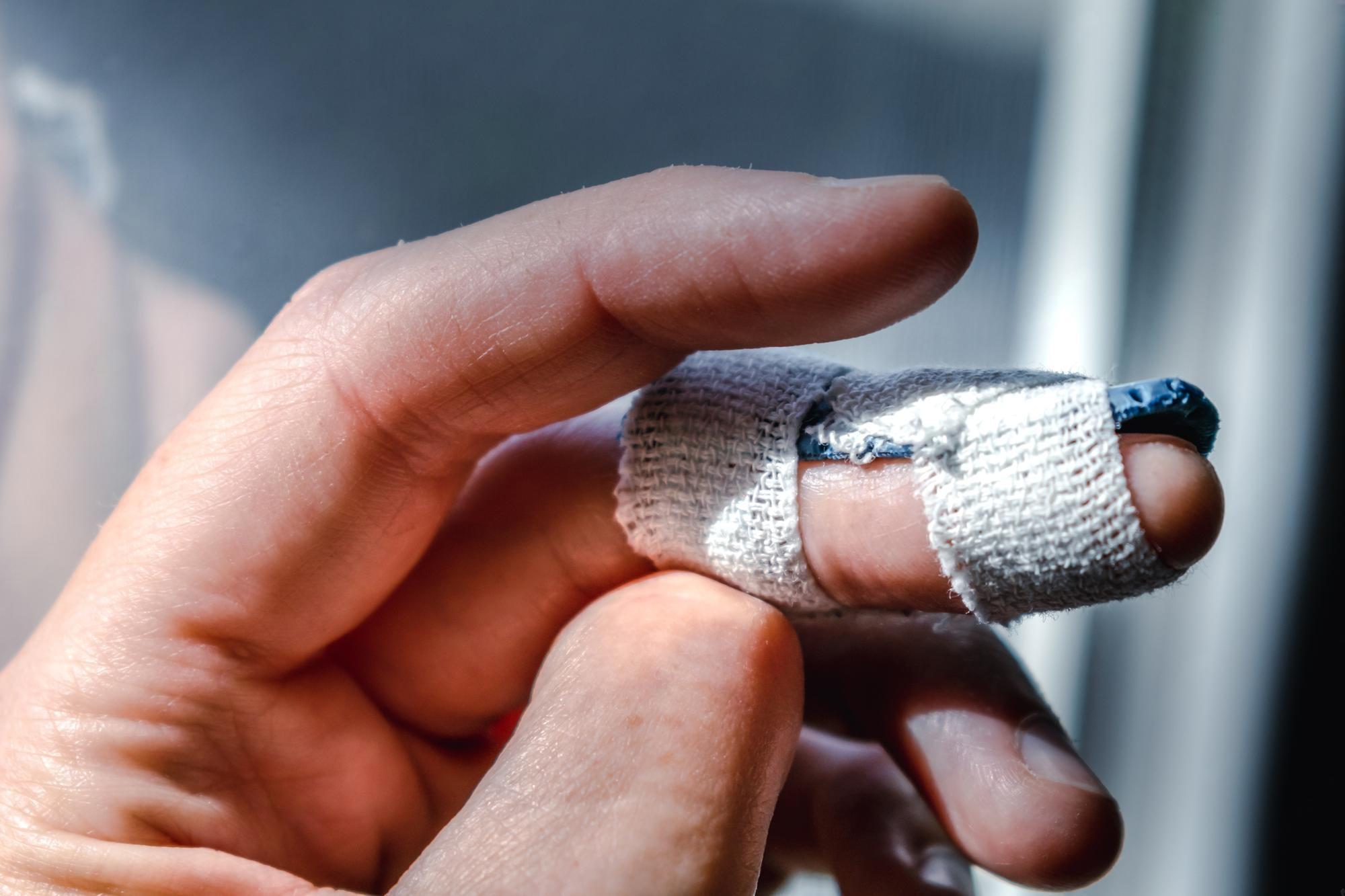
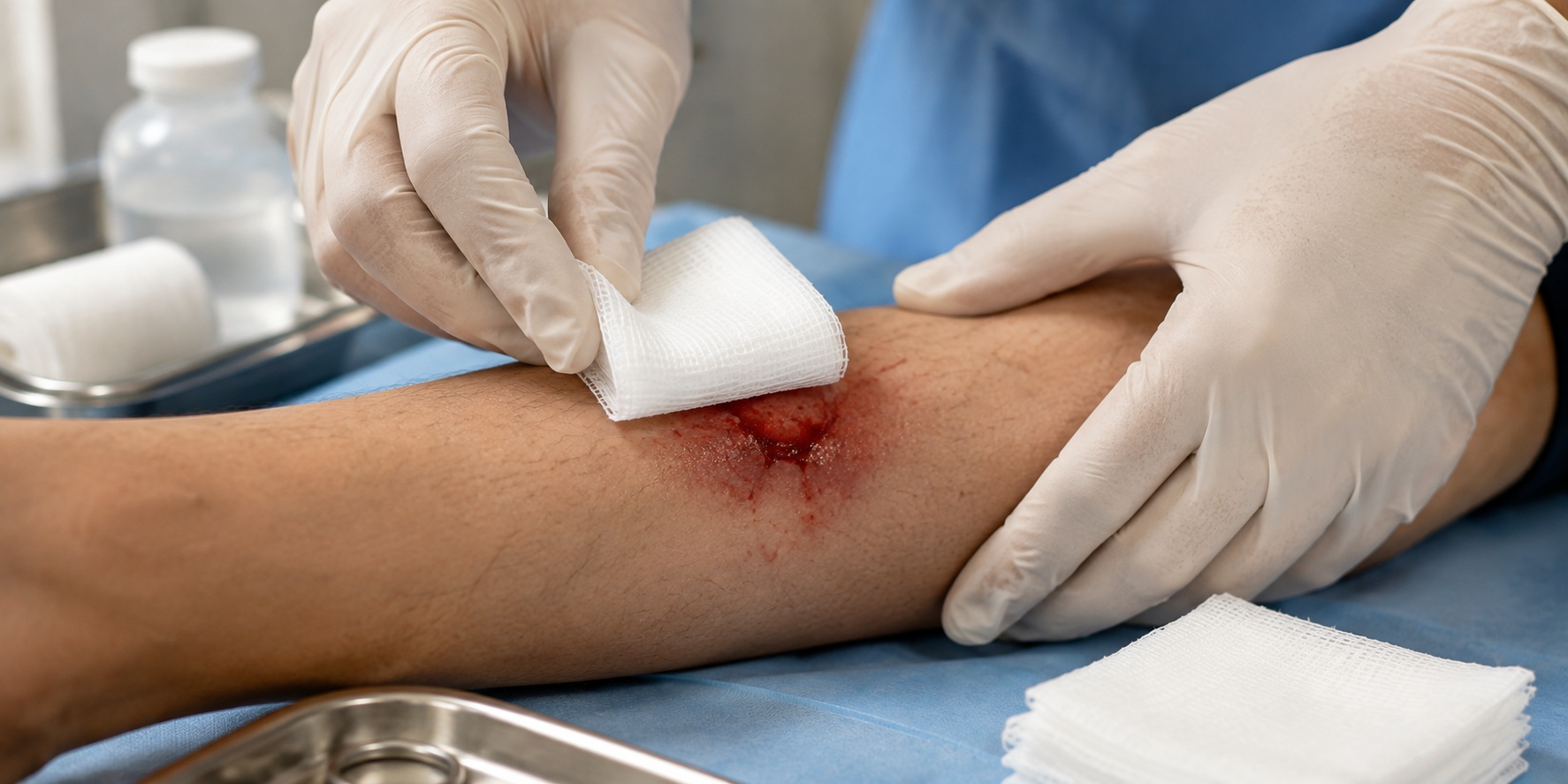
Gauze is one of the most common wound dressings. It is made from woven cotton or similar materials and is available in different sizes.
Unlike an island dressing bandage, gauze usually needs tape or a bandage to keep it in place. It can be useful for cleaning wounds, covering larger injuries, or adding extra absorbency when needed.
However, if the gauze dries onto the wound, removing it can sometimes be uncomfortable.
Island Dressing vs Gauze Dressing
Both dressings have their place in wound care, but they work differently.
Comfort
An island adhesive dressing is often more comfortable because the soft pad does not stick directly to the wound. This makes dressing changes easier and may reduce discomfort.
Gauze can become attached to the wound if it dries out, which may make removal more painful.
Protection
An island wound dressing creates a better seal around the wound. The adhesive border helps keep dirt and bacteria away while protecting the area from rubbing against clothing.
Gauze offers basic protection, but small gaps may allow dust or moisture to enter if it is not secured properly.
Easy to Apply
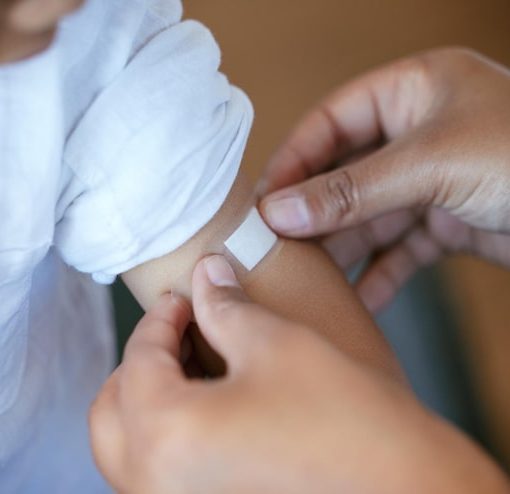
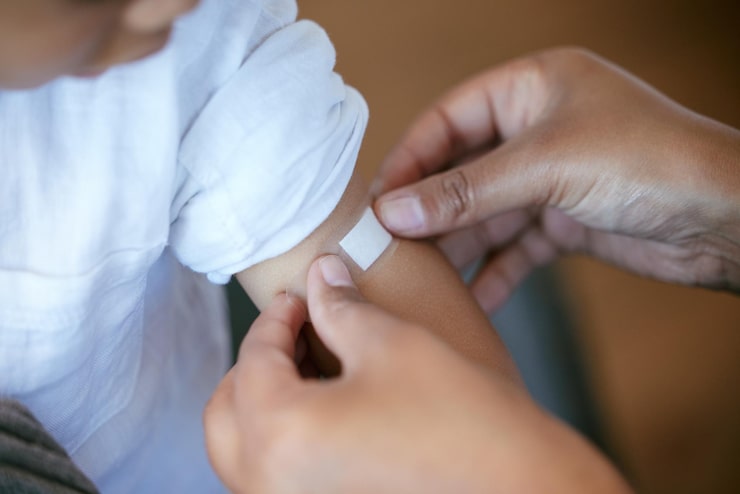
One reason many people like an adhesive island dressing is its simple design. You remove the backing, place it over the wound, and press down the edges.
Gauze usually needs medical tape or another dressing to hold it in place, so applying it can take a little longer.
Absorption
Both dressings absorb wound fluid, but many non woven island dressing products are made to absorb light to moderate amounts while keeping the wound covered.
For wounds with heavy drainage, healthcare professionals may recommend combining different dressing types.
Dressing Changes
Changing an island dressing sterile product is usually easier because the centre pad is made to reduce sticking.
With gauze, dried fibres may cling to the wound, especially if the dressing has been left on for too long.
When Is an Island Dressing the Better Choice?
An island dressing is often a better option when you want both protection and comfort.
It is commonly used for:
- Surgical wounds
- Stitches
- Small to medium cuts
- Minor burns
- Skin biopsy sites
- Healing wounds with light to moderate drainage
Because the dressing stays securely in place, it is also useful for areas that move during everyday activities.
When Is Gauze the Better Choice?
Gauze still plays an important role in wound care.
It is often used for:
- Cleaning wounds before dressing
- Packing deeper wounds when advised by a healthcare professional
- Covering large injuries
- Adding extra absorbency
- Emergency first aid situations
Gauze is also available almost everywhere, making it a practical choice in many settings.
Why Do Many Healthcare Professionals Choose Island Dressings?
There is a reason you often see adhesive island dressing products used in hospitals and clinics.
They offer several benefits, including:
- Simple and quick application
- Secure adhesive border
- Soft absorbent centre pad
- Less chance of sticking to the wound
- Comfortable to wear under clothing
- Good protection from outside dirt
These features help make wound care easier for both patients and healthcare professionals.
Tips for Choosing the Right Dressing
Not every wound needs the same type of dressing. Before choosing one, think about the wound itself.
Ask yourself:
- Is the wound clean?
- Does it have stitches?
- Is there a small or moderate amount of fluid?
- Will the dressing stay in place during daily activities?
If you answer yes to most of these questions, an island dressing may be the better option.
For larger wounds or wounds producing heavy drainage, speak with your healthcare provider before choosing a dressing.
The Australian Government’s Healthdirect also provides helpful information about caring for wounds and knowing when medical attention is needed.
How to Apply an Island Dressing
- Applying an island dressing is straightforward.
- Start by washing your hands thoroughly.
- Clean the wound as directed by your healthcare professional.
- Dry the surrounding skin carefully.
- Remove the backing from the dressing.
- Place the absorbent pad directly over the wound.
- Press the adhesive border firmly onto the skin.
- Make sure there are no wrinkles around the edges.
Replace the dressing whenever it becomes wet, dirty, loose, or as advised by your healthcare provider.
Can an Island Dressing Help Healing?
While no dressing heals a wound by itself, the right dressing creates a better environment for healing.
A non adherent wound dressing pad protects the wound from dirt and helps reduce unnecessary disturbance during dressing changes.
Keeping the wound clean, covered, and protected allows your body to focus on the natural healing process.
Final Thoughts
Choosing between gauze and an island dressing depends on the type of wound you have. Gauze remains useful for many situations, especially during first aid or when extra absorbency is needed. However, for many surgical wounds, cuts, and healing injuries, an adhesive island dressing offers greater comfort, better protection, and easier dressing changes.
If you are looking for dependable wound care products, Livingstone International offers high-quality island dressing 12 x 8.2cm, non woven island dressing, and other wound care solutions designed to support safe and effective wound management. Choosing the right dressing today can help make your recovery more comfortable tomorrow.
Frequently Asked Questions
1. What is an island dressing used for?
An island dressing is commonly used for surgical wounds, stitches, cuts, and other wounds with light to moderate drainage. It protects the wound while allowing the centre pad to absorb fluid without sticking to the healing skin.
2. Is an island dressing better than gauze?
It depends on your wound. Island dressings are often more comfortable and easier to apply because they have an adhesive border and a non-stick pad. Gauze is still useful for larger wounds and first aid situations.
3. How often should you change an island dressing?
You should change an island dressing when it becomes wet, loose, dirty, or as recommended by your healthcare professional. Regular dressing changes help keep the wound clean and protected during healing.
4. Can an island dressing be used after surgery?
Yes. Many healthcare professionals use sterile island dressings after surgery because they help protect stitches, absorb wound fluid, and reduce discomfort during dressing changes.
5. Does an island dressing stick to the wound?
No. Most island dressings have a non-adherent centre pad that is designed to reduce sticking. This makes removing the dressing gentler and more comfortable than some traditional gauze dressings.
6. Can you shower while wearing an island dressing?
Some island dressings offer limited water resistance, but not all are waterproof. Follow the product instructions and your healthcare provider’s advice to keep your wound clean and protected.