Your eyes are exposed to dust, small particles and other irritants throughout the day. In many situations, gentle rinsing may help remove loose debris and support basic eye hygiene. However, using the right product and following suitable instructions are important.
An eye bath cup is a simple product designed to hold a suitable eye-rinsing solution and help direct it around the eye area. Its compact design makes it easy to store and convenient to use when required.
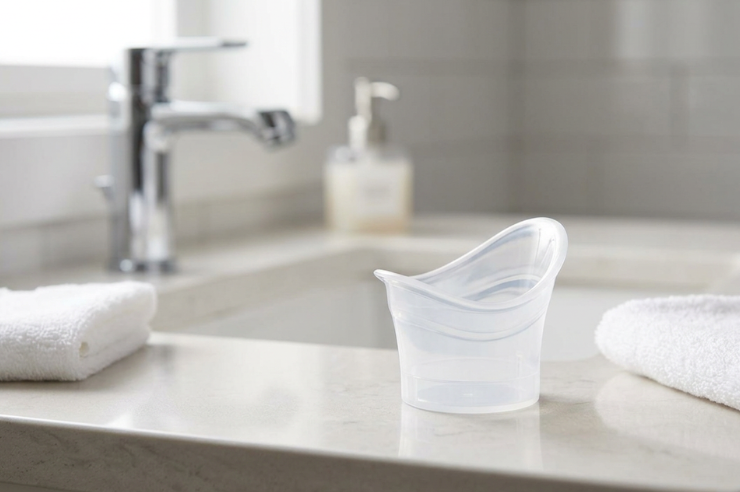
Livingstone International offers a practical eye bath with an egg-cup-style design. The product is made from recyclable plastic and is designed to fit comfortably around the eye area. It can be used with sterile solutions or clean water for gentle eye rinsing, depending on the situation and product instructions.
So, what makes an eye bath cup useful, and what should you consider before using one? This guide explains its purpose, features and practical benefits in simple terms.
Why Is Eye Rinsing Important?
Your eyes are sensitive, and even a small amount of dust or loose debris can cause discomfort. You may experience watering, irritation or the feeling that something is in your eye.
Gentle rinsing may help remove loose particles from the surface of the eye. It may also help wash away small amounts of dirt or other debris.
However, the cause of the irritation matters. Not every eye problem should be treated in the same way.
According to the Australian Government -supported health information service Healthdirect, small objects on the surface of the eye may be gently flushed with clean water or sterile saline. However, an object that is stuck in the eye should not be removed without medical help.
You should also avoid rubbing your eye. Rubbing may cause further irritation or make an injury worse.
How an Eye Bath Cup Can Support Convenient Rinsing
An eye bath cup provides a small and controlled space for holding an eye-rinsing solution.
Instead of trying to direct liquid towards the eye from a large container, you can use the cup to bring a suitable solution closer to the eye area. The rounded design may also make the process easier to manage.
The simple shape can offer several practical benefits:
- It is compact and easy to store.
- It can hold a small amount of suitable solution.
- The egg-cup-style design fits around the eye area.
- It is lightweight and easy to handle.
- It can be useful in first aid and personal care settings.
A plastic eye wash cup may also be convenient because it is lightweight and easy to carry. However, you should always check the product instructions and make sure the cup is clean before use.
Important Eye Bath Features to Consider
When choosing an eye bath cup, it is useful to look at a few key features.
Comfortable Shape
The shape of the cup should allow it to sit comfortably around the eye area. An egg-cup-style design can provide a practical fit and help hold the solution during rinsing.
Suitable Capacity
The cup should hold enough solution for the intended use without being difficult to manage.
The Livingstone clear eye bath has a 15 mL capacity. This compact size makes it suitable for holding a small amount of eye-rinsing solution.
Lightweight Material
A plastic eye bath cup is generally lightweight and easy to handle. This can make it a practical option for first aid kits, workplaces and personal care supplies.
Easy Cleaning
Cleanliness is important when using products around the eyes. The eye bath cup should be cleaned and maintained according to the manufacturer’s instructions.
If the cup is damaged, dirty or difficult to clean, it should not be used.
Clear Design
A transparent design can make it easier to see the solution inside the cup. You can also check the cup before use to make sure it is clean and free from visible debris.
How to Use an Eye Bath Cup
Before using an eye bath cup, read the product instructions and follow any advice provided by a healthcare professional.
The general process may include the following steps:
- Wash your hands: Clean hands can help reduce the risk of transferring dirt to the eye area.
- Check the eye bath cup: Make sure the cup is clean, undamaged and suitable for use.
- Add a suitable solution: Use only a solution that is appropriate for eye rinsing. Follow the product instructions and any medical advice you have received.
- Place the cup carefully around the eye: Keep the cup in a comfortable position and avoid pressing it too firmly against the eye area.
- Rinse gently: Follow the recommended method for the solution and product being used.
- Clean the cup after use: Maintain the product according to the manufacturer’s instructions.
These steps are general guidance only. Different products and situations may require different methods.
When Should You Seek Medical Help?
An eye bath cup may be useful for basic rinsing, but some eye problems need urgent medical attention.
Healthdirect advises that chemicals in the eye can cause serious injury. If a chemical enters your eye, you should begin flushing the eye immediately and seek emergency assistance.
You should also seek medical help if:
- You have severe or ongoing eye pain.
- Your vision becomes blurred or changes suddenly.
- An object is stuck or embedded in the eye.
- You have a deep cut or injury near the eye.
- Redness or irritation does not improve.
- You continue to feel that something is in your eye after rinsing.
Do not try to remove an object that is stuck in the eye. Avoid rubbing the eye or applying pressure.
An eye bath cup is a useful support product, but it is not a replacement for professional treatment when a serious injury may be present.
Where Can an Eye Bath Cup Be Useful?
An eye bath cup may be a practical addition to different settings.
At Home
You may choose to keep an eye cup with other basic first aid products. Its small size makes it easy to store in a suitable location.
In Workplaces
Workplaces may keep eye-rinsing supplies as part of their first aid arrangements. The products required will depend on the risks present in the workplace.
In Schools and Training Areas
Schools and training facilities may need suitable first aid supplies, especially where practical activities take place.
In Healthcare and Care Settings
Healthcare and care environments may use eye-rinsing products as part of their wider range of supplies. Staff should always follow workplace procedures and approved care guidelines.
The right products will depend on the setting and the level of risk. An eye bath cup should be part of a suitable first aid or eye-care plan rather than the only product available.
Choosing the Best Eye Bath Cup for Your Needs
The best eye bath cup is one that suits your intended use and is easy to handle and maintain.
Before making a purchase, consider the following questions:
- Is the shape comfortable and practical?
- Is the cup made from a suitable material?
- Is the capacity appropriate for your needs?
- Is it easy to inspect and clean?
- Does the product provide clear information about its use?
- Will it fit into your first aid or personal care supplies?
You should also consider how often the product will be used and where it will be stored.
A simple product may be the right choice when it provides the features you need without making the process difficult.
Conclusion
An eye bath cup is a simple and convenient product that can support gentle eye rinsing. Its compact shape makes it easy to handle, while an egg-cup-style design can help hold a suitable solution around the eye area.
When choosing an eye cup, consider its shape, capacity, material and ease of cleaning. You should also make sure it is suitable for your intended use and follow the relevant product instructions.
The Livingstone International clear eye bath offers a practical option for first aid and eye-rinsing needs. Its recyclable plastic construction, transparent design and egg-cup shape make it a convenient product to keep with suitable eye-care or first aid supplies.
Livingstone International provides a broad range of medical, healthcare and first aid products to support different workplaces and everyday care needs. By choosing suitable products and using them correctly, you can keep your supplies organised and better prepared for routine situations.
Frequently Asked Questions
1. What is an eye bath cup used for?
An eye bath cup is used to hold a suitable solution for gentle eye rinsing. It may help rinse loose debris or support basic eye hygiene when used correctly.
2. Can I use water in an eye bath cup?
Clean water may be used for basic eye rinsing in some situations. However, you should follow product instructions and seek medical advice if irritation or discomfort continues.
3. How do I clean a plastic eye wash cup?
Clean the cup according to the manufacturer’s instructions. Make sure it is free from visible dirt or damage before use, and store it in a clean location.
4. Is an eye bath cup suitable for removing chemicals?
Chemical exposure can be serious. Begin flushing the eye immediately and seek urgent medical help. An eye bath cup should not delay emergency treatment or professional care.
5. What should I look for in the best eye bath cup?
Look for a comfortable shape, suitable capacity, lightweight material and easy cleaning. The product should also provide clear instructions and match your intended use.
6. When should I see a doctor for eye irritation?
Seek medical advice if you have severe pain, vision changes, ongoing redness or irritation, or an object stuck in the eye. Serious eye injuries require prompt treatment.