The right medical consumable can make everyday healthcare tasks easier and more efficient. When choosing a catheter-tip syringe, small details such as the tip design, syringe capacity, clear markings and plunger movement can all affect how well the product suits your needs.
A syringe catheter tip is designed with a wider, tapered tip that may be used for irrigation, flushing and other suitable fluid-handling applications. However, catheter-tip syringes are not all the same. Their size, design, materials and packaging can vary, so it is important to understand the features before making a selection.
Livingstone International offers a range of medical consumables designed to support healthcare professionals and organisations. Its catheter-tip syringes provide practical features for suitable clinical and healthcare applications.
In this guide, you will learn which features to consider when choosing a catheter-tip syringe and why each one matters.
Understand the Catheter-Tip Design
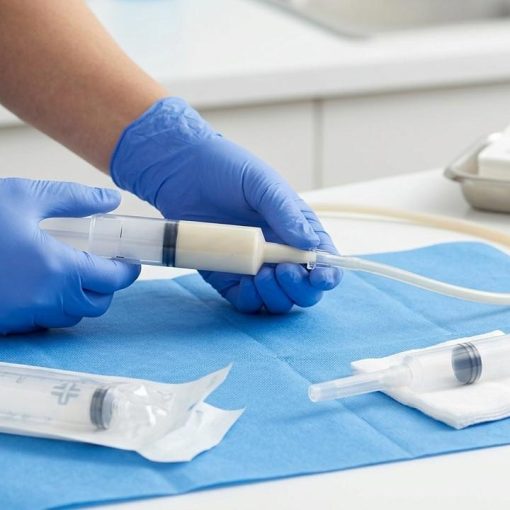
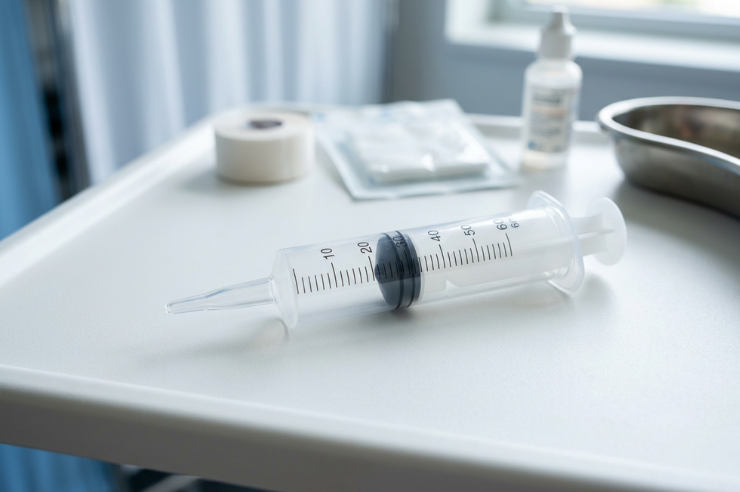
The tip is one of the first features to check. A catheter tip is longer and more tapered than many standard syringe tips. Its wider design can make it suitable for certain irrigation and fluid delivery tasks.
You may ask, what is a catheter tip syringe used for? Depending on the product and healthcare setting, it may be used for irrigation, flushing and other applications that require a wider connection.
However, the intended use can vary. You should always read the product information and follow the correct clinical procedures. A catheter-tip syringe should only be used for applications that are appropriate for its design.
Before buying, check that the tip is compatible with the equipment or procedure you have in mind.
Choose the Right Syringe Capacity
Catheter-tip syringes are available in different capacities. The right size depends on the amount of fluid needed and the intended application.
A larger syringe may be useful when more fluid needs to be delivered or collected. For example, a 60 mL syringe provides a larger capacity than smaller syringe options.
However, bigger is not always better. A large syringe may not be suitable for every task. You should consider the required volume, the working environment and the relevant procedure before choosing a size.
Livingstone’s catheter-tip syringe is available in a 60 mL size. The larger capacity can make it a practical option for suitable irrigation and healthcare applications.
Look for Clear and Easy-to-Read Markings
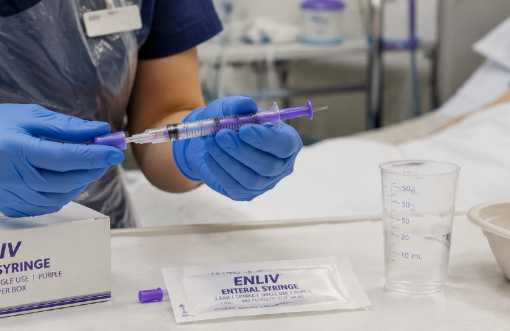
Clear measurement markings are important when you need to check the amount of fluid in the syringe.
The markings should be easy to see and understand. This can help users measure the required volume more accurately and reduce the risk of mistakes.
A clear barrel can also make it easier to view the contents of the syringe. It may help you notice air bubbles or check the fluid level during use.
Before selecting a product, review the scale and make sure the markings are suitable for your needs. If accurate measurement is important for the procedure, clear graduations should be a priority.
Check the Barrel Quality
The syringe barrel should be strong, clear and comfortable to hold. A transparent barrel allows the user to see the fluid inside and monitor the level during use.
A clear barrel can also support better visibility when preparing or delivering fluid. This may make the process easier, particularly in busy healthcare settings.
The barrel should also provide a firm grip. A well-designed syringe can be easier to control and may support smoother handling.
When comparing products, check the material and product details. You should choose a syringe that is suitable for the working conditions and intended application.
Consider the Plunger Movement
A smooth plunger can make the syringe easier to use. The plunger should move steadily without feeling too tight or difficult to control.
Controlled movement is useful when fluid needs to be delivered gradually. It can also make the syringe more comfortable to operate during longer tasks.
Some catheter-tip syringes include a gasket to support a secure seal between the plunger and barrel. This may help maintain smooth movement and reduce unwanted leakage.
Livingstone’s catheter-tip syringe range includes features such as a smooth operating plunger and a double-contact gasket designed to support an airtight seal.
Look for a Secure Connection
A secure connection is another important feature. The syringe tip should connect properly with suitable equipment to help reduce movement or leakage during use.
Some products include a threaded locking collar that provides additional support at the connection point. This feature may help create a more secure fit when used with compatible equipment.
You should always check compatibility before connecting a syringe to another device. Do not force the tip into equipment that is not designed to fit it.
The correct connection depends on the syringe design and the equipment being used. Always follow the manufacturer’s instructions and relevant workplace procedures.
Consider a Catheter-Tip Syringe With a Cap
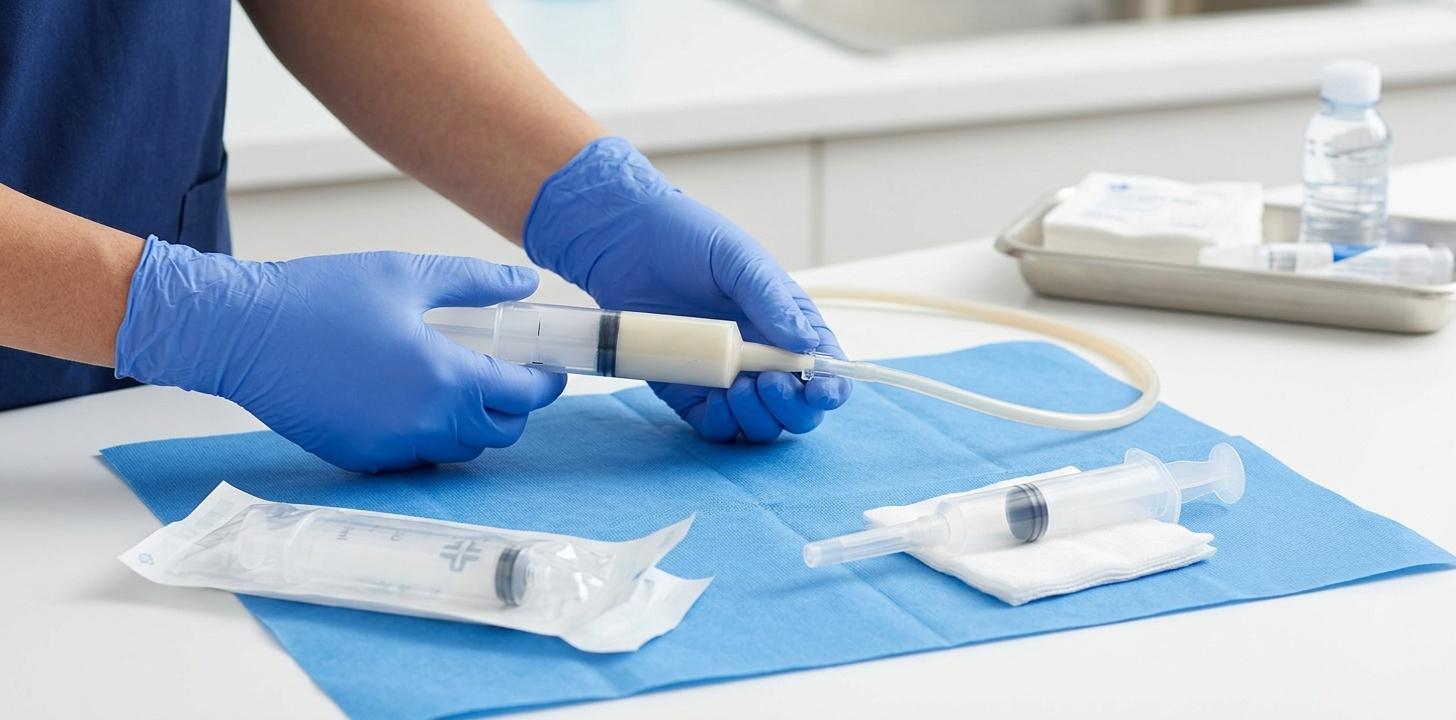
A catheter tip syringe with cap may offer additional protection for the tip before use. The cap can help keep the tip covered during storage and handling.
A covered tip may also be useful when the syringe needs to be prepared before a procedure. However, the cap should remain in place until the product is ready to be used.
Check whether the cap is included and whether it is suitable for your storage and handling needs. You should also inspect the product before use to make sure it is clean and undamaged.
Livingstone’s 60 mL catheter-tip syringe is supplied with a cap and is available in a convenient box format for professional use.
Check Whether the Syringe Is Sterile
Sterility is an important feature for many healthcare applications. A sterile catheter tip syringe is supplied in packaging designed to maintain the product’s condition until it is opened.
Before use, check that the packaging is sealed and free from damage. Do not use a sterile product if the pack is open, torn, wet or damaged.
Sterile products should also be stored according to the manufacturer’s instructions. Proper storage can help protect the product until it is needed.
For catheter care, good hygiene is important. Healthdirect advises washing your hands before and after touching a catheter and keeping the catheter area clean.
The correct use of sterile products should always follow workplace policies and advice from qualified healthcare professionals.
Review the Product Material
The material used to make the syringe can affect its handling and suitability. Many disposable syringes are made from clear plastic that allows easy viewing of the contents.
You may also want to check whether the product is latex-free or hypoallergenic. These features can be important in healthcare environments where material sensitivity needs to be considered.
Livingstone’s catheter-tip syringe is listed as latex-free, hypoallergenic and sterile.
Always review the full product information before purchasing. Product features can vary between sizes and models.
Check the Packaging and Quantity
Packaging is another detail that should not be overlooked. Healthcare facilities may require several syringes for regular use, so the number of products in each box can affect purchasing decisions.
A larger box may be useful for busy clinics and healthcare organisations. However, smaller quantities may be more practical when demand is lower.
You should also consider how the products are packed. Individual sterile packaging may support clean handling and help reduce unnecessary exposure before use.
Check the box quantity, storage requirements and expiry information where applicable. This can help you select a suitable option for your workplace.
Conclusion
Choosing a catheter-tip syringe involves more than selecting the right capacity. The tip design, clear barrel, measurement markings, plunger movement, secure connection and packaging can all affect how suitable the product is for your needs.
Livingstone International offers a wide selection of medical consumables designed for healthcare professionals and organisations. Its catheter-tip syringes provide practical features, including clear barrels, smooth plunger movement and secure design elements, to support suitable healthcare applications. By choosing the right product for your needs, you can support safer, more organised and efficient everyday care.
1. Can a catheter-tip syringe be used for wound irrigation?
A catheter-tip syringe may be used for wound irrigation when it is suitable for the procedure and used according to clinical guidance. The correct syringe size and technique should be selected carefully.
2. What size catheter-tip syringe is best for irrigation?
The right size depends on the amount of fluid required and the intended procedure. A 60 mL catheter-tip syringe is commonly selected for suitable irrigation tasks because of its larger capacity.
3. Can you attach a catheter-tip syringe to all types of tubing?
No. Catheter-tip syringes are not compatible with every type of tubing or medical device. Always check the tip design, connection size and manufacturer’s instructions before use.
4. Why does a catheter-tip syringe need a secure cap?
A cap helps protect the syringe tip from dust, damage and unnecessary contact during storage and handling. It should remain in place until the syringe is ready for use.
5. What should you check before using a sterile catheter-tip syringe?
Check that the packaging is sealed, dry and free from damage. You should also confirm the expiry information, product size and suitability for the intended healthcare procedure.
6. Can a catheter-tip syringe be reused after it has been opened?
Most disposable catheter-tip syringes are designed for single use and should not be reused. Always follow the manufacturer’s instructions and your workplace infection-control procedures.