Laboratory work often depends on small tools that make everyday tasks easier. Pasteur Pipettes are one such tool. They may look simple, but they play an important role in transferring and dispensing small amounts of liquid.
Whether you work in a medical laboratory, research facility, school or testing environment, using suitable equipment can support a smoother workflow. The quality of your laboratory supplies also matters. A reliable pipette can be easier to handle and help you complete routine tasks with greater control.
Livingstone International offers a wide range of laboratory products, including quality Pasteur Pipettes designed for practical liquid handling. Choosing the right pipette can help you keep your work organised while supporting safe and efficient laboratory practices.
What Are Pasteur Pipettes?
Pasteur Pipettes are simple tools used to move small amounts of liquid from one container to another. You will often find them in laboratories for transferring samples, adding liquids and dispensing drops.
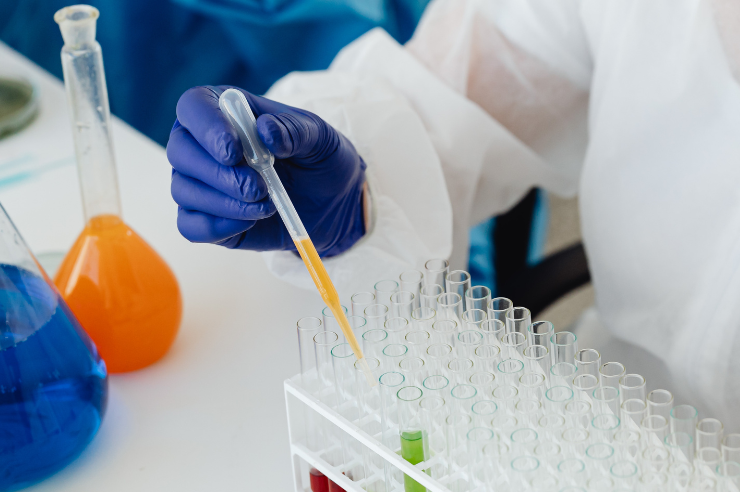
A typical pipette has a narrow tip and a flexible section. You gently squeeze the flexible part to draw up liquid. Then you release pressure to dispense it. It is a straightforward process that works well for many routine tasks.
Pasteur Pipettes come in different materials and designs. Some are made from glass. Others are made from plastic. A plastic pipette is lightweight and suitable for many routine laboratory applications.
It is important to understand that Pasteur Pipettes are mainly designed for liquid transfer and dispensing. They are not suitable when you need highly accurate volume measurements. For precise measurements, you should use equipment designed specifically for that purpose.
Why Does Quality Matter?
Quality is important because laboratory work often involves careful procedures. Even a simple task can become difficult if the equipment is poorly designed or unsuitable for the application.
A quality pipette can support:
- Easier liquid transfer
- Better control when dispensing
- Consistent handling
- A more organised workflow
- Suitable use for the intended task
For example, a pipette that is comfortable to hold may be easier to use during repeated tasks. A suitable tip can also help you direct liquid into a small container or add it in controlled drops.
However, the right pipette depends on your specific needs. You should always consider the liquid being handled, the amount required and the laboratory procedure you are following.
Supporting Efficient Liquid Handling
Laboratory staff may need to transfer liquids many times during the day. Using a simple and reliable pipette can make these tasks easier.
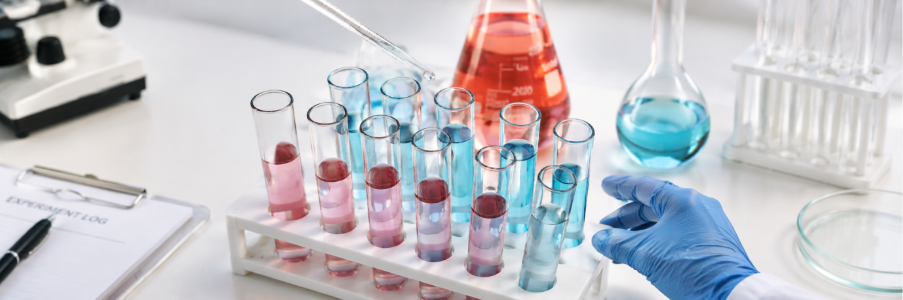
Pasteur Pipettes allow you to move small amounts of liquid without using larger equipment. They may be useful when adding a reagent, transferring a sample or placing liquid into a test tube.
The narrow tip can help direct the liquid towards a specific area. This may provide more control than pouring directly from a container.
For example, if you need to add a small amount of liquid to a test tube, a pipette can help you complete the task carefully. Gentle pressure can also allow you to release the liquid slowly.
The pipette should always be used according to your workplace procedures. The correct method may vary depending on the type of liquid and the laboratory application.
The Benefits of a Capillary Tip
Some Pasteur Pipettes have a fine capillary tip. This narrow design can support controlled liquid handling and drop-by-drop dispensing.
Capillary Pasteur Pipettes may be useful when you need to transfer a small amount of liquid or direct it into a specific area. The fine tip can provide practical control during suitable laboratory tasks.
Before choosing a pipette, ask yourself:
- What type of liquid will you be handling?
- Do you need to transfer or dispense the liquid?
- Is drop-by-drop control important?
- Does the task require exact measurements?
- Is a fine capillary tip suitable for the application?
These questions can help you select a product that matches your laboratory requirements.
How to Use a Capillary Pipette
If you are learning how to use a capillary pipette, you should always follow your laboratory procedures and the manufacturer’s instructions.
The general process may include the following steps:
Prepare your work area. Make sure the area is clean and that you have all the required materials.
Check the pipette. Inspect it before use and make sure it is suitable for the task.
Draw up the liquid. Gently squeeze the flexible section. Place the tip into the liquid and slowly release the pressure.
Move the liquid carefully. Keep the pipette stable and avoid touching the tip to unsuitable surfaces.
Dispense the liquid. Apply gentle pressure to release the liquid. Use slow and controlled pressure when dispensing drops.
Dispose of the pipette correctly. Follow your workplace procedures and the product instructions after use.
These are general steps only. Your laboratory’s approved procedures should always take priority, especially when working with chemicals, clinical samples or other materials that may present a risk.
Supporting Clean Laboratory Practices
Clean handling is an important part of laboratory work. If a pipette becomes contaminated, it may affect the sample or interfere with the testing process.
For this reason, you should handle the pipette carefully and avoid unnecessary contact with the tip. Keep clean and used products separate, and follow your laboratory’s disposal procedures.
Some pipettes are supplied sterile. Sterile products may be suitable for applications where a clean product is required. However, they still need to be opened and handled correctly.
Good laboratory practices may also include:
- Keeping work areas clean
- Wearing suitable protective equipment
- Following approved procedures
- Storing products correctly
- Using the right equipment for each task
In Australia, pathology services operate within an accreditation system that supports quality and patient safety. You can find more information through the Australian Government’s pathology information page.
Why Choose a Plastic Pipette?
A plastic pipette can be a practical choice for many routine laboratory tasks. It is generally lightweight and easy to handle.
Depending on the product, plastic pipettes may also be designed for single use. This can help support clean handling and reduce the risk of cross-contamination when used according to laboratory procedures.
Other benefits may include:
- Lightweight construction
- Easy handling
- Simple liquid transfer
- Convenient dispensing
- Suitable options for routine applications
Before use, always check the product details. Not every plastic pipette is suitable for every liquid. You should review the material, intended use and compatibility requirements before selecting a product.
Choosing the Right Pasteur Pipettes
There are several factors to consider when choosing Pasteur Pipettes.
First, think about the material. Plastic and glass products have different properties. You should select a suitable option for your application.
Next, consider the capacity. Choose a pipette that can handle the amount of liquid required for your work.
The tip design is also important. A fine capillary tip may be useful when controlled dispensing is needed.
You should also check whether sterility is required. Some laboratory procedures may need sterile products, while others may not.
Finally, consider the product’s intended use. A pipette used for transferring liquid may not be suitable for precise measurement. Always select equipment that matches the task.
Conclusion
Pasteur Pipettes may be simple laboratory tools, but they support many important tasks. They can help you transfer small amounts of liquid, dispense drops and manage routine samples in a practical way.
Quality matters because a suitable pipette can support easier handling, better control and a more efficient workflow. When choosing a product, consider its material, capacity, tip design and intended use.
Livingstone International provides a broad range of laboratory products to support research, testing, healthcare and everyday laboratory work. Our Pasteur Pipettes offer a practical option for controlled liquid transfer.
By choosing suitable laboratory supplies from Livingstone International, you can help keep your workplace organised and ensure your team has access to products that support its daily needs.
Frequently Asked Questions
1. What are Pasteur Pipettes used for?
Pasteur Pipettes are used to transfer or dispense small amounts of liquid. They are commonly used for routine laboratory tasks, sample handling and controlled drop-by-drop liquid application.
2. Are Pasteur Pipettes suitable for accurate measurements?
Pasteur Pipettes are mainly used for transferring and dispensing liquids. If your work requires highly accurate volume measurements, use specialised measuring equipment designed for precision.
3. What are Capillary Pasteur Pipettes?
Capillary Pasteur Pipettes have a fine, narrow tip. This design can support controlled liquid transfer and allow users to dispense small amounts of liquid in drops.
4. How do you use a capillary pipette?
Gently squeeze the flexible section, place the tip into the liquid and release slowly. Move the pipette carefully, then apply gentle pressure to dispense the liquid.
5. Why are plastic pipettes useful?
Plastic pipettes are lightweight, easy to handle and practical for many routine tasks. Some products are also supplied sterile and may be suitable for single-use applications.
6. How should used Pasteur Pipettes be disposed of?
Used Pasteur Pipettes should be disposed of according to your laboratory’s approved procedures. Disposal requirements depend on the materials handled and the product’s intended use.