Why do most standard dressings fall short in everyday wound care?
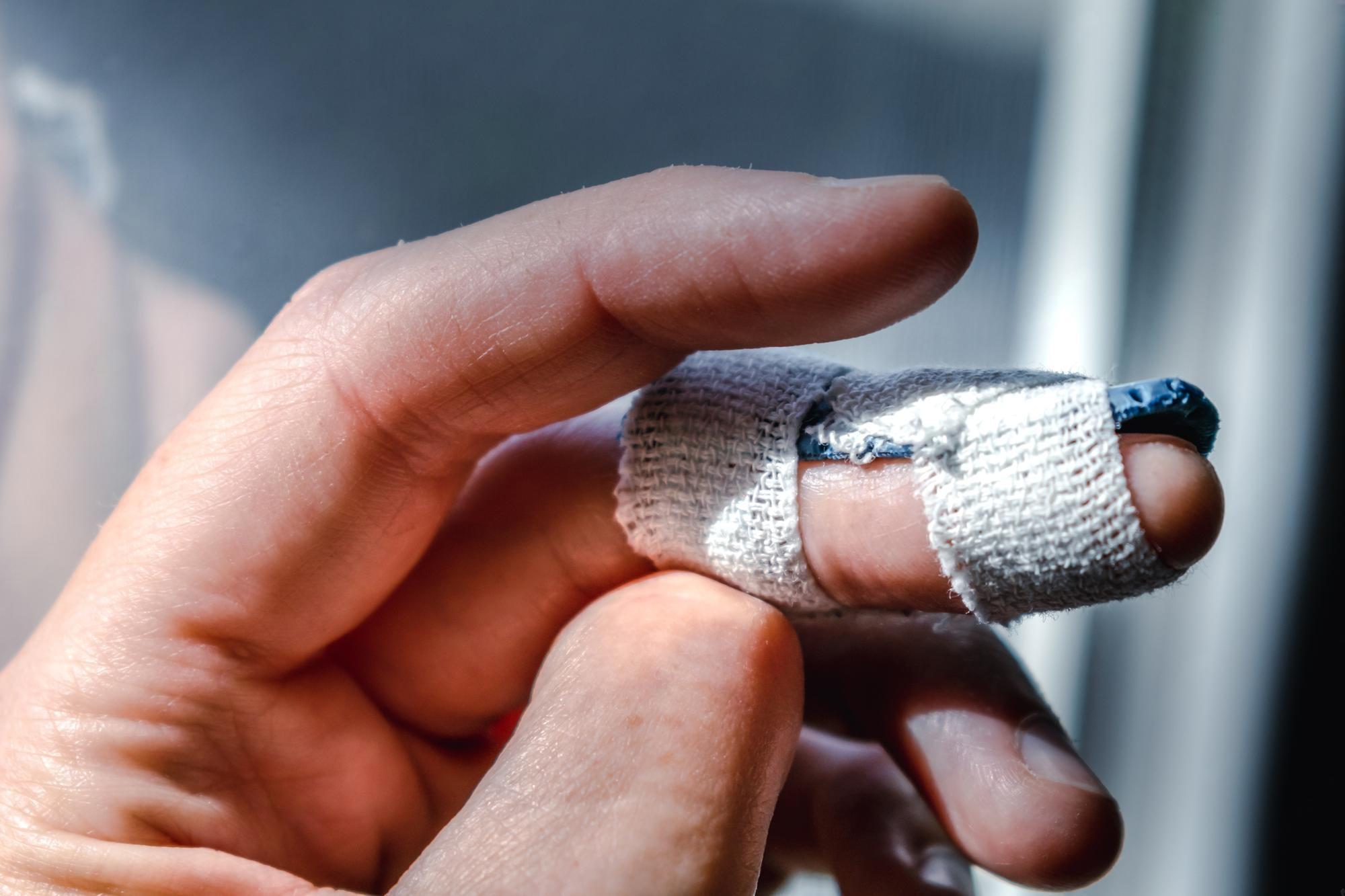
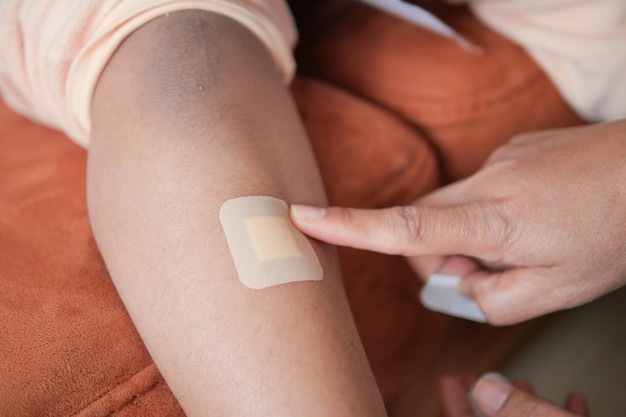
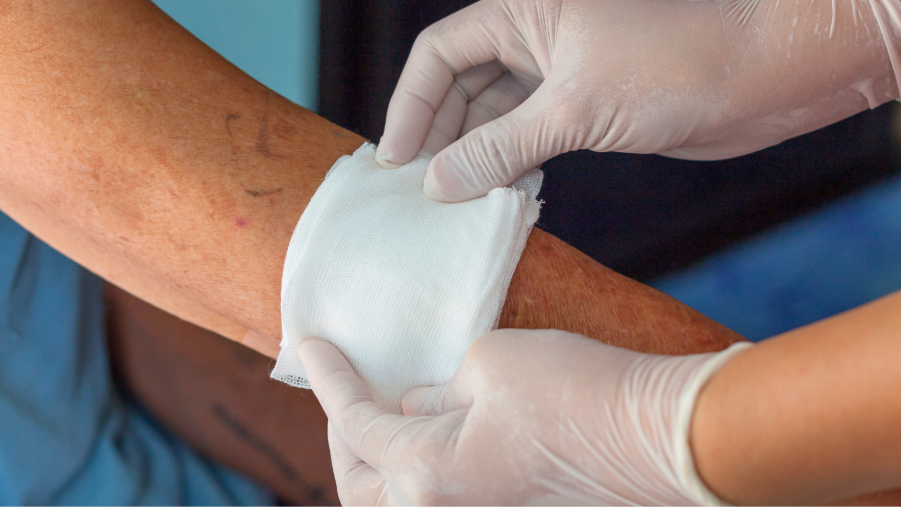
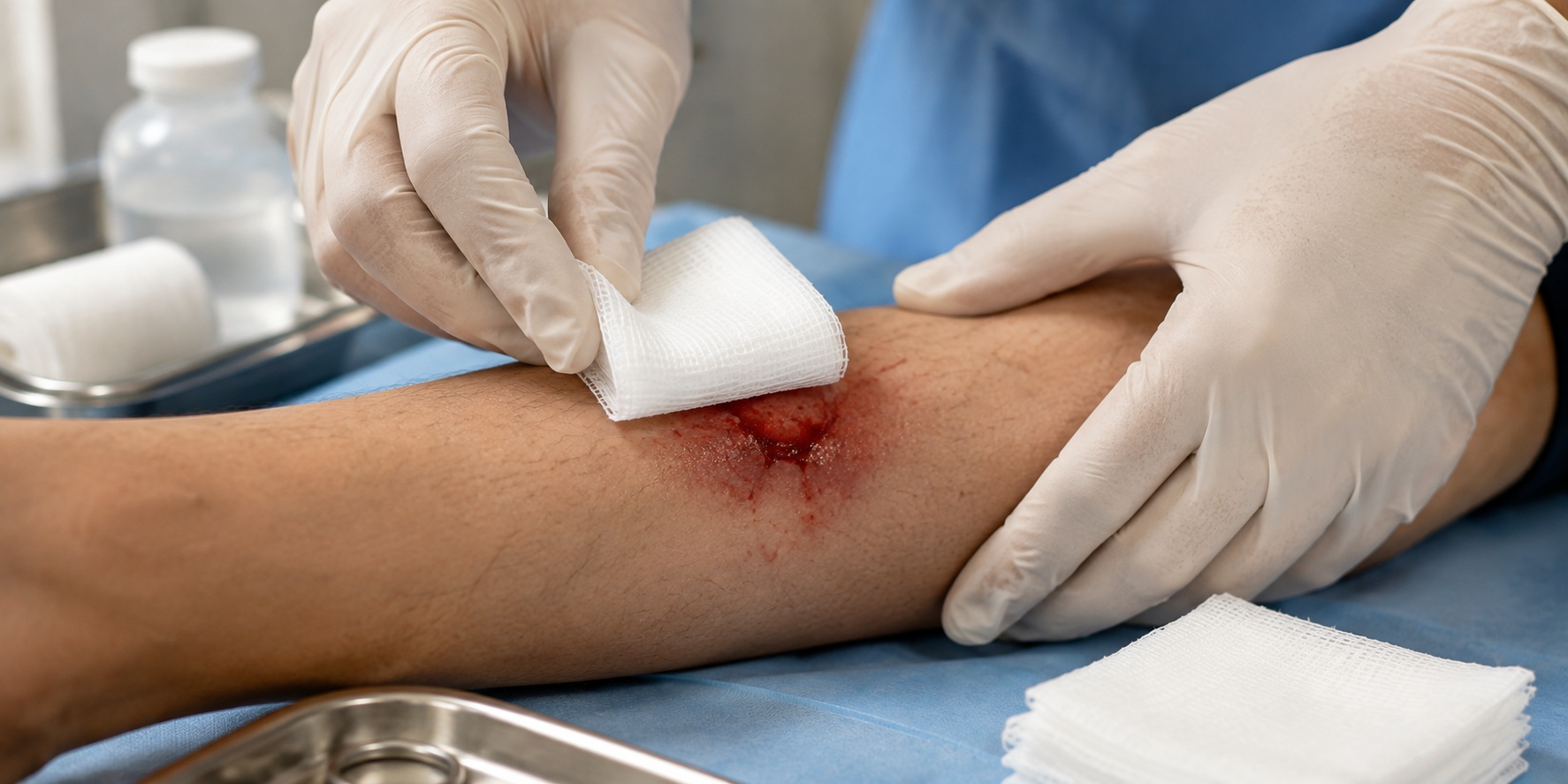
Most people don’t think about their wound dressing until it falls off in the shower, peels at the edges, or needs to be removed and reapplied every day. Standard fabric dressings absorb moisture, lose adhesion in warm or wet conditions, and block any view of how the wound underneath is actually healing. Livingstone Transparent Film Dressing addresses these common challenges with a thin, flexible, waterproof, and transparent design that helps protect the wound while allowing continuous visibility throughout the healing process. It is a practical wound care solution for first aid kits, workplace treatment rooms, and everyday wound management across Australia.
What Is a Transparent Film Dressing?
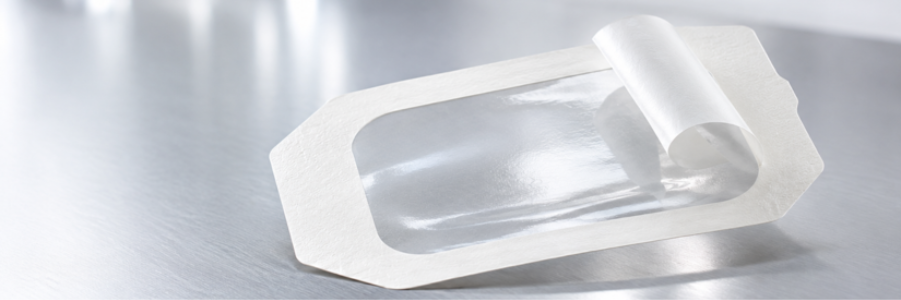
A transparent film dressing is a thin, sterile polyurethane membrane coated on one side with a medical-grade adhesive. It adheres directly to the skin around a wound, creating a sealed, protective barrier over the wound site without the need for a separate pad or absorbent layer. The film is impermeable to liquid water and bacteria but permeable to moisture vapour and atmospheric gases, which means the wound environment stays appropriately moist while excess vapour can escape through the dressing.
Unlike traditional fabric dressings, transparent film dressing is completely see-through. This allows the wound to be visually assessed at any time without disturbing the dressing, removing it, or disrupting the healing environment that has built up beneath it.
What Is a Transparent Film Dressing Used For?
Transparent film dressings are versatile and suited to a range of wound types and clinical applications. Their key strength is providing a protective, moist wound environment for wounds with little to no fluid output.
- Superficial abrasions and minor lacerations where the wound is shallow and producing minimal fluid
- Post-surgical incision sites following suture or staple placement, where a protective waterproof barrier supports healing
- Stage I and II pressure injuries where the skin is intact or minimally broken and protection from friction is required
- IV and catheter site securement, where the dressing holds the device in place while allowing visual monitoring of the insertion site
- Skin donor sites and minor burn areas requiring a moist healing environment
- Secondary dressing over primary wound care products to provide additional waterproof protection
- Blister and abrasion protection in workplace and sporting environments where ongoing activity cannot be avoided
Why Does Being Waterproof and Breathable Matter for Wound Healing?
These two properties might sound contradictory, but they are what makes a transparent film dressing so effective. The polyurethane film is engineered to be impermeable to liquid water and external bacteria while allowing moisture vapour to pass outward through the membrane. This one-way vapour transmission prevents the wound environment from becoming overly saturated while still maintaining the moist surface that supports cellular repair and tissue regeneration.
Research in wound care consistently supports moist wound healing as superior to dry wound management for most wound types. A transparent film dressing maintains the optimal surface moisture level without trapping excess fluid, making it particularly well suited to low-exudate wounds.
Can You Shower with a Transparent Film Dressing On?
Yes. This is one of the most practical benefits of a 10x12cm film dressing for everyday use. Because the dressing is fully waterproof on its outer surface, it does not need to be removed before showering, bathing, or washing. This eliminates the disruption of daily dressing removal and reapplication, reduces the risk of wound contamination during hygiene activities, and significantly improves comfort and compliance for patients managing wounds at home or continuing to work while recovering from a minor injury.
What Are the Key Benefits of a Transparent Film Dressing in a First Aid Setting?
Wound Monitoring Without Disturbing the Dressing
The see-through nature of a transparent film dressing allows first aiders and carers to visually assess the wound at any time without removing the dressing. Signs of infection, fluid accumulation, or wound closure progress can all be monitored through the dressing, reducing the frequency of unnecessary dressing changes.
Flexibility for Difficult Wound Locations
Transparent film dressings are highly conformable, meaning they flex and move with the skin rather than sitting rigid across the wound site. This makes them practical for wound locations on joints, knuckles, elbows, and knees, where a standard dressing would buckle, lift the edges, or restrict movement.
Bacterial Barrier Without Bulk
The film is impermeable to bacteria, viruses, and external contaminants, providing a reliable infection barrier without the bulk of a multi-layer fabric dressing. In workplace first aid settings where treated workers may return to an environment with dust, grease, or biological contamination, this is a meaningful protection advantage.
Reduced Frequency of Dressing Changes
A well-applied transparent film dressing on a low-exudate wound can remain in place for several days, reducing the number of dressing changes required and the associated disruption to the wound environment.
When Should a Transparent Film Dressing Not Be Used?
A transparent film dressing is not appropriate for all wound types. Understanding its limitations is as important as knowing its applications.
- Heavily exuding wounds: the film has no absorbent capacity and will allow fluid to pool under the dressing, potentially causing maceration of the surrounding skin
- Infected wounds: transparent film dressings should not be used as a primary dressing over clinically infected wound
- Fragile or compromised periwound skin: the adhesive requires intact surrounding skin to adhere effectively
- Deep or full-thickness wounds: these require absorbent primary dressings appropriate to the wound depth and exudate level
The Livingstone Transparent Film Dressing
The Livingstone Transparent Film Dressing is a medical-grade polyurethane film dressing providing a waterproof, breathable, and transparent wound barrier. At 10 x 12cm, it is a practical size for the majority of workplace and everyday first aid applications, providing adequate coverage around the wound with sufficient adhesive border to maintain a secure seal.
Available in boxes of 50, it is well suited to workplace first aid rooms, community nursing, home care, and any setting requiring reliable wholesale wound care supplies. For a full range of wound care dressings, explore the Livingstone Wound Care Dressings Collection.
Frequently Asked Questions
How do you apply a transparent film dressing correctly?
Clean and dry the wound and surrounding skin before application. Remove the backing paper and apply the film over the wound, ensuring the adhesive border extends at least 2 to 3cm beyond the wound edges on all sides. Smooth from the centre outward to remove air pockets. Avoid stretching the film during application, as tension can cause skin irritation and premature lifting.
How long can a transparent film dressing stay on?
On a low-exudate wound with intact surrounding skin, a transparent film dressing can remain in place for up to seven days. The dressing should be changed immediately if fluid accumulates under the film, if the adhesive border lifts significantly, or if any signs of wound infection develop.
Is a 10x12cm film dressing the right size for most wounds?
A 10 x 12cm transparent film dressing is one of the most versatile sizes for general first aid and wound care applications. It provides enough surface area to cover the majority of minor to moderate superficial wounds. For very small wounds, a smaller size may be more appropriate. For larger wounds or post-surgical sites, a larger film or a combined film-and-pad dressing may be required.
Tips for Getting the Best Results from a Transparent Film Dressing
- Always clean and thoroughly dry the periwound skin before application; moisture under the adhesive border reduces adhesion and shortens wear time
- Avoid applying over skin that has been prepared with alcohol-based products until the skin is fully dry
- Do not stretch the film during application; apply it flat and smooth to prevent edge lifting and skin irritation from tension
- To remove, lift one corner and stretch it parallel to the skin surface rather than pulling it upward at an angle; this reduces adhesive trauma to the surrounding skin
- Monitor the wound daily through the dressing; change if significant fluid accumulation, infection signs, or lifting at the edges is observed
- Store unused dressings in a cool, dry location away from direct sunlight to preserve sterility and adhesive performance
Wound Care That Keeps Up with Real Life
A transparent film dressing does something that most standard first aid dressings cannot: it protects the wound, supports the healing environment, and stays reliably in place through showers, physical activity, and daily work, all while letting you see exactly what is happening underneath.
When wound care needs to fit around life rather than interrupt it, a 10x12cm film dressing is the practical, professional choice.
References
Carbou Care 2025, Transparent film dressing, Carbou Care, viewed June 2026.
Ceeport 2025, What is a transparent film dressing used for?, Ceeport Wound Education, viewed June 2026.
Superior Healthcare 2026, Waterproof dressing: which type works best and when to use each one, Superior Healthcare, viewed June 2026.
Wound Source 2025, Transparent film dressings, Wound Source, viewed June 2026.