Dental practices rely on a wide range of equipment every day, from autoclaves and ultrasonic cleaners to laboratory devices that require consistent performance. While many practices invest in high-quality equipment, one maintenance factor is often overlooked: the quality of the water used during cleaning, sterilisation and laboratory procedures.
Using the correct water source helps protect valuable equipment, reduces maintenance requirements and supports reliable sterilisation outcomes. Distilled demineralised water removes many of the minerals commonly found in tap water that contribute to scale formation, corrosion and equipment wear.
Whether you operate a busy dental surgery, laboratory or specialist practice, choosing distilled water is a simple step that can help extend equipment lifespan while supporting efficient daily operations. Livingstone Distilled Demineralised Water provides a practical solution for everyday dental and laboratory applications, helping reduce mineral scale within compatible equipment while supporting routine maintenance programs. For practices looking to simplify purchasing, Livingstone also offers a dedicated Autoclave Water & Accessories Collection, allowing you to conveniently explore compatible distilled water products and other essential accessories for sterilisation equipment in one place.
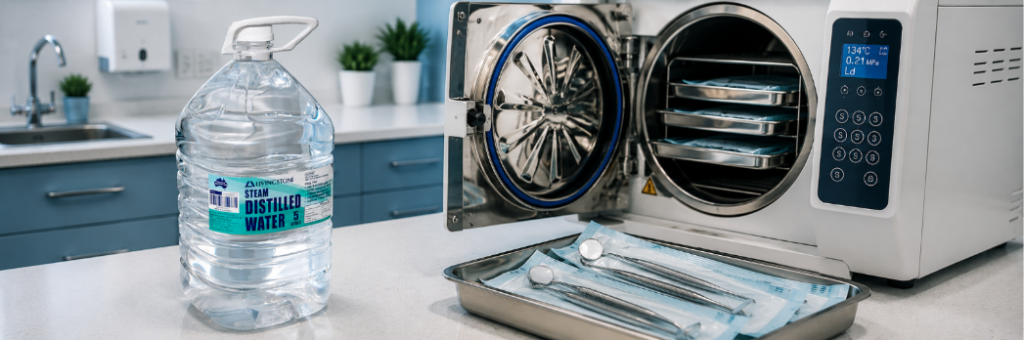
Why Does Water Quality Matter in Medical/Dental Equipment?
Water plays an essential role throughout modern dentistry. It is commonly used in:
- Steam sterilisers (autoclaves)
- Ultrasonic cleaners
- Laboratory equipment
- Instrument processing
- Preparation of certain laboratory procedures
Although Australian tap water is generally safe to drink, it naturally contains dissolved minerals such as calcium, magnesium and other salts. Over time these minerals accumulate inside equipment.
The result is mineral scale.
Scale build-up gradually affects heating elements, chambers, valves and internal tubing, reducing efficiency and increasing servicing requirements.
For practices processing hundreds of instruments each week, even small mineral deposits can accumulate quickly.
What Problems Can Mineral Deposits Cause?
Mineral deposits do more than leave white residue.
They may contribute to:
Reduced Steriliser Efficiency
Autoclaves rely on efficient heat transfer to produce steam. Mineral deposits insulate heating elements, making them work harder while increasing energy consumption.
Increased Equipment Downtime
Scale can clog internal components and reduce water flow, resulting in maintenance interruptions that affect clinical schedules.
Higher Repair Costs
Replacing heating elements, pumps or valves is often significantly more expensive than preventing mineral build-up in the first place.
Shorter Equipment Lifespan
Continuous exposure to mineral-rich water accelerates wear on precision equipment.
Preventive maintenance begins with selecting the appropriate water source.
Why Is Distilled Demineralised Water Recommended?
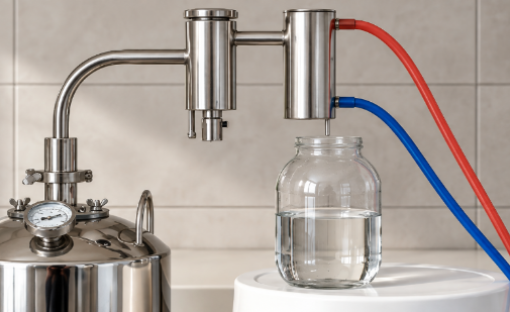
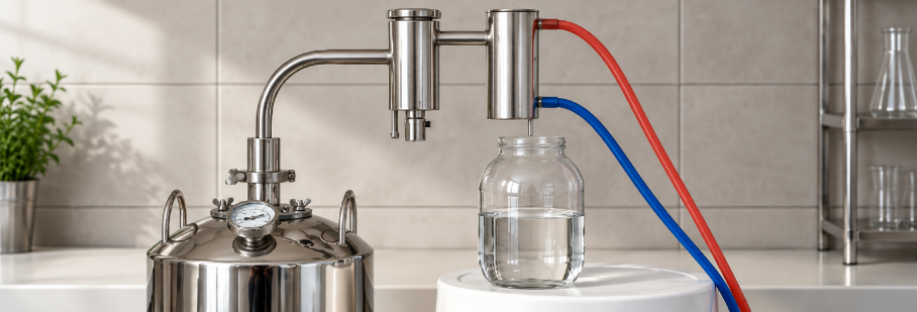
Distilled demineralised water has undergone treatment processes that remove dissolved minerals and impurities.
Because it contains minimal mineral content, it helps reduce:
- Scale formation
- Mineral staining
- Internal corrosion
- Residue left inside equipment
Many equipment manufacturers recommend using distilled or demineralised water as part of routine maintenance. Always refer to your equipment manufacturer’s instructions for specific recommendations.
Using appropriate water helps maintain consistent performance while supporting preventive maintenance programs.
How Can Practices Reduce Equipment Maintenance?
Routine servicing remains essential, but several simple practices can help improve equipment longevity.
Follow Manufacturer Guidelines: Always use the recommended water type specified by the equipment manufacturer.
Empty Reservoirs Regularly: Standing water should not remain in equipment for extended periods.
Clean Equipment Frequently: Routine cleaning removes debris before it becomes more difficult to eliminate.
Replace Water Daily: Fresh water helps maintain consistent operating conditions.
Schedule Preventive Maintenance: Professional servicing identifies small issues before they become costly repairs.
Combined with distilled water, these practices help maintain reliable equipment performance.
Frequently Asked Questions
Can I use tap water in my autoclave?
Always follow your equipment manufacturer’s recommendations. Many autoclaves recommend distilled or demineralised water to minimise scale build-up.
Is distilled water the same as demineralised water?
While produced using different processes, both remove dissolved minerals. Some products combine both purification methods to produce high-purity water suitable for compatible dental applications.
How often should distilled water be replaced?
Fresh water should generally be used according to manufacturer instructions, with reservoirs emptied and refilled regularly.
Where can I buy distilled water online?
Dental practices can conveniently buy distilled water online through reputable dental suppliers offering products suitable for equipment maintenance and laboratory use.
Conclusion
Protecting expensive dental equipment begins with everyday maintenance decisions. One of the simplest yet most effective steps is selecting an appropriate water source.
Using Livingstone distilled water helps reduce mineral deposits that contribute to scale formation in compatible autoclaves, ultrasonic cleaners and laboratory equipment. Combined with regular servicing and manufacturer-recommended maintenance procedures, distilled demineralised water supports reliable equipment performance and may help extend the lifespan of valuable clinical investments.
For busy dental practices, preventive maintenance is often more cost-effective than unexpected repairs, making distilled water a practical addition to everyday operations.
References
Australian Dental Association (ADA) 2024, Infection Prevention and Control Guidelines, Australian Dental Association.
National Health and Medical Research Council (NHMRC) 2019, Australian Guidelines for the Prevention and Control of Infection in Healthcare, Australian Commission on Safety and Quality in Health Care.