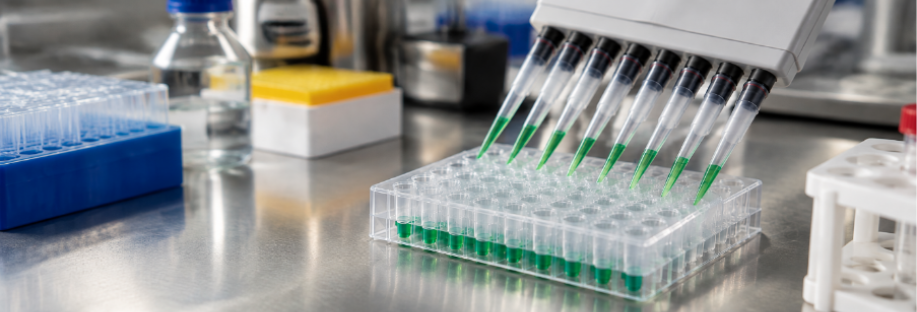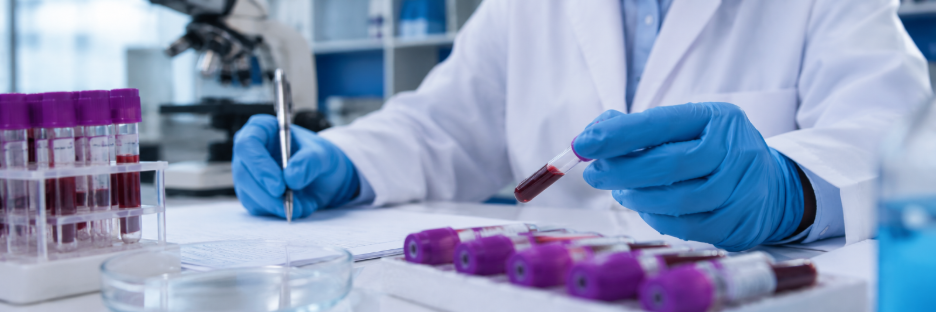
Every pathology specimen represents an important clinical decision. Whether it is a routine blood test, urine sample, swab or tissue biopsy, the quality of laboratory results depends on the condition of the specimen when it arrives for testing. Even when collection procedures are performed correctly, poor packaging can lead to leaks, damaged documentation, rejected samples or unnecessary recollection, affecting both patient care and laboratory efficiency.
One often overlooked component is the specimen transport bag itself. Choosing the right packaging helps protect biological samples, separates paperwork from potential contaminants and aligns with Australian specimen transport requirements. The Livingstone Biohazard Specimen Bag offers a practical dual-compartment solution for busy healthcare environments. Healthcare facilities can also explore the Pharmacy & Household Items Collection for additional specimen transport and clinical consumables.
Understanding how specimen bags contribute to safe transport helps healthcare organisations reduce risks, maintain compliance and preserve specimen integrity from collection through to laboratory testing.

Why is correct specimen packaging essential for safe transport?
Correct specimen packaging protects biological samples from contamination, prevents leaks, separates documentation and helps healthcare facilities comply with Australian transport requirements. Appropriate packaging reduces specimen rejection, protects staff during handling and preserves specimen integrity throughout the transport journey.
Every specimen collected contains valuable clinical information. If packaging fails during transport, the specimen may no longer be suitable for analysis, delaying diagnosis and requiring another patient collection.
The Australian Commission on Safety and Quality in Health Care outlines requirements for packaging and transporting pathology specimens to minimise exposure risks and maintain specimen integrity. Proper packaging is therefore more than a regulatory requirement. It is a critical part of delivering safe, accurate patient care.
Correct specimen packaging helps:
- Reduce the risk of biological exposure
- Protect specimens from leakage and contamination
- Keep request forms clean and legible
- Maintain the chain of custody
- Reduce specimen rejection rates
- Improve confidence in laboratory results
By following recognised packaging practices, healthcare facilities help laboratories receive specimens in the best possible condition for testing.
What features should a compliant biohazard specimen bag include?
A compliant specimen bag should provide leak resistance, a secure closure, separate compartments for documentation, clear biohazard identification and suitable sizing. These features help protect specimens, reduce contamination risks and support safe handling throughout transport.
Choosing the right specimen bag helps minimise handling risks while maintaining specimen quality from collection to laboratory processing.
Three-layer construction
The Livingstone biohazard specimen bags feature a durable 3-ply construction comprising a 2-ply, 45-micron zip compartment for specimens and a separate 1-ply, 32-micron pouch for documentation. This dual-compartment design keeps request forms separate from biological material, helping paperwork remain clean and readable throughout transport.
Secure zip closure
A zip closure provides a dependable seal that is less likely to open accidentally during handling or courier transport. Staff can also confirm by touch that the closure has been completely sealed.
Practical dimensions
The yellow tint specimen bag 16 x 24.5cm accommodates commonly used specimen containers without placing unnecessary pressure on the seal. Its dimensions also fit standard transport trays and pathology courier containers.
Clear biohazard identification
The yellow tint clearly identifies biological material, allowing laboratory personnel, couriers and collection staff to recognise specimens quickly and apply appropriate handling procedures.
How do healthcare facilities use specimen bags correctly?
Correct specimen bag use includes accurate labelling, secure sealing, document separation, secondary containment and appropriate storage. Following consistent handling procedures reduces transport errors, protects specimens and improves laboratory processing outcomes.
Safe specimen transport depends on consistent handling practices as well as quality packaging.
Label specimens before bagging
Immediately label every specimen container after collection using the required patient identification. Place the specimen into the zip compartment and the request form into the separate document pouch.
Confirm the seal
Run a finger across the full length of the zip closure before dispatch to ensure the bag is completely sealed.
Use secondary containment
Transport sealed specimen bags inside rigid or semi-rigid transport containers to provide additional protection if the primary specimen container fails.
Inspect bags before use
Do not use bags that are torn, punctured or otherwise damaged. Regular stock inspections help ensure packaging remains suitable for specimen transport.
Store bags correctly
Store unused specimen bags flat in a cool, dry location away from direct sunlight and excessive heat to preserve the integrity of the polyethylene film and zip closure.
Who uses biohazard specimen bags in Australia?
Biohazard specimen bags are used by hospitals, medical centres, pathology laboratories, aged care providers, veterinary clinics, dental practices, workplace health services and government organisations whenever biological specimens require secure transport.
Biohazard specimen bags are used wherever biological samples require safe transport between collection points and testing laboratories.
Common users include:
- Hospitals
- Medical centres
- General practice clinics
- Pathology collection centres
- Aged care facilities
- Veterinary clinics
- Dental practices
- Workplace health providers
- Community nursing services
- Government healthcare organisations
Although specimen types vary, every setting shares the same objective of maintaining specimen integrity while protecting staff throughout the transport process.
What should you consider before you buy biohazard specimen bags online?
When purchasing specimen bags online, healthcare facilities should consider construction quality, compartment design, closure reliability, bag dimensions, carton quantities and product specifications to ensure safe specimen transport and reliable day-to-day performance.
When you buy biohazard specimen bags online, look beyond price and consider whether the product is suitable for your workplace requirements.
Important purchasing considerations include:
- 3-ply construction
- Reliable zip closure
- Separate document compartment
- Appropriate micron thickness
- Suitable bag dimensions
- Bulk carton quantities
- Detailed product specifications
- Consistent manufacturing quality
For high-volume healthcare facilities, a 2,000-per-carton format helps maintain stock availability while reducing the frequency of reordering.
References
Australian Commission on Safety and Quality in Health Care. Requirements for the Packaging and Transport of Pathology Specimens and Associated Materials (Fifth Edition).
Safe Work Australia. First Aid in the Workplace.