In veterinary surgery, the margin between a clean procedure and a contaminated one is often determined before the first incision is made. Draping is not a formality. It is the foundation of infection control in the operating theatre, and the instrument responsible for holding that foundation in place is the Backhaus towel clamp. Small, unassuming, and frequently overlooked in supply audits, the Backhaus Towel Clamp is one of the most consequential tools on a veterinary surgical instrument tray. Here is why it matters, what to look for when specifying one, and why size makes a genuine clinical difference.
What Does a Backhaus Towel Clamp Do in Veterinary Surgery?
The Backhaus towel clamp is a perforating surgical instrument designed to secure sterile drapes and field towels to a patient’s skin during a procedure. Its scissor-style body, ring handles, inward-curving sharp tips, and ratchet locking mechanism work together to grip both the drape material and the underlying skin without slipping, regardless of patient positioning, procedural duration, or instrument activity around the surgical site.
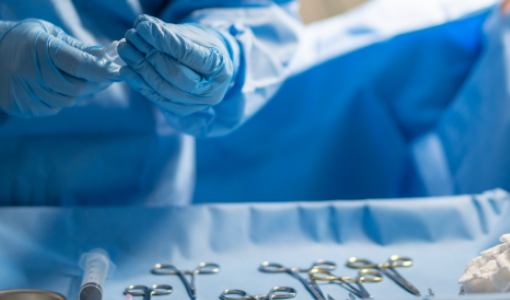
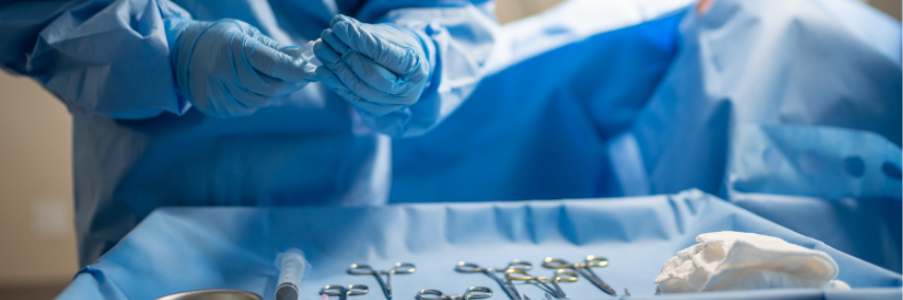
It is important to understand the draping protocol during veterinary procedures. Four quarter drapes are applied in the incision site and four Backhaus clamps are positioned at the corners where the drapes overlap, which grips the sterile barrier to the animal’s skin. The drape edges lie flat which keeps the surgical field clear and contained throughout the procedure.
Why Is Sterile Draping So Critical in Veterinary Operating Theatres?
Surgical site infection is one of the most serious post-operative complications in veterinary patients. Animals cannot self-report early signs of infection the way human patients can, which means that prevention during the procedure carries even greater weight than in human medicine. A drape that shifts, lifts, or loses its anchor during surgery exposes non-sterile surfaces, risks contaminating instruments, and can compromise the integrity of the surgical site before closure.
The Backhaus clamp addresses this mechanically. Once the ratchet locks, the clamp holds without requiring any ongoing manual input from the scrub team. This allows the surgeon and surgical nurse to focus entirely on the procedure with confidence that the sterile barrier is stable.
Key Features of the Livingstone Backhaus Towel Clamp
The Livingstone Backhaus Towel Clamp is manufactured from surgical-grade stainless steel and is built for the demands of veterinary clinical environments where instruments must perform reliably across repeated use and autoclave sterilisation cycles. Key specifications include:
- Surgical-grade stainless steel: Corrosion-resistant and fully autoclavable, maintaining tip sharpness and ratchet function across repeated sterilisation cycles.
- Extra large sizing: Provides the jaw span needed for larger veterinary patients or heavier drape materials where a standard clamp cannot achieve sufficient purchase.
- Inward-curving sharp tips: Designed for controlled, secure penetration of drape and skin without tearing or displacement during or after placement.
- Ratchet locking mechanism: Maintains a firm, hands-free hold throughout the procedure without requiring ongoing manual pressure from the scrub team.
- Ring handle design: Allows single-hand placement and adjustment, even in tight or spatially limited surgical fields.
Why Does Size Matter When Choosing a Veterinary Towel Clamp?
Clamp sizing is one of the most commonly overlooked variables in veterinary surgical supply. A clamp that is too small for the patient or the drape material being used will not achieve the jaw spread needed to grip both layers reliably. In larger dog breeds, medium-sized livestock, or cases involving thicker draping materials, a standard-sized Backhaus clamp may simply fail to provide adequate hold.
The extra large Backhaus clamp is the appropriate specification for these patients. It provides the additional jaw span and clamping force required to anchor drapes securely across a broader skin surface, reducing the risk of drape migration during longer or more complex procedures such as orthopaedic repair, soft tissue exploration, or abdominal surgery in larger animals.
Where Are Backhaus Clamps Used Across Veterinary Practice?
Soft tissue and general surgery
In general veterinary surgery, Backhaus clamps are applied as standard during desexing procedures, exploratory laparotomies, wound repair, and tumour removal. Four clamps per drape set is the standard protocol, securing the sterile field at each corner of the operative site for the duration of the procedure.
Veterinary orthopaedic surgery
Orthopaedic procedures in veterinary patients, including fracture repair, cruciate ligament surgery, and joint stabilisation, involve prolonged operating times and significant instrument activity around the surgical site. A securely anchored drape set is especially critical in these procedures, where any movement of the sterile barrier can introduce contamination into the operative field at a site that is already at elevated infection risk due to the nature of the tissue being handled.
Veterinary dental surgery
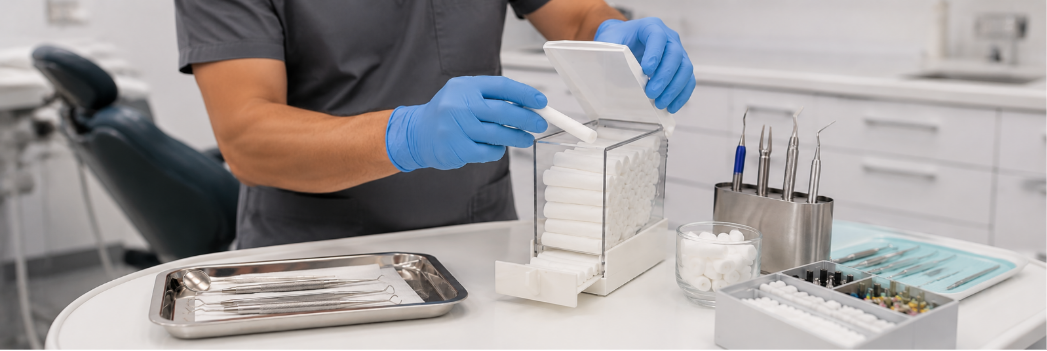
Backhaus clamps also feature in veterinary dental procedures, securing drapes and towels around the oral field during extractions, scaling, and oral mass removals. Their compact footprint and single-hand operation make them well suited to the more spatially restricted environment of veterinary dental surgery.
Browse the full range of veterinary surgical clamps at Livingstone to find the right instruments for your clinic’s surgical supply needs.
An Important Veterinary Surgical Protocol: Clamps Are Contaminated Once Applied
Once a Backhaus clamp has perforated the drape and the patient’s skin, it is considered contaminated for the remainder of the procedure. Repositioning is not an option, the clamp must be removed and replaced with a fresh sterile instrument.
For high-volume veterinary surgical practices, this makes both instrument quality and adequate stock levels an essential part of theatre preparedness.
Frequently Asked Questions
What is the difference between a Backhaus clamp and a Lorna clamp in veterinary surgery?
The Backhaus towel clamp is a perforating instrument that pierces both the drape and the animal’s skin to anchor the sterile field directly. The Lorna (or Edna) clamp is non-perforating and is used to attach suction tubing, electrocautery cords, and other equipment to the drape without creating additional holes in the material. Both instruments have distinct roles in a correctly prepared veterinary surgical tray.
How many Backhaus clamps are needed per veterinary surgical procedure?
Standard veterinary draping protocol requires four Backhaus clamps per procedure, one applied at each corner where the four field drapes overlap around the incision site. Additional sterile clamps should be available on the instrument tray in case repositioning is required, as a clamp that has already perforated the drape and skin cannot be reused.
Can Backhaus clamps be sterilised and reused in veterinary practice?
Yes. Surgical-grade stainless steel Backhaus clamps are fully autoclavable and designed for repeated sterilisation. The key consideration is instrument quality: lower-grade steel can corrode, lose tip sharpness, or develop ratchet failure after repeated autoclave cycles, compromising performance and sterility assurance. Specifying surgical-grade stainless steel instruments from the outset reduces long-term replacement costs and maintains consistent clinical standards.
The Right Clamp, Correctly Specified, Every Time
Veterinary surgical outcomes depend on a chain of decisions, many of which happen long before the patient is on the table. Specifying the right instruments in the right sizes is one of those decisions. The Livingstone Backhaus Towel Clamp Extra Large delivers the jaw span, clamping force, and stainless steel durability that veterinary surgical teams need to maintain a stable, uncompromised sterile field from first drape to final closure.
It is a small instrument with a non-negotiable role. Stock it accordingly.
References
McCurnin, DM 2014, McCurnin’s Clinical Textbook for Veterinary Technicians, 8th edn, Elsevier Saunders, St Louis.
Meister Surgical 2025, Backhaus towel clamp: Structure, uses, and surgical importance, Meister Surgical, viewed July 2026.
Veterinary Surgery Online 2024, Towel clamps, Veterinary Surgery Online, viewed July 2026.