What Makes Calcium Alginate Dressing Stand Out in Modern Wound Care?
Calcium alginate dressing is derived from brown seaweed or brown algae, found naturally in cold and temperate ocean waters. Its core component, alginic acid, combines calcium ions to form calcium alginate, a fibrous material that has been used in clinical wound management for decades precisely because of how it behaves at the wound site.
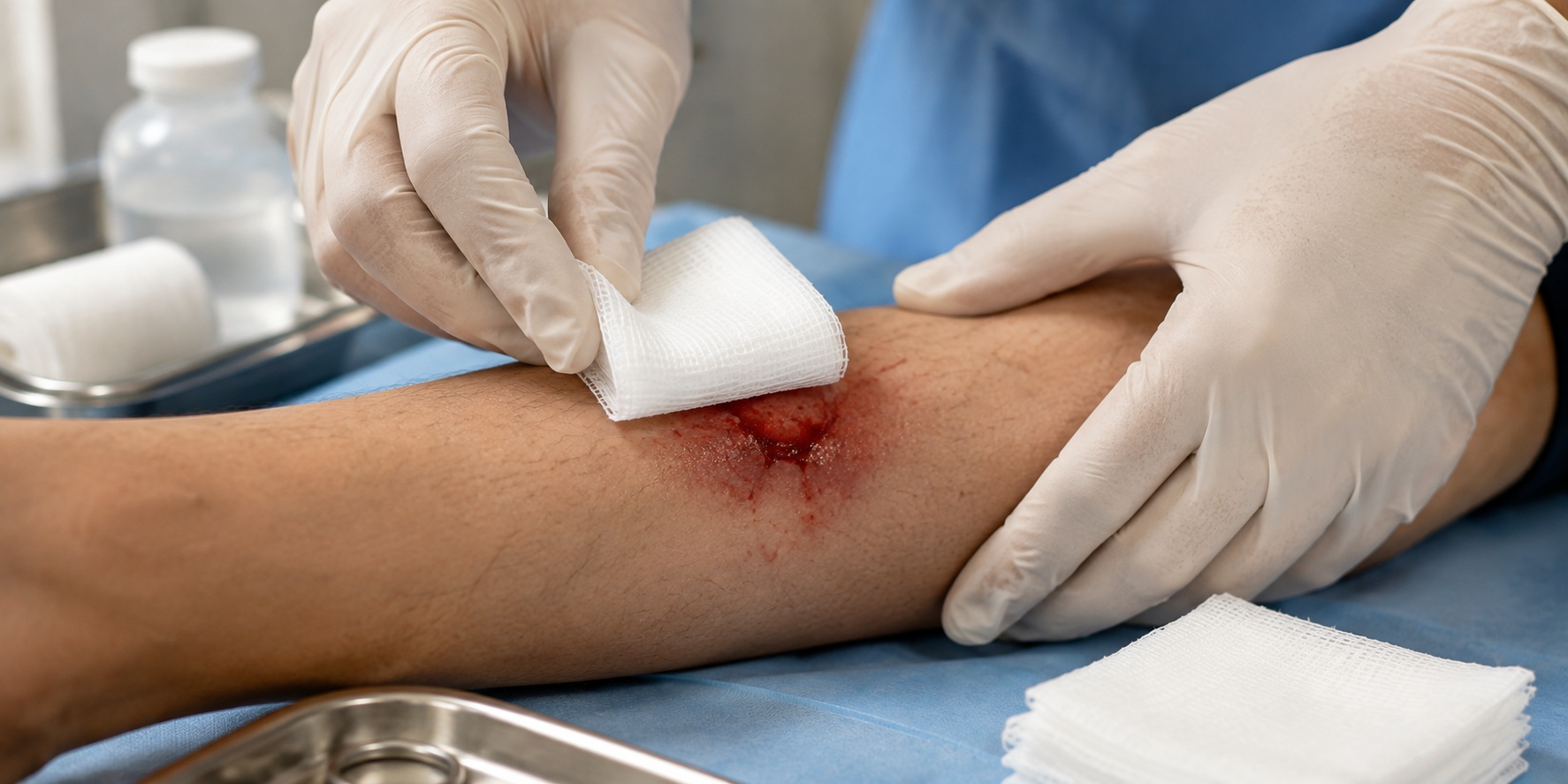
Unlike other foam, gauze, or hydrocolloid dressings that simply absorb wound fluid passively, Calcium Alginate Haemostatic Dressing interacts directly with exudate. This interaction is what makes it uniquely effective for moderate to heavily exuding wounds, where managing moisture actively rather than just soaking it up makes a measurable difference to healing outcomes.
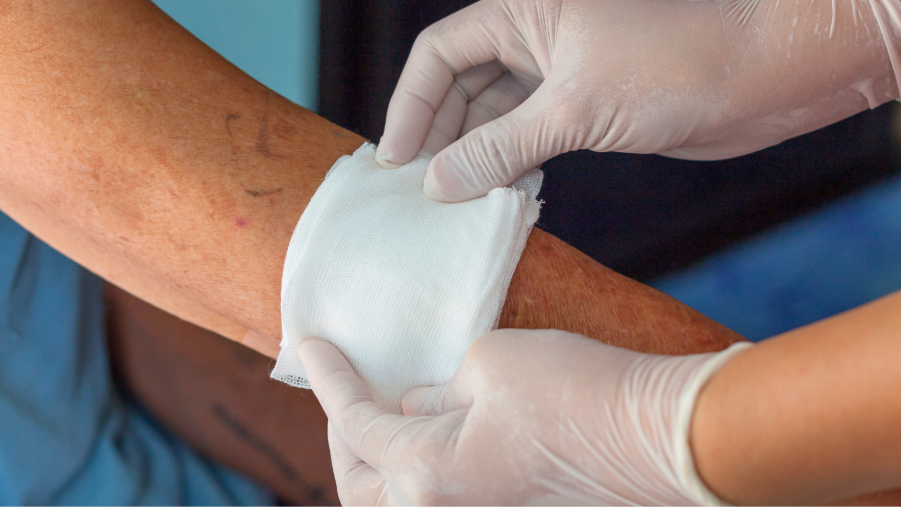
6 Facts About Calcium Alginate Dressing That Might Surprise You
1. It Starts as Seaweed and That’s Not a Coincidence
Brown seaweed has a natural ability to trap and hold moisture, a property that comes directly from its alginic acid structure. In a wound care context, that translates into a dressing that keeps the wound environment consistently moist, which is essential for new skin cells to migrate and regenerate effectively. The seaweed origin is not incidental. It is precisely what makes calcium alginate so well suited to wound management.
2. Absorbs Up to 20 Times Its Own Weight in Wound Fluid
The fibres of calcium alginate dressing can absorb up to 20 times their own weight in exudate, significantly more than standard gauze or foam dressings. This high absorption capacity prevents excess fluid from damaging the healthy skin surrounding the wound, making it particularly valuable for heavily exuding wounds such as venous leg ulcers, surgical sites, and burns. That same capacity also reduces the frequency of dressing changes to once every three to seven days, a meaningful saving in both clinical labour and overall wound care costs.
3. It Actively Helps Stop Bleeding Without Extra Intervention
Calcium alginate dressing contains naturally occurring calcium ions that are responsible for activating the body’s clotting cascade at the wound site. In practical terms, they act as a kind of chemical glue, triggering the body’s own haemostatic response without the need for additional intervention. This makes the dressing particularly valuable in post-surgical wounds and trauma cases, where controlling bleeding quickly and naturally reduces both risk and recovery time.
4. It Converts to a Healing Gel the Moment It Touches the Wound
When calcium alginate dressing contacts wound fluid, the calcium ions undergo an ion exchange with the sodium ions present in the exudate. This reaction draws the fluid in and converts the dressing into a soft, moist gel directly over the wound surface. That gel maintains an ideal moisture balance, creating a consistently protected healing environment. Because the gel is non-adherent, it lifts away cleanly at dressing change time, making removal painless even for patients with sensitive or fragile tissue.
5. It Helps the Body Clean the Wound Naturally
During the healing process, the body naturally breaks down and removes dead tissue on its own. This is called autolytic debridement, and it is one of the most important yet underappreciated mechanisms in wound recovery. The moist gel environment created by calcium alginate dressing actively supports and accelerates this process, softening and liquefying necrotic tissue without manual or surgical intervention. For patients, that means a significantly reduced likelihood of facing the kind of invasive debridement procedures that are painful, disruptive, and costly to recover from.
6. A Single Dressing Can Stay in Place for Up to 7 Days
Depending on exudate levels, calcium alginate dressing can remain in place for up to seven days before requiring a change. That extended wear time significantly reduces the frequency of dressing changes, minimising disruption to the wound bed at the very point when consistent healing conditions matter most. Fewer changes also mean lower labour costs and reduced material expenditure for clinical practices managing tight budgets. For patients handling wound care at home with limited supplies, it offers the same practical relief without compromising healing outcomes.
How Does Calcium Alginate Compare to Other Wound Dressings?
All existing dressings share one purpose: to heal wounds. But not all wounds are the same, and choosing the wrong dressing for the wrong wound type can slow recovery, increase discomfort, and raise the overall cost of care. So how do clinicians know which dressing is right for a specific wound?
Gauze dressings passively absorb fluid but tend to dry out the wound bed, making removal painful and potentially damaging to healing tissue. Foam dressings manage moderate exudate effectively but fall short with heavily exuding wounds and offer no haemostatic properties. Hydrocolloid dressings can form a gel but provide only limited absorption, making them unsuitable for wounds producing significant fluid. Calcium alginate dressings, by contrast, combine all three functions: active gel formation through ion exchange, high absorption capacity, and natural haemostatic properties. For wounds that demand more than passive absorption, it is a clinically meaningful step forward.
Why Does Sterile Packaging Matter in a Clinical Environment?
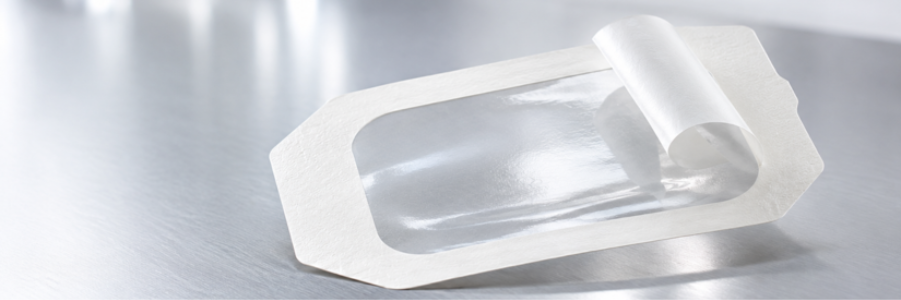
In clinical and veterinary settings, sterile packaging is not a convenience, it is a baseline safety requirement. A dressing that has been compromised before it even reaches the wound site introduces microbial contamination at the most critical point of the healing process, turning a treatment into a risk. Sterile packaging eliminates that variable entirely, ensuring every application begins in a controlled, contamination-free state that supports infection control protocols across surgical, veterinary, and high-risk wound care environments.
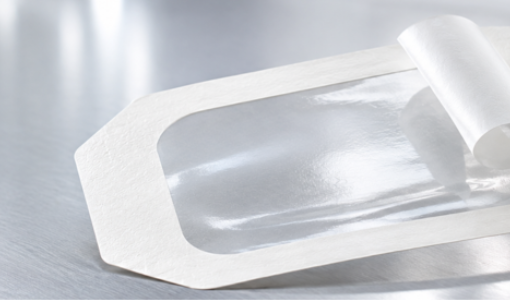
The Livingstone Calagin Calcium Alginate Haemostatic Dressing comes in individually sterile-packaged packs of five, ready to use at the point of care without additional preparation, making it a practical and safety-conscious choice for busy clinical practices.
Better Wound Dressing, Better Patient Healing
Having a practical, cost-effective product in stock that covers multiple wound care needs gives clinicians the confidence to treat effectively across a wide range of presentations. That confidence cascades directly to the patient, where consistent, appropriate wound care translates into faster recovery, fewer complications, and a better overall healing experience.
The Livingstone haemostatic calcium alginate dressing sterile is designed with exactly that in mind. Available in sterile packs of five, it is a reliable addition to any clinical or veterinary wound care setting. Explore the full veterinary wound care dressing range at Livingstone to find the right solution for every wound type your practice encounters.
References
Wound Care Education Institute (2022) ‘Alginate dressing benefits and uses‘, WCEI Blog.
Winner Medical (2023) ‘5 minutes to know everything about alginate dressing‘, Winner Medical Blog.
Shinrise Medical (2024) ‘The benefits and use of calcium alginate wound dressings: a comprehensive guide‘, Shinrise Medical Blog, 26 September. Available at
Safe Work Australia (2022) Managing risks in the workplace.