How Can Early Detection Save an Animal’s Life Through ECG Monitoring?
Heart disease is among the leading causes of death in both dogs and cats, yet many cardiac conditions produce no visible symptoms until they have already reached an advanced stage. An animal can appear completely healthy on the outside while dangerous arrhythmia develops silently within. This is precisely where ECG monitoring changes the outcome.
An electrocardiogram records the electrical activity of the heart in real time, through Livingstone ECG Monitoring Electrodes with Foam Tape which allows veterinarians to identify whether the heart is beating at a normal pace to diagnose the exact arrhythmia present. When a cardiac condition is caught early, treatment can begin before it becomes life-threatening.
5 Clinical Reasons Why ECG Monitoring Matters in Veterinary Practice
1. It Records Electrical Activity, Not Just Heartbeat Sound
A stethoscope tells a veterinarian that the heart is beating. An ECG tells them how. By recording the electrical impulses generated with each heartbeat, an ECG reveals the precise sequence of cardiac events, from the initial signal that triggers contraction to the recovery phase that follows. This level of detail is impossible to obtain through auscultation alone, making ECG monitoring an entirely different class of diagnostic tool rather than simply a more sophisticated version of the same one.
2. It Detects Irregular Cardiovascular Rhythms a Stethoscope Can Miss
Arrhythmias, or irregular heart rhythms, are among the most common and most dangerous cardiac conditions in veterinary patients. Some arrhythmias are intermittent, meaning they may not be present during a routine physical examination, making them nearly impossible to detect without continuous or targeted electrical monitoring. An ECG captures these irregularities with precision, identifying the exact type of arrhythmia present and guiding the veterinarian toward appropriate treatment without guesswork.
3. It Identifies Serious Conditions With No Visible Symptoms
Not every cardiac condition announces itself. Many animals continue eating, playing, and behaving normally while their heart function deteriorates beneath the surface. Certain breeds carry a hereditary predisposition to heart disease, and in these patients, ECG monitoring as part of routine screening can identify abnormalities long before clinical signs appear. The value here is not in confirming what is already obvious. It is in finding what would otherwise remain invisible until it is too late to intervene effectively.
4. It Tracks Real-Time Cardiac Changes During Anaesthesia
Anaesthesia places significant physiological demands on any animal, and the cardiovascular system is particularly vulnerable during this period. ECG monitoring during surgical procedures allows the veterinary team to observe cardiac activity in real time, identifying any changes in rhythm or rate the moment they occur. This continuous visibility means that interventions can be made immediately rather than reactively, significantly reducing the anaesthetic risk for patients of all ages and health statuses.
5. Why Cats Are the Hardest Cardiac Patients in the Room
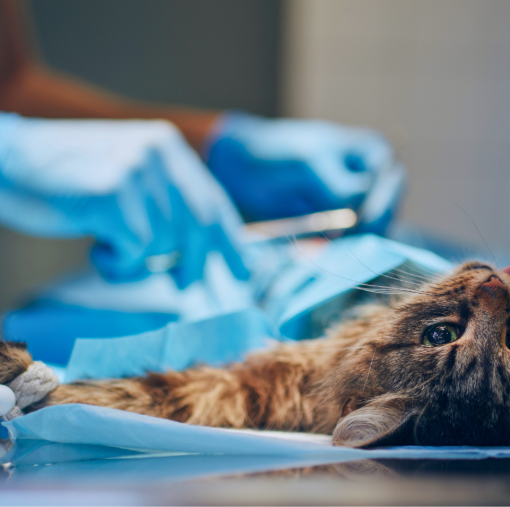
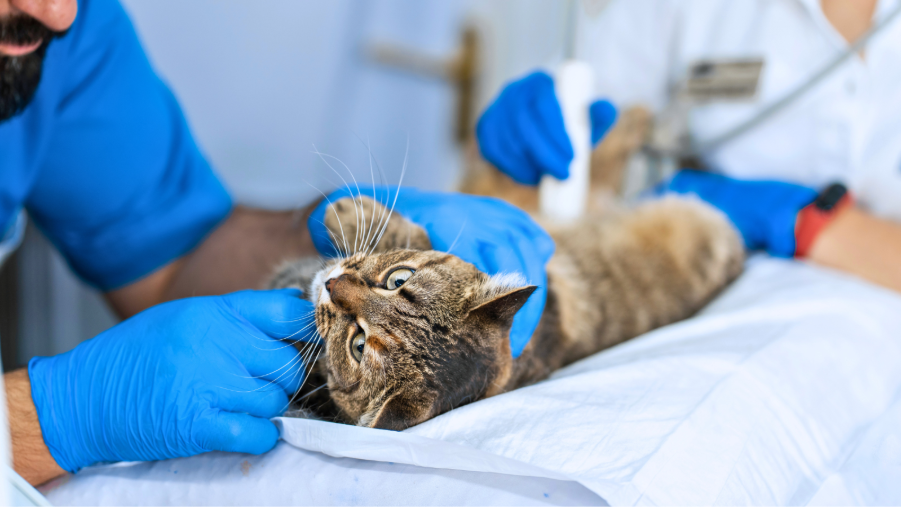
Cats are uniquely challenging when it comes to cardiac diagnostics. Unlike dogs, felines can have severe cardiomyopathy with no detectable murmur, no abnormal lung sounds, and no outward signs of distress. A cat can present as a perfectly healthy patient while harbouring significant heart disease that would only be revealed through targeted testing. For purebred cats in particular, where hereditary cardiac conditions are more prevalent, ECG monitoring is not optional. It is one of the few tools specific and sensitive enough to detect what routine examination consistently misses.
What Makes a Good ECG Electrode for Veterinary Use?
The quality of an ECG reading depends heavily on the quality of the electrode making contact with the patient’s skin. In veterinary settings, this presents a unique challenge. Animal patients have fur, varied skin textures, and a tendency to move, all of which can interfere with signal quality if the electrode is not designed to compensate.
The key features to look for in a veterinary ECG electrode include:
- Foam tape backing: Foam tape conforms to irregular body surfaces and maintains consistent contact even when an animal shifts position, reducing signal artefact and improving reading accuracy.
- Conductive gel: The gel layer between the electrode and the skin ensures reliable electrical conductivity, which is essential for capturing clean, accurate cardiac signals without interference.
- Secure adhesion: An electrode that lifts or shifts during monitoring compromises the entire reading. Strong adhesion that holds even in clinical conditions is non-negotiable for reliable diagnostic output.
- Appropriate sizing: Electrodes need to be appropriately sized for veterinary patients, accommodating everything from a small cat to a large breed dog without compromising contact quality.
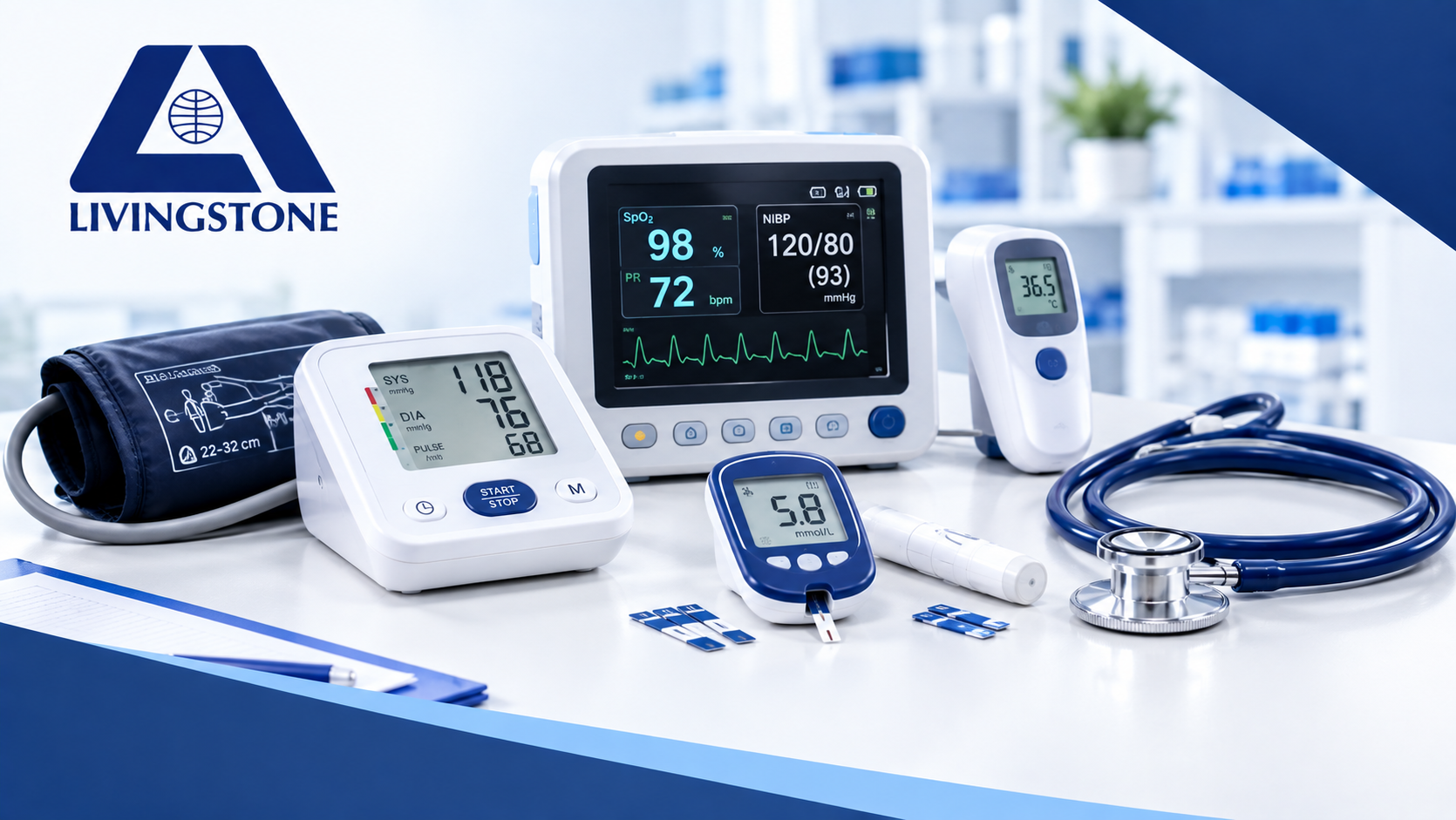
The Livingstone ECG Monitoring Electrodes with Foam Tape addresses all these requirements in a single clinical-grade product. Available in bags of 50, the 4 x 3.5cm foam tape gel electrode is designed for consistent skin contact and reliable signal transmission, making it well suited to the demands of both routine monitoring and surgical anaesthetic use in veterinary practice.
When Should a Veterinarian Order an ECG for Their Patient?
ECG monitoring is not reserved for animals already showing signs of cardiac distress. There are several clinical scenarios where ordering an ECG monitoring electrodes foam tape gel is considered best practice, regardless of whether the patient appears symptomatic.
- Abnormal physical examination findings: Cardiac murmurs, irregular pulses, or unusual heart sounds detected during auscultation are clear indications for follow-up ECG assessment.
- Breed screening: Breeds with a known hereditary predisposition to heart disease should be screened regularly, even in the absence of clinical signs.
- Pre-anaesthetic evaluation: Before placing any animal under general anaesthesia, an ECG provides a baseline understanding of cardiovascular status that informs anaesthetic planning and reduces risk.
- Geriatric patients: Older animals are significantly more susceptible to cardiac conditions. Routine ECG monitoring as part of senior wellness checks is increasingly considered standard of care.
- Animals presenting with lethargy, exercise intolerance, or coughing: These clinical signs can indicate underlying cardiac disease and warrant immediate ECG investigation.
Better ECG Electrodes, Better Cardiac Outcomes
The accuracy of a veterinary ECG reading is only as good as the electrode delivering the signal. Investing in reliable, clinically appropriate monitoring electrodes is not a minor procurement decision. It directly affects the quality of diagnostic information available to the veterinary team and, by extension, the treatment decisions that follow.
For veterinary practices looking to maintain consistent diagnostic standards, explore the full veterinary diagnostics range at Livingstone to find the right monitoring solutions for every clinical setting. Because when your patient’s heart is talking, you want to make sure you can hear every word.
References
Bruceville Pet Hospital (2023) ‘ECG for pets: when it is needed’, Bruceville Pet Hospital Blog, 15 November.
VCA Animal Hospitals (2023) ‘Electrocardiogram in dogs’, VCA Animal Hospitals: Know Your Pet.
Noah Vets (2024) ‘Electrocardiogram for pets: heart disease’, Noah Vets Blog.
Australian Veterinary Association (2022) Companion animal health and welfare guidelines.