Changing a wound dressing should not feel harder than it needs to. Yet, when a wound pad sticks to the skin, even a simple dressing change can become uncomfortable. This is one reason the type of dressing you choose matters.
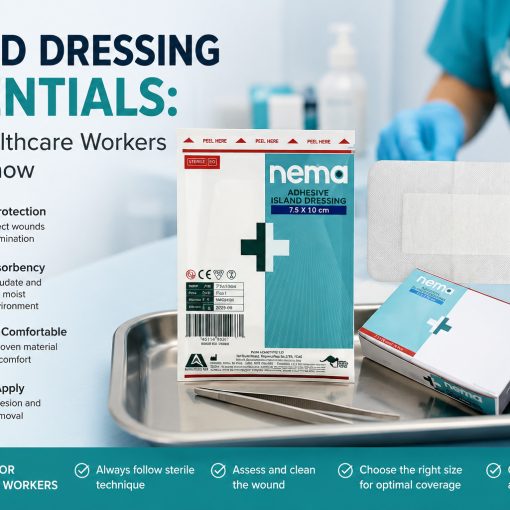
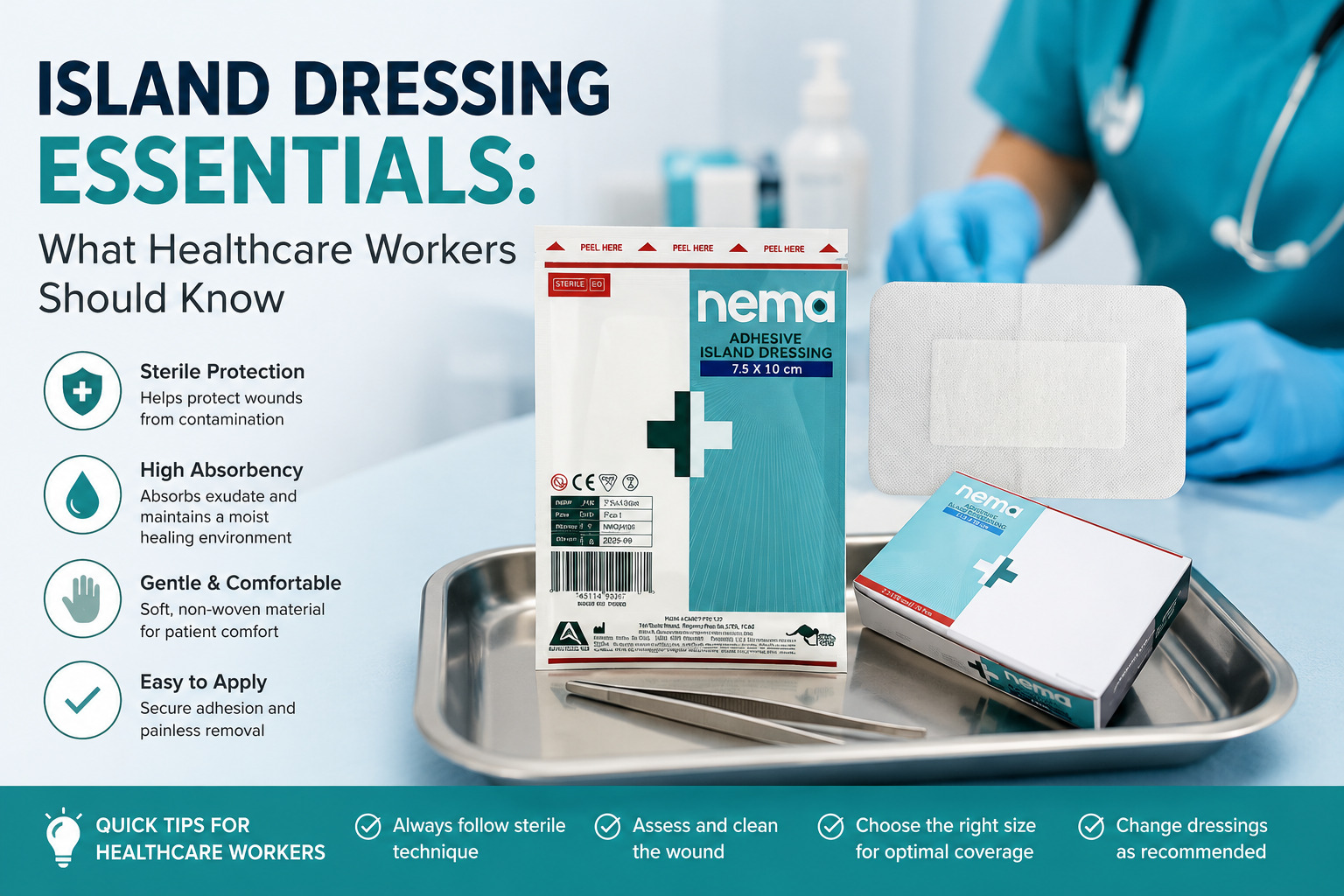
A Non-woven Island Dressing is designed with a non-adherent pad that sits over the wound while the adhesive part helps hold the dressing in place. Livingstone International offers Nema Adhesive Island Dressings in different sizes, including the 12 x 8.2 cm sterile option. The dressing is nonwoven, adhesive and absorbent, with a non-adherent pad.
So, how does the non-adherent pad help? Why does a dressing sometimes stick to a wound? And what should you look for when choosing a dressing? Let’s take a closer look.
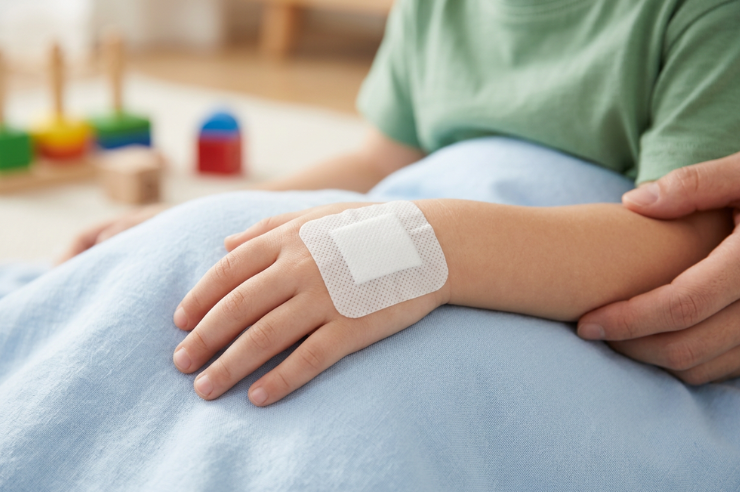
What Is a Non-Woven Island Dressing?
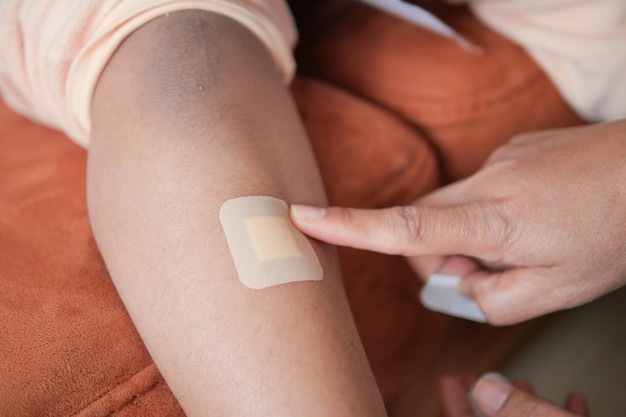
A non-woven dressing is made from fibres that are bonded together rather than woven like ordinary fabric. An island dressing has a wound pad in the centre and an adhesive area around it.
The centre pad is placed over the wound. The adhesive section then sticks to the skin around the wound rather than directly to the injured area.
This design gives you two useful features in one dressing. The pad can absorb fluid from the wound, while the adhesive border helps keep the dressing in place.
Livingstone’s Nema Adhesive Island Dressing is described as sterile, adhesive and absorbent, with a non-adherent pad. It is also designed for areas of the body that experience more movement and for skin abrasions.
Why Can a Wound Pad Stick to a Wound?
You may have noticed that some dressings become difficult to remove after they have been worn for a while. Why does this happen?
A wound can produce fluid as part of the normal healing process. If an ordinary absorbent material sits directly against the wound, the material can sometimes dry onto the wound surface.
When you later remove the dressing, the pad may pull against the healing area. This can make the dressing change uncomfortable.
A non-adherent pad is made to reduce this problem. It creates a surface between the wound and the absorbent part of the dressing.
This does not mean every dressing change will be completely painless. Wounds heal at different rates, and the right dressing depends on the type and condition of the wound.
How Does a Non-Adherent Pad Help?
The key feature is in the name: non-adherent.
The pad is designed not to stick directly to the wound in the same way that some ordinary materials can. This can make removing the dressing easier and more comfortable.
It is especially useful when you need to change a dressing regularly.
Think about a small abrasion. The skin may be tender, and the area can be uncomfortable when touched. A dressing with a non-adherent pad can provide a protective layer over the area while helping reduce the chance of the wound pad sticking.
For minor wounds, healthdirect recommends covering the wound with a non-stick dressing or bandage after cleaning it.
What Makes an Island Dressing Different?
An island dressing is more than just a pad.
The centre section is designed to cover the wound, while the adhesive border helps hold it in position. This means you do not necessarily need separate medical tape to keep the dressing in place.
That can make dressing a wound quicker and simpler.
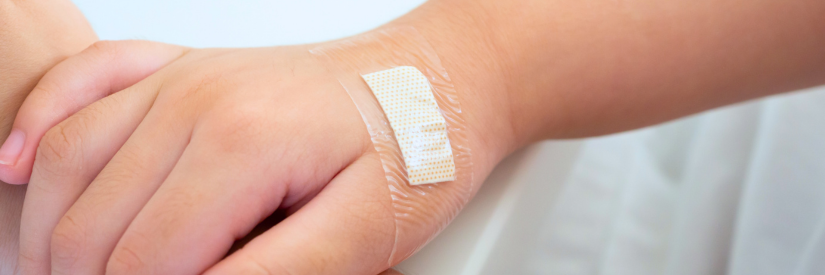
The design can also be useful on areas that move often. Livingstone describes its Nema Adhesive Island Dressing as ideal for high-movement body areas and skin abrasions.
For example, areas around the arms, legs or joints may move throughout the day. A dressing that stays in place can help protect the wound during normal activity.
Is a Non-Woven Island Dressing Suitable for Minor Wounds?
It can be suitable for certain minor wounds, depending on the wound and the product instructions.
A small cut, scrape or abrasion may need a clean dressing to protect it from dirt and friction. An island dressing can provide a simple way to cover the area.
However, not every wound should be treated at home.
Healthdirect advises seeking medical attention for wounds that are deep, do not stop bleeding, are caused by bites or show signs of infection.
So, before applying any dressing, look at the wound first. If something does not look right, it is better to ask a healthcare professional.
Why Is Sterility Important?
A sterile dressing is supplied in a way that helps keep it free from microorganisms before use, as long as the packaging remains intact.
Livingstone’s Nema Adhesive Island Dressing is supplied as a sterile product. The 12 x 8.2 cm version is available in packs of 20.
When you use a sterile dressing, check the packaging before opening it. If the pack is damaged or opened, do not assume the dressing is still sterile.
Clean hands are also important when dealing with a wound. Healthdirect recommends washing your hands before cleaning a minor wound.
These simple steps can help you keep wound care cleaner and more organised.
Can the Adhesive Border Help Keep the Dressing in Place?
Yes. The adhesive border is one of the main features of an island dressing.
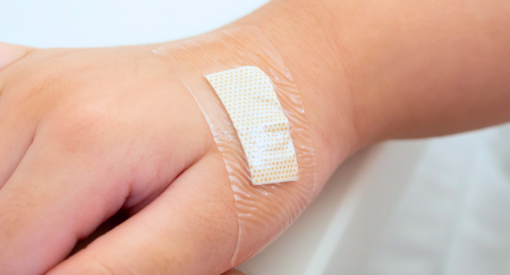
The pad sits over the wound, while the adhesive part attaches to the surrounding skin. This helps hold the dressing in position during normal movement.
That can be useful when a wound is in an area that moves regularly.
However, you should always apply the dressing according to the manufacturer’s instructions. The skin should also be suitable for the adhesive.
If the surrounding skin becomes irritated, painful or uncomfortable, remove the dressing and seek appropriate advice if needed.
What About a Non-Woven Island Dressing Waterproof Option?
It is important to check the exact product before assuming an island dressing is waterproof.
Livingstone offers different island dressing types. The Nema Adhesive Island Dressing discussed here is described as nonwoven, sterile, adhesive and absorbent with a non-adherent pad.
Livingstone also offers a separate transparent island film dressing that is specifically described as waterproof and sterile.
So, if you need a non-woven island dressing waterproof option, check the product details carefully. Waterproof and water-resistant features are not automatically included in every island dressing.
How Should You Apply an Island Dressing?
Before applying a dressing, make sure the wound is suitable for the product and follow the instructions provided.
For a minor wound, healthdirect recommends cleaning it with clean water or saline and then covering it with a non-stick dressing or bandage.
Once the area is ready, open the dressing carefully. Avoid touching the part that will sit directly over the wound.
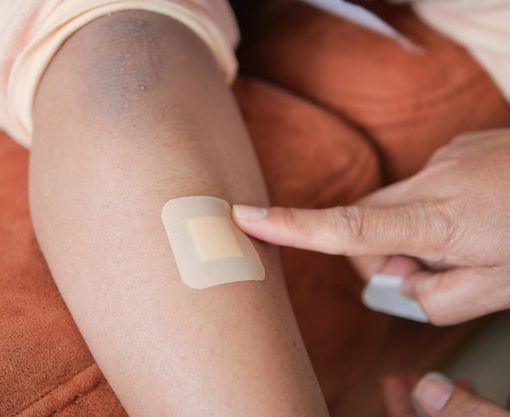
Place the central pad over the wound and allow the adhesive border to contact the surrounding skin. Press it gently so that it stays in place.
Do not pull the dressing too tightly. Your comfort matters too.
When Should You Change the Dressing?
The timing depends on the wound and the instructions provided with the dressing.
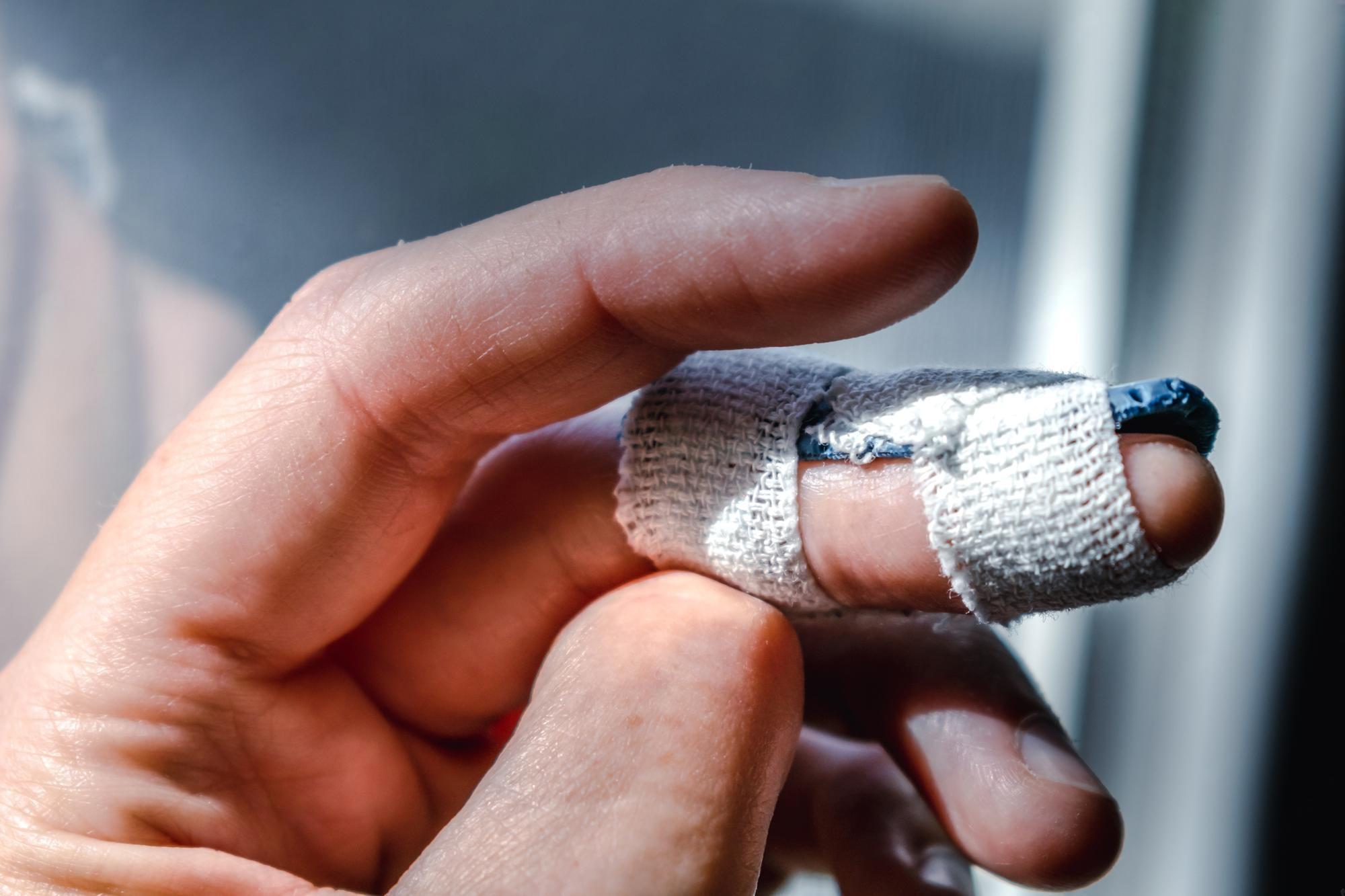
A dressing may need to be changed if it becomes wet, dirty, loose or heavily soiled. Some wounds may also need more frequent changes than others.
Healthdirect recommends keeping a wound clean and covered and changing the dressing every few days for minor wounds, while also following suitable wound-care advice.
If you notice increasing redness, swelling, heat, pain or pus around the wound, seek medical advice. These can be signs of infection.
What Should You Look for When Choosing a Dressing?
Choosing a dressing becomes easier when you know what your wound needs.
First, consider the size. The pad should cover the wound properly without leaving the injured area exposed.
Next, look at the pad. A non-adherent pad can be helpful if you want to reduce the chance of the wound sticking to the dressing.
You should also check whether the dressing is sterile and whether it has an adhesive border.
Finally, think about where the dressing will be used. A wound on a high-movement area may need a dressing that can stay securely in place.
Livingstone’s Nema Adhesive Island Dressing is available in several sizes, including 12 x 8.2 cm, giving you options based on the area being covered.
Why Choose Livingstone International for Wound Care Supplies?
Good wound care starts with choosing products that suit the job.
Livingstone International supplies a broad range of healthcare and first aid products, including dressings for different wound-care needs. Its Nema Adhesive Island Dressing range combines an adhesive backing with a non-adherent absorbent pad and is available in several sizes.
For healthcare facilities, workplaces and first aid settings, having different dressing options available can make routine wound care easier.
You can choose the size and dressing type that best matches your needs rather than relying on one product for every situation.
Final Thoughts
A dressing should protect a wound without creating another problem during removal. That is where a Non-woven Island Dressing with a non-adherent pad can be useful.
The non-adherent centre helps reduce direct sticking to the wound, while the adhesive border keeps the dressing in place. This makes the format practical for suitable minor wounds and areas that experience regular movement.
Livingstone International offers Nema Adhesive Island Dressings in different sizes, including the sterile 12 x 8.2 cm option. If you are looking for reliable wound-care and first aid supplies, we provide a wide range of products to help you find the right option for your setting.
Frequently Asked Questions
1. What is a Non-Woven Island Dressing?
A Non-Woven Island Dressing has a non-woven outer material, an adhesive border and a central non-adherent pad designed to cover and protect suitable wounds.
2. Does a non-adherent pad prevent wound sticking?
A non-adherent pad is designed to reduce sticking between the dressing and wound. This can make dressing removal more comfortable, especially during regular changes.
3. Is a Non-Woven Island Dressing sterile?
Yes, Livingstone’s Nema Adhesive Island Dressing is supplied as sterile. Always check the packaging before use and do not use it if the pack is damaged.
4. Is every non-woven dressing waterproof?
No. Waterproof protection depends on the specific product. Always check the product description before choosing a dressing for use around water.
5. Can island dressings be used on moving body areas?
They can be suitable for certain high-movement areas. Livingstone specifically describes its Nema Adhesive Island Dressing as ideal for high-movement body areas and skin abrasions.
6. When should you seek medical help for a wound?
Seek medical advice if a wound is deep, will not stop bleeding, becomes more painful or shows signs such as swelling, redness, heat or pus.