A small cut on your finger can quickly become frustrating. Your hands are always moving, whether you are typing, cooking, cleaning, working, or carrying everyday items. Because fingers bend so often, a standard dressing may lift, crease, or move out of place.
This is where a joint finger dressing can be useful. Its H-shaped design is made to fit around fingers and joints more comfortably than many standard dressings. It helps cover minor wounds while allowing the finger to move more naturally.
Livingstone International supplies a wide range of medical and first aid products designed to support healthcare professionals, workplaces, and everyday wound care needs. The Livingstone adhesive joint finger dressing is a practical option for covering minor cuts and grazes on areas that move often.
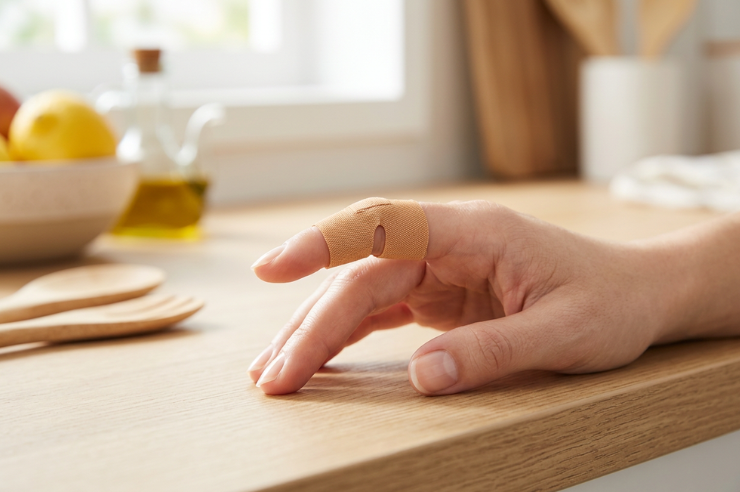
Why Are Finger and Joint Wounds Different?
Fingers and joints are not flat areas of the body. They bend, stretch, and move throughout the day. This can make it difficult for a regular dressing to stay in place.
For example, a cut near a knuckle may cause a standard strip dressing to pull when you bend your finger. The edges may lift, or the dressing may become loose. This can leave part of the wound exposed.
A dressing designed for joints can provide a better fit. The shape allows the adhesive sections to sit around the finger while the centre pad covers the wound.
This does not mean every finger injury needs a special dressing. However, when a wound is close to a joint or on an area that moves often, a purpose-designed dressing may be more practical.
What Makes an H Shape Finger Dressing Different?
An H shape finger dressing has a centre section with adhesive sections that extend around it. The design allows the dressing to wrap around the finger in separate parts.
This shape can provide several benefits:
- It can fit more closely around a finger or joint.
- The separate adhesive sections can help the dressing stay in place.
- It can reduce bunching around the joint.
- It allows the dressing to move more naturally when the finger bends.
- It helps keep the wound covered during normal activities.
The design is simple, but it addresses a common problem. A flat dressing may not follow the shape of a moving joint very well. An H-shaped design gives the dressing more flexibility around curved areas.
How Does the Shape Support Finger Movement?
You use your fingers for almost everything. Even a small movement can cause the skin around a joint to stretch.
A standard dressing may feel tight when the finger bends. It may also fold in the centre, which can make it uncomfortable. In some cases, repeated movement may cause the adhesive edges to lift.
An H-shaped dressing is designed to work around this movement. The separate sections can be placed around the finger instead of pulling across the whole joint in one piece.
This may allow the dressing to sit more comfortably while you complete everyday tasks. However, the dressing should not be applied too tightly. If it causes numbness, tingling, pain, or changes in skin colour, remove it and seek advice from a healthcare professional if needed.
Why Is Secure Wound Coverage Important?
Keeping a minor wound covered can help protect it from dirt and contact during daily activities. Your hands touch many surfaces, so an uncovered cut may be exposed to dust, moisture, and other substances.
A secure dressing can also help reduce rubbing. This may be useful when the wound is in an area that comes into contact with tools, clothing, or other objects.
According to the Australian Government-supported health information service healthdirect, minor wounds should be cleaned and covered with an appropriate dressing. You should also watch for signs of infec tion and seek medical advice when needed.
A dressing is only one part of wound care. You should clean the wound properly before applying a new dressing and follow any advice given by a healthcare professional.
When Can a Joint Finger Dressing Be Useful?
A Joint Finger Dressing may be useful for minor cuts, grazes, or small wounds on areas that bend frequently.
Common situations may include:
Minor Cuts Near a Finger Joint
A small cut near a knuckle can be difficult to cover with a standard strip. The joint moves whenever you bend your finger. An H-shaped dressing may provide a more suitable fit around the area.
Small Grazes on the Finger
A graze may occur during everyday activities, work, sport, or household tasks. Once the area has been cleaned, an appropriate dressing can help keep it covered.
Wounds in High-Movement Areas
Some wounds are located where the skin stretches regularly. A dressing designed for joints may be more comfortable because it can follow the shape of the finger.
First Aid Kits
Finger dressings can be useful additions to first aid kits in workplaces, clinics, schools, and homes. Having different dressing shapes available can make it easier to choose one that suits the location of a minor wound.
How Should You Apply a Finger Dressing?
Applying a dressing carefully can help it stay in place and provide suitable coverage.
First, wash your hands. This helps reduce the chance of transferring dirt to the wound.
Next, clean the minor wound with clean water or saline, following appropriate first aid guidance. Remove any visible dirt carefully. If the wound is deep, heavily contaminated, or difficult to clean, seek medical advice.
Pat the surrounding skin dry. The adhesive may not stick well to wet or oily skin.
Place the centre pad over the wound. Make sure the pad covers the injured area without sticking to the wound itself.
Then, secure the separate adhesive sections around the finger. Apply them gently and avoid pulling the dressing too tightly.
Finally, check that the finger feels comfortable. You should still be able to move it normally. If the dressing feels too tight or causes discomfort, remove it and apply a new dressing correctly.
How Often Should You Change the Dressing?
The dressing should be checked regularly. You may need to replace it if it becomes wet, dirty, loose, or damaged.
A clean and dry dressing is generally better for protecting a minor wound. When changing it, wash your hands first and look at the wound for any changes.
Watch for signs such as increasing redness, swelling, warmth, worsening pain, or fluid coming from the wound. These may need medical attention.
If the wound is not improving or you are unsure how to care for it, speak with a doctor, nurse, pharmacist, or other qualified healthcare professional.
Choosing the Right Finger Dressing
The best dressing depends on the size and location of the wound. You should also consider how much the area moves.
When choosing a finger dressing, look at:
- The size of the wound
- The position of the wound
- Whether the wound is near a joint
- The shape of the dressing
- The type of wound pad
- Whether the dressing is suitable for your intended use
For a wound on a moving joint, finger joint dressing pads with a shaped design may provide a more practical fit than a standard strip.
It is also important to use a dressing that is large enough to cover the wound. A dressing that is too small may not provide suitable coverage, while one that is too large may be difficult to position on a finger.
When Should You Seek Medical Advice?
Many small cuts and grazes can be managed with basic first aid. However, some wounds need professional care.
Seek medical advice if:
- The bleeding does not stop.
- The wound is deep or wide.
- The wound is caused by an animal or human bite.
- There is dirt or another object that cannot be removed.
- The wound becomes more painful.
- You notice redness, swelling, heat, pus, or other signs of infection.
- You have concerns about your tetanus vaccination.
- The wound is over a joint and affects movement.
You should also seek advice if you have a health condition that may affect wound healing.
Conclusion
Fingers and joints move throughout the day, which can make it difficult for a standard dressing to stay secure. An H-shaped dressing is useful because its design can fit around the finger and provide better support on areas that bend.
A Joint Finger Dressing may help keep minor cuts and grazes covered while allowing more natural movement. However, proper cleaning, careful application, and regular dressing checks are still important.
For reliable medical, healthcare, and first aid supplies, Livingstone International offers a broad range of products to support workplaces, healthcare settings, and everyday care needs. Choosing a dressing that suits the location of the wound can make wound care simpler and more comfortable.
FAQs
1. How does an H-shaped dressing stay secure when a finger bends?
The separate adhesive sections wrap around the finger and help the dressing adjust to movement. This design may reduce lifting and bunching around joints during everyday activities.
2. Is an H-shaped finger dressing better than a standard strip dressing?
An H-shaped dressing may provide a better fit for wounds near finger joints because it is designed for curved, moving areas. However, the best choice depends on the wound’s size and location.
3. Can a joint finger dressing be worn while working?
It may be suitable for everyday tasks if the dressing remains clean, dry, and secure. For work involving water, chemicals, or heavy activity, additional protection may be needed.
4. What should I check before applying a finger joint dressing?
Check that the wound has been cleaned and that the surrounding skin is dry. Also, make sure the dressing pad is large enough to cover the wound completely.
5. Can an H-shaped dressing be used on other moving areas?
It is mainly designed for fingers and joints. While its shape may fit some other small areas, you should use a dressing that is suitable for the body part and type of wound.
6. What can cause a joint finger dressing to come loose?
Moisture, sweat, oily skin, frequent hand washing, and repeated movement may affect the adhesive. Drying the surrounding skin before application can help the dressing stay secure.