Every drop matters in a laboratory. A tiny amount of liquid can make the difference between accurate results and having to start an experiment all over again. That is why lab professionals pay close attention to the tools they use every day.
One of the simplest but most useful tools is the pasteur pipette. It may look like a small plastic dropper, but it plays a big role in handling liquids safely and efficiently. From research labs and medical facilities to classrooms and testing centres, this handy tool is used countless times every day.
Livingstone International supplies trusted laboratory and healthcare products across Australia, helping professionals and students work with confidence. Our quality Pasteur pipettes are designed for easy handling, reliable liquid transfer, and everyday laboratory use.
So, why do laboratories continue to prefer Pasteur pipettes for small volume transfer? Let us find out.
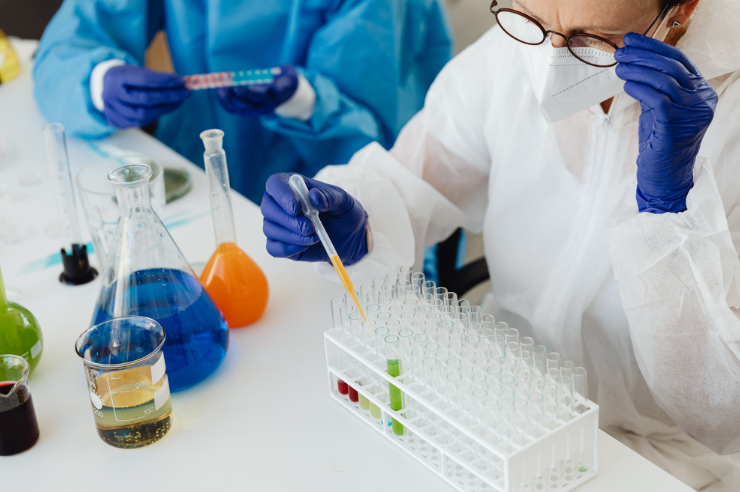
What Is a Pasteur Pipette?
A pasteur pipette is a simple tool used to move small amounts of liquid from one container to another.
Instead of pouring liquids and risking spills, you can gently squeeze the pipette, collect the liquid, and release it exactly where you need it.
Many people also call it a pasteur pipette dropper because it delivers liquids one drop at a time, making it ideal for careful work.
Why Small Volume Transfer Matters
Laboratories often work with samples that are valuable or available in very small amounts.
Imagine mixing chemicals or testing medical samples. Even a tiny mistake can affect the outcome.
That is why transfer pipettes are commonly used for tasks that need precision without complicated equipment.
They help users:
- Transfer liquids safely
- Reduce spills
- Minimise waste
- Improve handling
- Speed up everyday lab work
Simple tools often make the biggest difference.
Easy to Use for Everyone
One reason Pasteur pipettes remain popular is their simplicity.
You do not need special training to use one.
Just squeeze the bulb, place the tip into the liquid, release the pressure, and the liquid moves into the pipette.
Need to transfer it?
Squeeze again.
That is it.
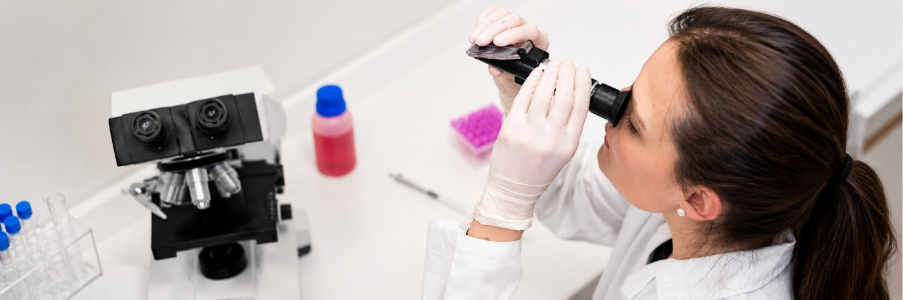
This simple process makes Pasteur pipettes suitable for laboratories, schools, research facilities, and healthcare environments.
Plastic Pasteur Pipettes Are Practical
Many modern laboratories prefer plastic Pasteur pipettes over traditional glass versions.
Why?
Because they are lightweight and easy to handle.
They are also less likely to break if dropped, making them safer for busy laboratory environments.
Plastic pipettes can also reduce the risk of injuries caused by broken glass, giving users extra peace of mind during daily tasks.
Disposable Transfer Pipettes Improve Hygiene
Think about how many different samples are handled in a laboratory every day.
Using the same tool repeatedly without proper cleaning can increase the risk of contamination.
Disposable transfer pipettes solve this problem.
After use, they can simply be discarded according to laboratory procedures.
This helps maintain cleaner workspaces while reducing cross-contamination between samples.
Sterile Transfer Pipettes for Sensitive Applications
Some laboratory work requires extra protection.
Medical testing, microbiology, and pharmaceutical research often depend on sterile equipment.
Sterile transfer pipettes are individually prepared to help support clean sample handling.
They are especially useful when working with biological materials where cleanliness is essential.
This extra level of protection helps laboratories maintain reliable processes and consistent results.
Why Polyethylene Pasteur Pipettes Are Popular
Many laboratories choose polyethylene Pasteur pipettes because the material offers several practical advantages.
They are flexible enough for easy squeezing while remaining strong enough for everyday use.
Polyethylene also provides good chemical resistance for many common laboratory applications.
This makes them a dependable option for routine liquid handling tasks.
Common Uses of Pasteur Pipettes
Pasteur pipettes are found in many different settings.
You may see them used for:
- Transferring laboratory samples
- Mixing small liquid volumes
- Adding reagents
- Educational science experiments
- Medical testing
- Research projects
- Diagnostic procedures
Because they are so versatile, they remain one of the most frequently used laboratory tools.
Simple Tips for Better Use
Even though a pasteur pipette is easy to use, a few simple habits can improve your work.
Use a fresh pipette when changing samples.
Avoid touching the tip to unnecessary surfaces.
Dispose of single-use pipettes correctly.
Store unused pipettes in a clean, dry place.
Small habits like these help maintain accuracy and cleanliness.
For more information about laboratory safety and handling practices, you can refer to the Australian Government Department of Health, Disability and Ageing, which provides trusted health and safety information.
Choosing the Right Pasteur Pipette
Not every laboratory has the same needs.
When selecting Pasteur pipettes, consider:
- Required liquid volume
- Sterile or non-sterile use
- Material type
- Single-use or routine applications
- Ease of handling
Choosing the right product helps improve efficiency while making everyday laboratory work simpler.
Final Thoughts
A pasteur pipette may be one of the simplest tools in a laboratory, but its value should never be overlooked. It allows safe, quick, and controlled transfer of small liquid volumes while supporting accuracy and reducing contamination risks.
Whether you need plastic transfer pipettes for routine testing, disposable transfer pipettes for hygiene, or sterile transfer pipettes for sensitive applications, choosing quality products is essential.
Livingstone International continues to provide trusted laboratory and healthcare solutions for professionals, researchers, educators, and medical facilities across Australia. Our range of Pasteur pipettes combines reliability, convenience, and practical design, helping laboratories perform everyday tasks with confidence.
Frequently Asked Questions
1. What is a Pasteur pipette used for?
A Pasteur pipette is used to transfer small amounts of liquid safely and accurately between containers in laboratories, medical facilities, research centres, and educational environments.
2. Why do laboratories use plastic Pasteur pipettes?
Plastic Pasteur pipettes are lightweight, easy to handle, and less likely to break than glass versions, making them a practical choice for everyday laboratory work.
3. What are disposable transfer pipettes?
Disposable transfer pipettes are single-use liquid transfer tools designed to reduce contamination and improve hygiene during laboratory testing and sample handling.
4. When should sterile transfer pipettes be used?
Sterile transfer pipettes are ideal for medical testing, microbiology, and other sensitive laboratory procedures where maintaining a clean sample is important.
5. What are polyethylene Pasteur pipettes made from?
Polyethylene Pasteur pipettes are made from flexible plastic that offers durability, easy squeezing, and reliable performance for routine liquid transfer tasks.
6. Can Pasteur pipettes be used outside laboratories?
Yes. Pasteur pipettes are also used in classrooms, healthcare settings, research facilities, and other environments where small liquid transfers need to be simple and controlled.