A small injury can happen when you least expect it. You might twist your ankle while walking, strain your wrist at the gym, or hurt your knee during a weekend game. These everyday moments can quickly turn into pain and swelling, making even simple tasks feel difficult.
That is why keeping the right first aid supplies at home is always a smart idea. One item that deserves a place in every first aid kit is a compression bandage. It is simple to use, easy to carry, and can provide quick support when you need it most.
Livingstone International has been supplying trusted healthcare and first aid products across Australia for many years. Our quality solutions are designed for medical professionals, workplaces, sports facilities, and families who want reliable products for everyday care. If you want a practical first aid essential, a compression bandage is one product you should never overlook.
What Is a Compression Bandage?
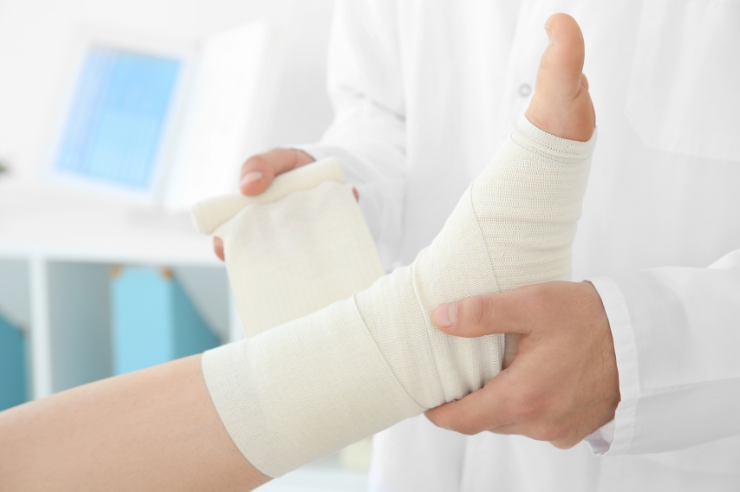
A compression bandage is an elastic wrap that is placed around an injured body part to provide gentle pressure and support. It helps reduce swelling while keeping muscles and joints stable during recovery.
Unlike a regular bandage that mainly covers a wound, a compression bandage is designed to support soft tissue injuries such as sprains and strains.
Many products are made as an elastic compression bandage, allowing the material to stretch comfortably around different body parts without limiting movement too much.
Why Is a Compression Bandage Useful?
You may wonder, “Do I really need one at home?”
The answer is yes.
Minor injuries happen more often than you think, and having a compression bandage nearby can help you respond quickly.
Some of the main benefits include:
- Helps reduce swelling
- Supports injured muscles and joints
- Provides gentle compression
- Keeps dressings securely in place
- Can be used on ankles, knees, wrists, elbows, and legs
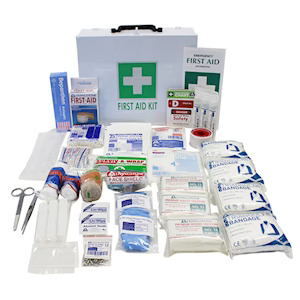
- Easy to store in any first aid kit
It is one of those products you may not use every day, but when you need it, you will be glad you have it.
When Should You Use a Compression Bandage?
Compression bandages are commonly used for everyday injuries.
You can use one for:
Sprained Ankles
A rolled ankle can quickly become swollen and painful. Wrapping the area with a compression elastic bandage may help provide support while reducing swelling.
Muscle Strains
Pulled muscles from exercise or lifting heavy objects can benefit from gentle compression.
Sports Injuries
Whether you play football, netball, tennis, or simply enjoy running, a compression bandage can become part of your basic first aid routine.
Mild Joint Support
Some people use an elastic bandage for compression to provide extra support while recovering from minor injuries or returning to daily activities.
How to Apply a Compression Bandage
Using a compression bandage is simple, but applying it correctly makes a big difference.
Step 1: Start Below the Injury
Begin wrapping slightly below the injured area.
This helps create even pressure.
Step 2: Wrap Evenly
Overlap each layer by about half the width of the bandage.
Do not pull it too tightly.
Step 3: Secure the End
Many products include a convenient bandage with clip, making it easy to keep the wrap in place without slipping.
Step 4: Check for Comfort
Your fingers or toes should stay warm and their normal colour.
If they become numb, cold, or blue, loosen the bandage immediately.
Why Choose an Elastic Compression Bandage?
The stretchy material is one of the biggest advantages.
An elastic compression bandage adjusts to the shape of your body while providing consistent support.
It moves with you instead of feeling stiff or uncomfortable.
That is why healthcare providers, sports trainers, and workplaces often include them in their first aid supplies.
The Benefits of an Elastic Bandage With Clips
Small details can make everyday use much easier.
An elastic bandage with clips stays securely in place without needing tape or extra fasteners.
This means:
- Faster application
- Better hold during movement
- Less slipping
- Easier adjustment when needed
If you are wrapping an ankle or wrist, the clips help keep everything secure throughout the day.
Common Mistakes to Avoid
Many people make small mistakes when using a compression bandage.
Here are a few to watch for.
Wrapping Too Tight
More pressure does not always mean better support.
A bandage that is too tight may reduce blood flow and cause discomfort.
Leaving It On Too Long
Compression is helpful, but your body also needs time to rest.
Follow the advice of a healthcare professional if your injury continues to cause pain or swelling.
Ignoring Serious Symptoms
A compression bandage is useful for minor injuries, but it is not a replacement for medical care.
If pain becomes worse or you cannot move the injured area, seek professional advice.
For trusted first aid information and injury care guidance, you can refer to Healthdirect Australia, which provides evidence-based health advice for Australians.
Final Thoughts
A compression bandage is one of the simplest and most useful first aid products you can own. It provides support, helps manage swelling, and can make everyday injuries easier to handle until proper recovery begins.
Choosing a quality elastic compression bandage with secure clips gives you reliable support whenever you need it. Whether you are building a home first aid kit, preparing for sports activities, or stocking workplace supplies, it is a practical addition that offers peace of mind.
Livingstone International continues to provide trusted healthcare and first aid products that Australians rely on every day. Our range of compression solutions is designed for quality, comfort, and dependable performance, helping you stay prepared for life’s unexpected moments.
Frequently Asked Questions
1. What is a compression bandage used for?
A compression bandage provides gentle pressure to injured muscles and joints, helping reduce swelling while offering support during the recovery of minor sprains, strains, and soft tissue injuries.
2. Can I reuse an elastic compression bandage?
Yes. Most elastic compression bandages can be reused if they remain clean and in good condition. Always check the product instructions before using them again.
3. How tight should a compression bandage be?
It should feel firm but comfortable. If your fingers or toes become numb, cold, or change colour, loosen the bandage straight away.
4. Why choose an elastic bandage with clips?
An elastic bandage with clips stays securely in place without extra tape, making it easier to apply and more comfortable during daily movement.
5. Can a compression bandage help with sports injuries?
Yes. It is commonly used for minor sports injuries such as sprains, muscle strains, and joint support, helping reduce swelling while providing stability.
6. Should every first aid kit include a compression bandage?
Absolutely. A compression bandage is a practical first aid essential that can provide quick support for common injuries at home, work, during travel, or while playing sports.