A small cut on your finger, a scrape from a fall, or a minor burn while cooking can happen in seconds. The first thing many people do is grab a bandage and hope for the best. But did you know that choosing the right dressing can make wound care easier and more comfortable?
That is where a non adherent dressing comes in. It is designed to protect a wound without sticking to the healing skin, making dressing changes much less painful. Whether you are keeping a first aid kit at home, managing a workplace injury, or caring for a loved one, having the right dressing can make a real difference.
Livingstone International is a trusted Australian supplier of healthcare and medical products, offering reliable wound care solutions for hospitals, clinics, workplaces, and everyday first aid. Our quality products help you stay prepared whenever small injuries happen.
So, when should you use a non adherent dressing? Let us take a closer look.
What Is a Non Adherent Dressing?
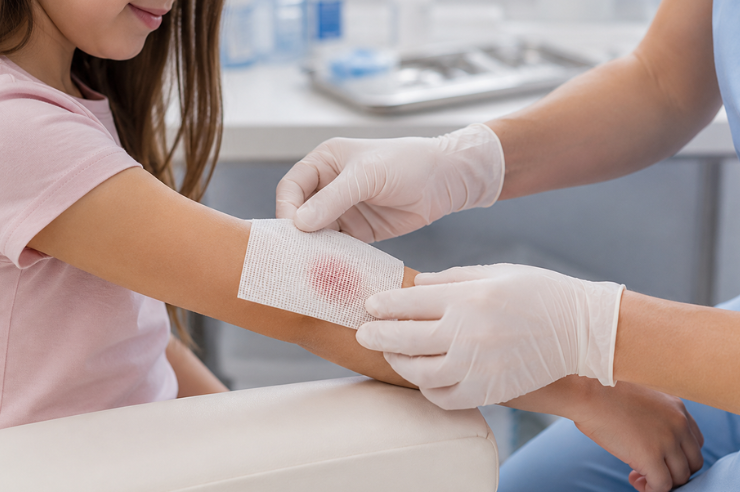
A non adherent dressing is a wound dressing designed to cover and protect an injury without sticking to the wound surface.
Unlike ordinary gauze that may attach to new skin as it heals, a non adherent wound dressing creates a protective layer that helps reduce pain when it is time to remove or replace it.
Many people choose this type of dressing because it offers comfort while supporting the natural healing process.
Why Does a Non Adherent Dressing Matter?
Think about removing a dressing from a healing cut.
If it sticks to the wound, it can pull away new tissue and cause discomfort. Nobody wants that.
A non adherent absorbent dressing helps protect the wound while allowing it to heal with less disturbance. It also absorbs light wound fluid while keeping the injured area covered.
That is why these dressings are commonly used in homes, clinics, and healthcare settings.
When Should You Use a Non Adherent Dressing?
There are many situations where this type of dressing is a practical choice.
Minor Cuts and Scrapes
Everyday accidents happen.
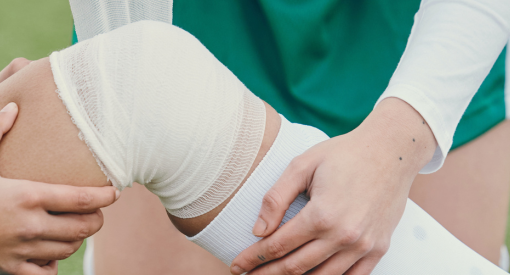
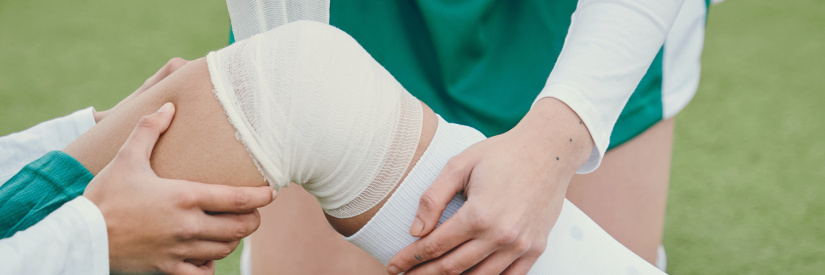
Whether you cut yourself while preparing dinner or scrape your knee during a walk, a non adherent dressing can help protect the area while making future dressing changes easier.
Small Burns
Minor burns often leave sensitive skin that can stick to ordinary dressings.
Using a non adherent wound dressing helps cover the area while reducing the chance of the dressing sticking during removal.
Post-Procedure Wound Care
After minor medical procedures, healthcare professionals may recommend non adherent dressings to help protect healing skin.
The gentle surface helps keep the wound covered while improving comfort.
Skin Tears
Older adults and people with delicate skin can experience skin tears more easily.
A dressing non adherent to the wound helps reduce unnecessary pulling and protects fragile tissue during healing.
Benefits of Using a Non Adherent Dressing
There are many reasons why these dressings are popular.
Comfortable Dressing Changes
One of the biggest advantages is comfort.
Since the dressing is designed not to stick directly to the wound, changing it is usually easier and less painful.
Supports Natural Healing
By protecting the wound without disturbing new tissue, non adherent dressings help create a better healing environment.
Helps Absorb Light Wound Fluid
An absorbent non adherent dressing combines protection with light absorbency, helping manage small amounts of wound fluid while keeping the area clean.
Easy to Use
Simply place the dressing over the wound and secure it with tape or a bandage if needed.
Many people appreciate how simple the process is.
Choosing the Right Size
Not every wound needs the same dressing size.
For small cuts and minor injuries, a non adherent dressing 5cm x 5cm is often a practical option because it provides enough coverage without being bulky.
Keeping different sizes in your first aid kit means you will always have the right dressing available.
How to Apply a Non Adherent Dressing
Using a non adherent dressing is straightforward.
First, wash your hands thoroughly.
Clean the wound gently using clean water or as advised by a healthcare professional.
Pat the surrounding skin dry.
Place the non adherent wound dressing directly over the wound.
Secure it using medical tape or a bandage if required.
Finally, change the dressing whenever it becomes dirty, wet, or according to medical advice.
Common Mistakes to Avoid
Even simple wound care can go wrong if you are not careful.
Touching the Dressing Surface
Try not to touch the part that will cover the wound.
Keeping it clean helps reduce the chance of contamination.
Leaving the Dressing on Too Long
A dressing should be checked regularly.
If it becomes wet or dirty, replace it promptly.
Using the Wrong Size
A dressing should fully cover the wound while extending slightly beyond the edges for better protection.
Ignoring Signs of Infection
If you notice increasing redness, swelling, warmth, or ongoing pain, seek medical advice.
For trusted wound care guidance and first aid information, you can refer to Healthdirect Australia, which provides reliable health information for Australians.
Why Keep Non Adherent Dressings in Your First Aid Kit?
Think about the last time someone in your home got a small cut or burn.
Would you have the right dressing ready?
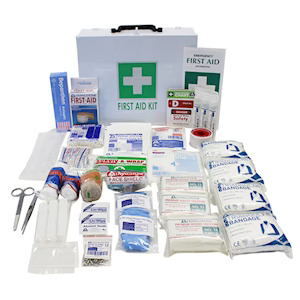
Keeping non adherent dressings in your first aid supplies means you can respond quickly and comfortably when everyday injuries happen.
They are lightweight, individually packed, and easy to store at home, in the workplace, or in a travel kit.
Final Thoughts
A non adherent dressing is a simple but valuable first aid product that helps protect wounds while making dressing changes easier and more comfortable. Whether you are caring for a minor cut, a small burn, or delicate skin, choosing the right dressing can make a noticeable difference during healing.
Livingstone International continues to provide trusted wound care and healthcare products that Australians rely on every day. Our range of non adherent wound dressings offers practical, dependable solutions designed to support everyday first aid, professional care, and comfortable wound management.
Frequently Asked Questions
1. What is a non adherent dressing used for?
A non adherent dressing protects cuts, burns, and minor wounds without sticking to the healing skin, making dressing changes more comfortable while supporting the natural healing process.
2. Can a non adherent wound dressing be used on burns?
Yes. A non adherent wound dressing is commonly used for minor burns because it helps protect sensitive skin while reducing discomfort when the dressing is removed.
3. How often should I change a non adherent dressing?
Replace the dressing whenever it becomes wet, dirty, or as advised by a healthcare professional to keep the wound clean and properly protected.
4. What is the benefit of an absorbent non adherent dressing?
An absorbent non adherent dressing protects the wound while managing light wound fluid, helping keep the area clean and improving comfort during recovery.
5. Is a non adherent dressing 5cm x 5cm suitable for small wounds?
Yes. A non adherent dressing 5cm x 5cm is ideal for many small cuts, scrapes, and minor wounds, providing reliable coverage without unnecessary bulk.
6. Should every first aid kit include non adherent dressings?
Absolutely. Non adherent dressings are useful for everyday injuries and are a practical addition to home, workplace, sports, and travel first aid kits.