Have you ever noticed how some of the smallest tools in a laboratory often do some of the most important jobs? A 25ml beaker is a perfect example. It may look simple, but this small piece of laboratory glassware is used every day in schools, research labs, medical facilities, and industrial workplaces.
When you need to handle a small amount of liquid safely and easily, a 25ml glass beaker can make the job much easier. Whether you are mixing solutions, heating samples, or carrying out experiments, having the right beaker matters.
If you are looking for reliable laboratory equipment, Livingstone International offers quality laboratory products designed for everyday scientific work. Our 25ml glass beaker is made from durable borosilicate glass and is suitable for a wide range of laboratory applications.
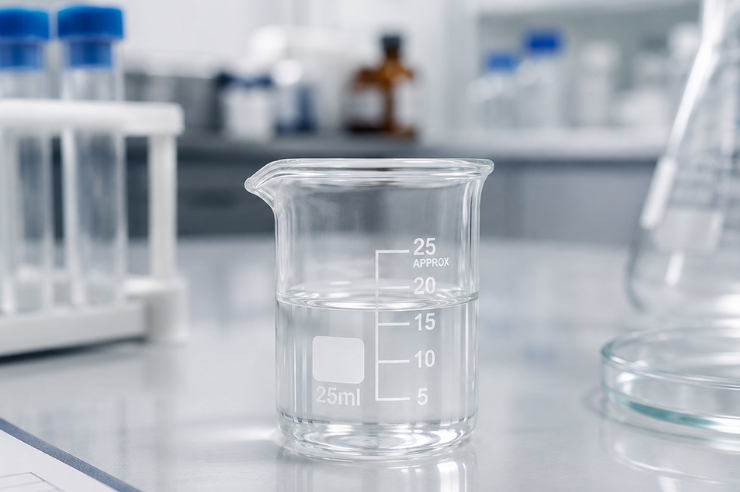
What Is a 25ml Beaker?
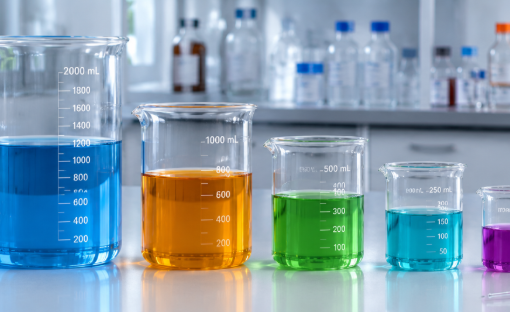
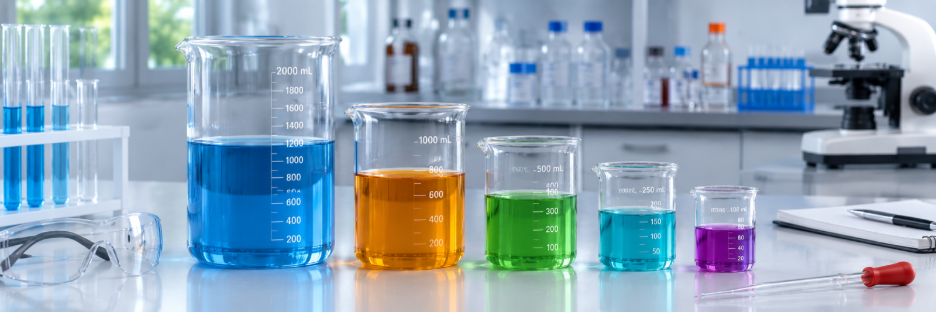
A 25ml beaker is a small laboratory container used to hold, mix, and heat liquids. It usually comes with measurement markings on the side, making it easier to estimate liquid volumes during experiments.
Most laboratories choose a 25ml glass beaker when working with small samples because it is easy to handle and does not take up much space on a workbench.
Despite its small size, it is one of the most commonly used pieces of laboratory equipment.
Why Is a 25ml Glass Beaker So Useful?
Think about a situation where you only need a small amount of liquid. Using a large container would be unnecessary and less practical.
That is where a beaker glass 25 ml becomes useful.
Some of its common advantages include:
- Easy handling during experiments
- Suitable for small liquid volumes
- Convenient for mixing chemicals
- Helps reduce product waste
- Simple to clean and store
- Useful in educational and professional laboratories
Because of these benefits, many laboratories keep several small beakers available for daily use.
Common Uses of a 25ml Glass Beaker
You might be surprised by how many tasks this small beaker can perform.
Mixing Small Quantities of Liquids
Many laboratory procedures require only a small amount of solution. A 25ml glass beaker provides enough space to mix liquids without using larger containers.
This helps improve efficiency and keeps the workspace organised.
Sample Preparation
Scientists and laboratory technicians often prepare samples before testing them. A small beaker is ideal for this task because it allows careful handling of liquids.
Educational Experiments
Schools and colleges regularly use 25ml beakers during science lessons. Students can safely observe reactions and measurements without working with large volumes of chemicals.
Heating Liquids
Many laboratories use a borosilicate glass beaker because it can tolerate heat better than ordinary glass. This makes it suitable for heating small amounts of liquid during experiments. Borosilicate glass is widely used in laboratory environments because of its resistance to heat and chemicals.
Understanding the Low Form Beaker Design
Have you ever wondered why some beakers appear shorter and wider?
This design is called a low form beaker.
A low form beaker with spout has a wider base and lower height compared to tall-form designs. This shape provides better stability and makes it easier to stir liquids.
Benefits of a low form beaker include:
- Better balance on laboratory benches
- Easier stirring and mixing
- Reduced chance of tipping over
- Convenient handling during experiments
These features make it a popular choice in laboratories around the world.
Why a Beaker with Spout Makes a Difference
At first glance, the spout may seem like a small detail. However, it serves an important purpose.
A beaker with spout allows liquids to be poured more accurately. Instead of liquid running down the side of the container, the spout helps direct the flow where it needs to go.
A glass beaker with spout can help reduce spills and improve accuracy during laboratory procedures.
This becomes especially important when working with valuable samples or chemicals.
The Benefits of Borosilicate 3.3 Glass
One of the most important features of a quality 25ml glass beaker is the material used to make it.
Many laboratories choose a boro 3.3 beaker because of its excellent durability.
Borosilicate 3.3 glass offers several advantages:
- High resistance to heat
- Excellent chemical resistance
- Reduced risk of cracking from temperature changes
- Long service life
- Suitable for repeated laboratory use
Laboratory standards commonly recognise borosilicate glass as a preferred material for scientific glassware because of its resistance to chemicals and temperature changes.
Why Laboratories Prefer Borosilicate Glass Beakers
Not all laboratory glass is the same.
A borosilicate glass beaker is often chosen over ordinary glass because it performs better under demanding laboratory conditions.
For example, laboratory safety guidance recommends borosilicate glass for applications involving heat due to its ability to withstand thermal stress more effectively than standard glass.
This means your beaker can handle daily laboratory work with greater reliability.
Whether you work in education, healthcare, research, or industrial testing, choosing quality glassware can help improve both safety and efficiency.
Proper Care for Your 25ml Glass Beaker
Even durable glassware requires proper care.
Here are a few simple tips:
Inspect Before Use
Always check for chips, cracks, or damage before using your beaker. Damaged glassware should not be used because it may break during experiments.
Clean Thoroughly
Wash the beaker after each use to prevent contamination between experiments.
Avoid Sudden Impacts
Although borosilicate glass is durable, dropping it on a hard surface can still cause breakage.
Store Carefully
Place beakers in a secure location where they are protected from accidental damage.
These simple habits can help extend the life of your laboratory equipment.
Choosing the Right 25ml Beaker
When selecting a beaker glass 25 ml, there are several factors worth considering.
Look for:
- Borosilicate 3.3 glass construction
- Clear measurement markings
- Strong and durable design
- A practical pouring spout
- Reliable manufacturing quality
You should also purchase laboratory equipment from trusted suppliers that focus on quality and consistency.
For additional information about laboratory safety practices in Australia, you can refer to the Australian Nuclear Science and Technology Organisation’s laboratory safety guidance available through the ANSTO website.
Why Quality Laboratory Glassware Matters
Imagine performing an important experiment and having your glassware fail at a critical moment.
Reliable laboratory results often depend on reliable equipment.
A quality 25ml glass beaker helps ensure that liquids can be mixed, heated, and transferred safely. It also supports better workflow and helps reduce the risk of contamination or breakage.
That is why many laboratories invest in durable borosilicate glass beakers designed for long-term use.
Conclusion
A 25ml beaker may be small, but its role in scientific work is significant. From mixing solutions and preparing samples to heating liquids and supporting educational experiments, this simple piece of equipment is used every day across many industries.
Choosing a high-quality 25ml glass beaker, especially one made from borosilicate 3.3 glass, can improve safety, durability, and overall laboratory efficiency. If you are looking for dependable laboratory glassware, Livingstone International offers trusted solutions designed to meet the needs of laboratories, schools, healthcare facilities, and research environments. With quality products and a strong focus on performance, Livingstone International remains a reliable choice for professional laboratory equipment.
FAQs
1. What is a 25ml beaker used for?
A 25ml beaker is commonly used for holding, mixing, heating, and transferring small amounts of liquids during laboratory experiments, educational activities, and testing procedures.
2. Why is borosilicate glass used for laboratory beakers?
Borosilicate glass offers excellent resistance to heat and chemicals. It can handle temperature changes better than ordinary glass, making it ideal for laboratory environments.
3. What is a low form beaker?
A low form beaker is shorter and wider than a tall-form beaker. This design improves stability and makes stirring and mixing liquids easier.
4. Why does a beaker need a spout?
A spout helps direct liquid when pouring. This reduces spills and allows better control when transferring solutions from one container to another.
5. Can a 25ml glass beaker be heated?
Yes. Most borosilicate glass beakers are suitable for heating small quantities of liquids during laboratory procedures when used correctly.
6. How should you care for a borosilicate glass beaker?
Inspect it before use, clean it thoroughly after experiments, store it carefully, and avoid using any beaker that shows signs of damage or cracking.