When you get injured, quick action can make a big difference in how fast you recover. An instant ice cold pack is one of the easiest tools you can use to manage pain, swelling, and inflammation right away. Products like the Qwik-Ice Instant Cold Pack from Livingstone International are designed to give you fast relief without needing a freezer.
In this guide, you’ll learn exactly how to use these packs safely, when to use them, and how to get the best results.
What Is an Instant Ice Cold Pack?
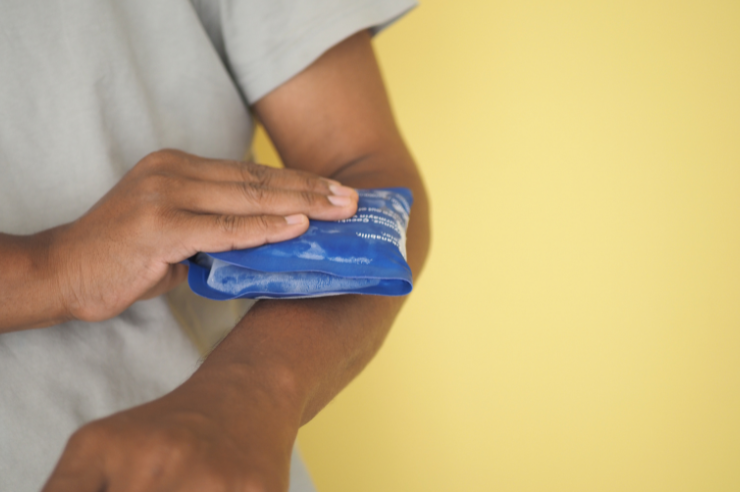
An instant ice cold pack is a portable cooling solution that activates instantly when you squeeze or shake it. Inside, there are separate compartments containing water and chemicals like ammonium nitrate. When mixed, they create an endothermic reaction that produces cold temperatures.
These are commonly used as:
- Instant ice packs for sports injuries
- Emergency first aid tools
- Travel-friendly cooling solutions
Because they are single-use, they are also known as disposable instant cold packs.
Why You Should Use an Instant Cold Pack
Using instant cold packs for injuries can help you:
- Reduce swelling quickly
- Ease pain and discomfort
- Slow down inflammation
- Prevent further tissue damage
If you’ve ever twisted your ankle or strained a muscle, you already know how important fast treatment is. That’s where instant cold ice packs become very useful.
How to Use an Instant Ice Cold Pack (Step-by-Step)
Using an instant pack is simple, but doing it correctly matters for both safety and effectiveness.
1. Activate the Pack Properly
You need to firmly squeeze or strike the pack to break the inner pouch. This releases the chemical and starts the cooling process.
2. Shake to Mix
Once activated, gently shake the pack to mix the contents evenly. This ensures consistent cooling.
3. Wrap Before Applying
Never place the pack directly on your skin. Wrap it in a thin cloth or towel to avoid ice burns.
4. Apply for 15–20 Minutes
Place the pack on the injured area for about 15–20 minutes. This is enough time to reduce swelling without damaging your skin.
5. Take Breaks Between Uses
Wait at least 20–30 minutes before reapplying if needed.
Safety Tips You Should Always Follow
Even though instant cold packs ammonium nitrate are widely used, you still need to handle them carefully.
- Avoid direct skin contact
- Do not puncture the pack
- Keep away from eyes and mouth
- Dispose of properly after use
- Do not use on open wounds
When Should You Use an Instant Ice Pack?
You can use an instant ice cold pack in many everyday situations:
Sports Injuries
If you play sports, these packs are essential. They are perfect for:
- Sprains
- Strains
- Bruises
That’s why instant ice packs for sports injuries are common in gyms and sports kits.
Minor Accidents
You can use them for:
- Bumps
- Minor burns
- Swelling after a fall
Workplace Injuries
Many workplaces keep disposable instant cold packs in first aid kits for quick response. According to Australian health guidance, a well-prepared first aid kit should include items that help manage injuries like sprains and swelling. You can explore what a complete kit should include here:
How Long Do Instant Ice Packs Stay Cold?
A common question is: how long do instant ice packs stay cold?
Most packs stay cold for about 15 to 30 minutes, depending on:
- The brand
- Room temperature
- Pack size
This is usually enough time to manage initial swelling. If you need longer cooling, you may need a fresh pack.
Understanding the Ingredients
Many people are concerned about chemicals like instant cold pack ammonium nitrate.
Here’s what you should know:
- It is safe when used as directed
- It stays sealed inside the pack
- It should never be ingested or exposed to skin directly
Modern products like the Qwik-Ice Instant Cold Pack are designed with safety in mind, using durable outer layers to prevent leaks.
Common Mistakes to Avoid
If you want the best results, avoid these mistakes:
- Applying directly to skin
- Using for too long without breaks
- Reusing a disposable pack
- Ignoring swelling that doesn’t improve
If your injury gets worse, you should always seek medical advice.
Why Choose Instant Cold Packs Over Regular Ice?
You might wonder why not just use ice from your freezer.
Here’s why instant cold ice packs are often better:
- No freezer required
- Ready anytime, anywhere
- Lightweight and portable
- Hygienic and single-use
This makes them ideal for travel, sports events, and emergency kits.
Conclusion
An instant ice cold pack is one of the simplest yet most effective tools you can use for quick injury care. When you use it correctly, you can reduce pain, control swelling, and speed up recovery.
Products like the Qwik-Ice Instant Cold Pack from Livingstone International are designed to make first aid easy, reliable, and accessible whenever you need it. Whether you’re at home, at work, or on the field, having one nearby can make a real difference.
FAQs
1. Can you reuse an instant ice cold pack?
No, most disposable instant cold packs are designed for single use only. Once activated, the chemical reaction cannot be reversed.
2. Are instant cold packs safe for children?
Yes, but you should always supervise use and ensure the pack is wrapped in cloth before applying to the skin.
3. What injuries benefit most from instant ice packs?
They are best for soft tissue injuries like sprains, strains, bruises, and swelling from minor impacts.
4. Can ammonium nitrate in cold packs be harmful?
It is safe when sealed inside the pack. However, if the pack is damaged, avoid contact and dispose of it properly.
5. How often can you apply an instant ice pack?
You can apply it every 1–2 hours, but always limit each session to 15–20 minutes.
6. Are instant ice packs better than gel ice packs?
They are better for emergency use and portability, while gel packs are better for repeated use at home.