People get injured more often than they think. Research shows around 680,000 workers suffer injuries every year, and many of these involve cuts, wounds, or accidents that need quick care.
Slips, trips, and small accidents are some of the most common reasons behind these injuries, making up nearly 30% of all cases. At the same time, millions of working days are lost every year because people are not prepared with the right first aid supplies when accidents happen.
This shows one simple thing – being prepared is not optional anymore. Whether you are at home, in the kitchen, or managing a workplace, having the right wound care products and first aid equipment can make a big difference.
That’s where Livingstone International comes in. We offer a wide range of reliable wound care supplies, first aid products, and everyday essentials to help you stay ready in any situation.
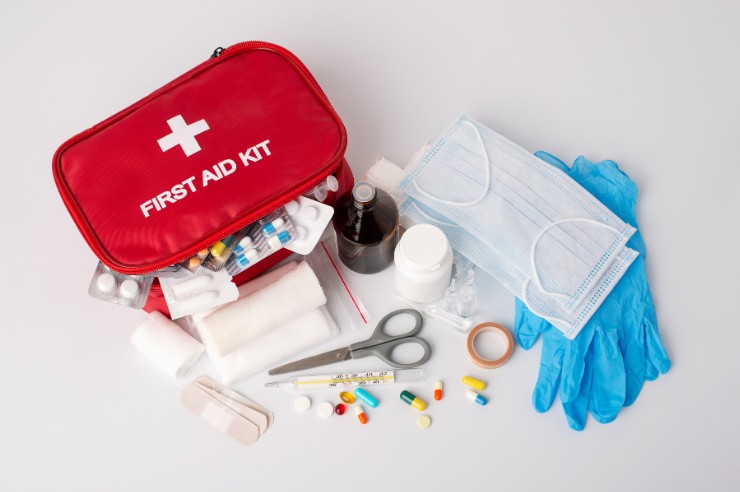
Here are a few important reasons for having quality wound care things:
When accidents happen, the last thing you want is to reach for a bandage or antiseptic that fails you. Having reliable wound care supplies on hand isn’t just a precaution – it’s peace of mind. So let’s explore:
- Preventing Infection
One of the main goals of using the right wound care products is to stop infection. When a wound is not cleaned or covered properly, bacteria can enter easily. This can lead to serious problems. When you use clean wound care supplies, antiseptics, and proper dressings, you reduce this risk and keep the wound safe.
- Promoting Faster Healing
Good wound care dressings help your body heal in a better way. When you keep the wound clean and slightly moist, your skin can repair itself faster. This also helps you get back to your daily routine without long delays or discomfort.
- Reducing Pain and Discomfort
When you take proper care of a wound, you feel less pain. Simple steps like cleaning the wound and using the right wound care bandages can reduce irritation. You can also use basic pain relief methods if needed, but proper care itself already helps a lot.
- Minimising Scarring
Using the right wound dressing supplies can help reduce scars. When a wound heals properly without infection or damage, the marks left behind are usually less visible. This is important for both comfort and appearance.
- Preventing Chronic Wounds
If a wound is ignored or treated poorly, it can become long-lasting. These are harder to manage and may affect your daily life. Good first aid supplies and early care help prevent this problem and support normal healing.
What Good Wound Care Actually Looks Like
Let me walk you through what proper care looks like in real life. It is simpler than you might expect.
1. Initial Assessment
Start by checking the wound carefully. Look at its size, depth, and cause. This helps you decide what type of first aid equipment or dressing you need.
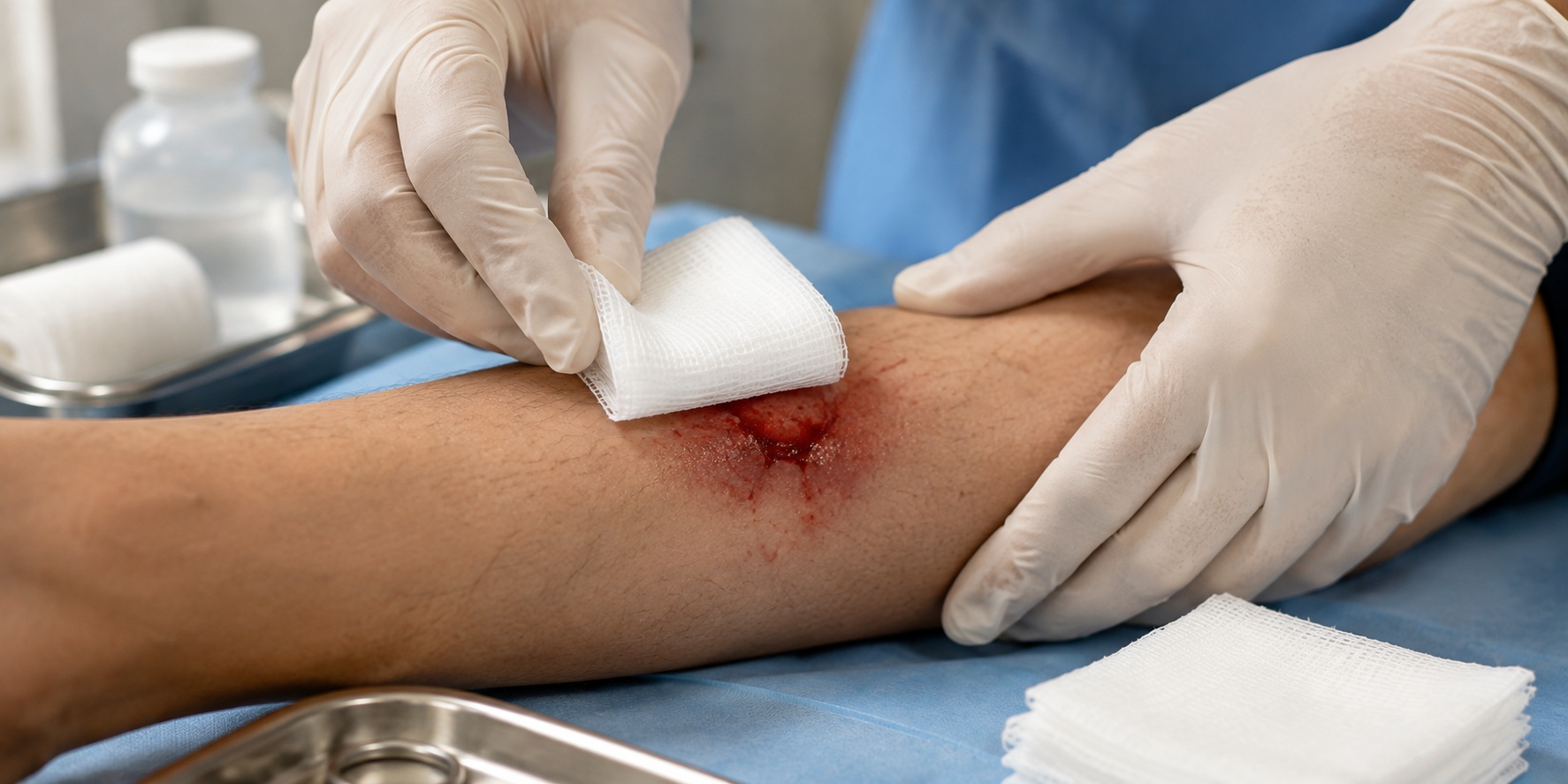
2. Cleaning the Wound
Cleaning is one of the most important steps in emergency first aid:
- Wash your hands before and after care
- Use gloves if available
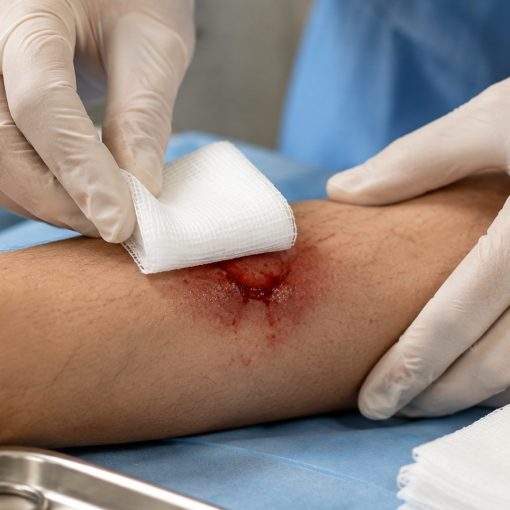
- Rinse the wound with clean water or saline
- Avoid strong chemicals that can harm the skin
3. Removing Damaged Tissue
Sometimes wounds have dirt or damaged skin that needs to be removed. This step helps healing but should be done carefully. For serious cases, it is better handled by a trained professional.
4. Applying Treatment
After cleaning, you can apply basic treatments:
- Antiseptic creams to reduce infection risk
- Ointments to protect the wound
- Special dressings if needed
These first aid products create a safe layer over the wound.
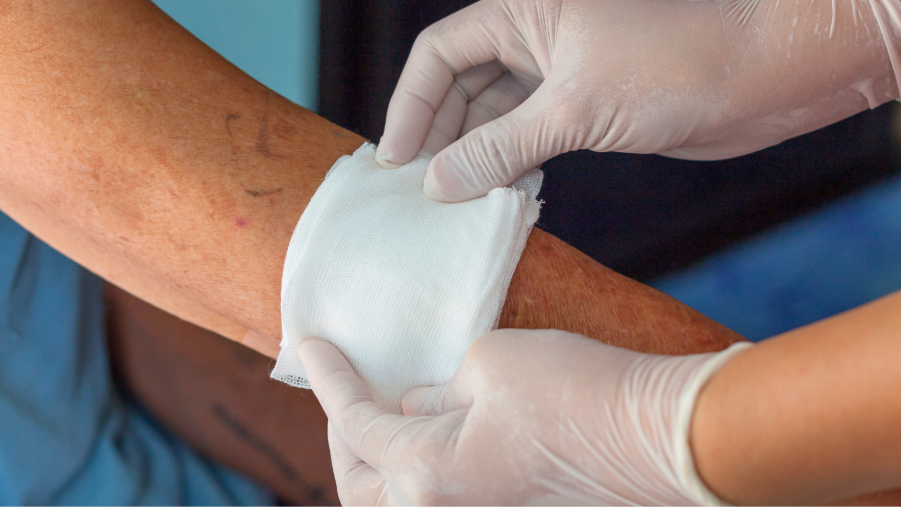
5. Dressing the Wound
Choosing the right dressing is very important:
- It should keep the wound slightly moist
- Should absorb any fluid
- It should protect from dirt and bacteria
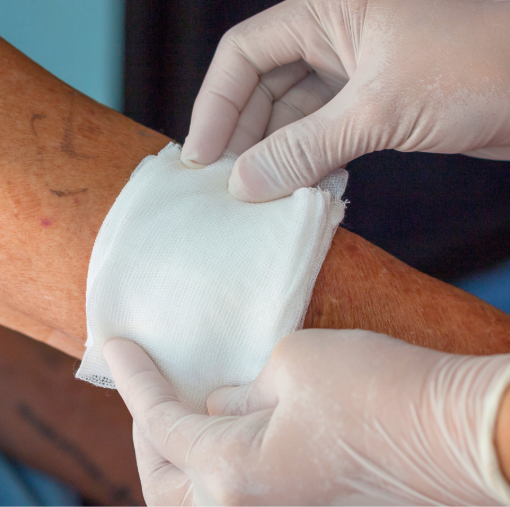
Change your wound care bandages regularly to keep the area clean.
6. Monitoring the Wound
You should check the wound daily:
- Look for redness or swelling
- Notice any unusual pain or discharge
- Make sure healing is improving
If something feels wrong, it is better to seek medical advice.
7. Managing Pain
Pain can be managed in simple ways:
- Use basic pain relief if needed
- Keep the wound clean and covered
- Avoid pressure on the injured area
Proper wound care supplies already help reduce discomfort.
8. Managing Health Conditions
Some health issues can slow healing:
- Diabetes
- Poor blood flow
- Low nutrition
Taking care of these helps your wound heal better.
9. Learning Proper Care
Understanding how to use your first aid kit is very important. When you know what to do, you act faster and with more confidence.
Conclusion:
Being prepared with the right wound care supplies and first aid products helps you handle injuries in a calm and simple way. It’s not about having more items – it’s about having the right ones ready when you need them.
With trusted solutions from Livingstone International, you can easily keep your home or workplace prepared. Explore our full range here. A well-prepared kit gives you confidence when it matters most. Shop now!
Faqs:
1. I manage a facility with both clinical and industrial areas. Can the same wound care supplies work for both?
Probably not. Clinical areas need gentle wound care dressings for fragile skin and chronic wounds. Industrial areas need trauma-focused supplies like bulky gauze and pressure bandages. A good wound care supplier helps you stock both so you are covered for every situation.
2. What does “workplace compliant” safety eyewear actually mean?
It means the safety glasses meet Australian Standard AS/NZS 1337.1. But compliance is not one-size-fits-all. You need impact-rated eyewear for grinding or debris. You need chemical splash goggles for handling liquids. Matching the rating to your actual risk is what real site safety looks like.
3. How do I know if I am buying genuine wholesale wound care supplies or just cheap imports?
Look for clear Therapeutic Goods Administration (TGA) listings on sterile products. Genuine wholesale wound care supplies come with batch numbers, expiry dates, and proper storage instructions. Reliable wound care suppliers provide this transparency. If those details are missing, you are likely getting unbranded imports with no accountability.
4. When should I use a wound care bandage versus a full dressing kit?
A wound care bandage is for covering and protecting a clean, stable wound. You reach for a dressing kit when you need everything in one place – sterile gauze, tape, antiseptic, and gloves – usually for initial treatment or when dealing with a larger injury. Having both options in your first aid equipment saves time in an emergency.
5. How often should I replace safety eyewear in a workplace?
Replace safety eyewear immediately if you see scratches that blur vision, cracks, or loose frames. Even without visible damage, replace them every 2 to 3 years if used regularly. UV exposure and cleaning chemicals degrade the material over time. Regular replacement is a simple part of good safety product management.