A small wound can need careful attention. The products used to clean, cover and protect it can make a real difference to the overall care process. This is why Sterile Gauze Swabs remain an essential item in hospitals, clinics, aged care facilities, first aid settings and other healthcare environments.
Cotton gauze is widely used because it is soft, absorbent and easy to handle. When supplied in sterile packaging, it can support clean wound care and help healthcare professionals manage a range of everyday treatment needs.
At Livingstone International, healthcare professionals and medical buyers can find practical wound care supplies designed for different applications. Sterile cotton gauze swabs are available in useful sizes and pack options to support routine clinical and healthcare use.
So, why is cotton such a common material for gauze swabs? Its simple but useful qualities make it suitable for many wound care tasks.

What Are Sterile Gauze Swabs?
Sterile gauze swabs are small pieces of woven material used during wound care and other healthcare procedures. They are processed and packed to maintain sterility until the package is opened.
These swabs may be used to clean around a wound, absorb blood or fluid, apply a suitable solution or provide temporary wound coverage. The exact use depends on the product and the type of care required.
Sterile gauze is available in different sizes and thicknesses. Some swabs have several layers, known as plies. The number of plies can affect the thickness and absorbency of the gauze.
Before using a sterile product, always check the packaging. If the pack is open, torn, wet or damaged, the product may no longer be suitable for sterile use.
Cotton Is Soft and Gentle
One of the main reasons cotton is used in wound care is its soft texture. The skin around a wound may be sensitive, so a rough material could cause discomfort.
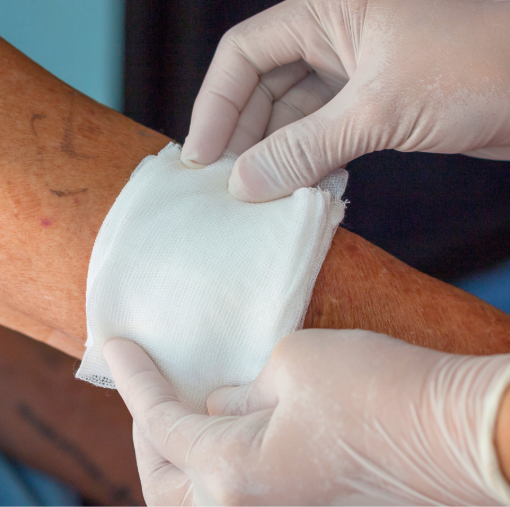
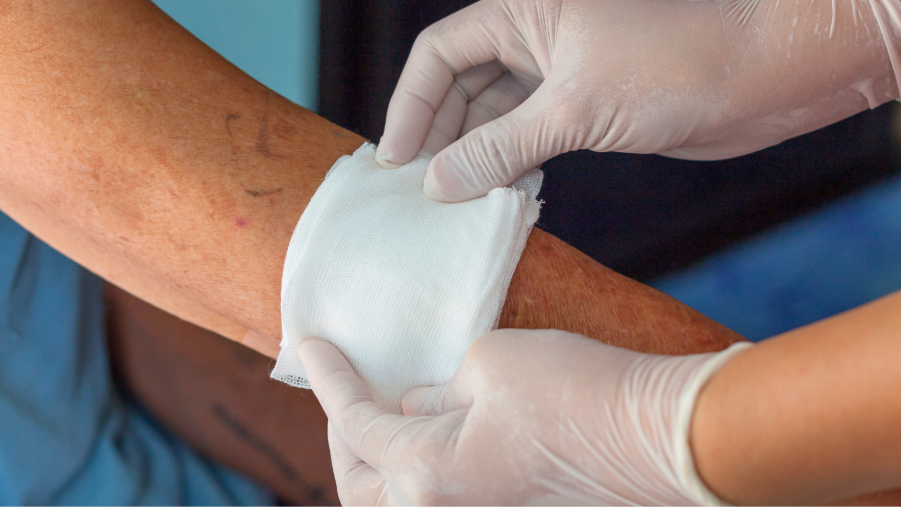
Cotton gauze provides a gentle surface that can be used when cleaning or covering a wound. It is also flexible, which makes it easier to place over different areas of the body.
The soft feel of cotton can make wound care more comfortable. However, gauze should always be handled carefully and applied using the correct method. The amount of pressure used will depend on the wound and the treatment required.
Cotton Gauze Offers Good Absorbency
Absorbency is another important benefit. Wounds may produce blood or fluid, and gauze can help manage this during treatment.
Cotton fibres can absorb fluid while remaining easy to hold and position. The level of absorbency may vary depending on the size and thickness of the swab.
For example, a thicker or higher-ply swab contains more layers of material. This may provide additional absorbency for suitable applications. However, a thicker swab is not always the right choice. The product should be selected according to the wound and the amount of fluid present.
Livingstone’s sterile cotton gauze swabs are available in practical sizes, including 10 × 10 cm options with an 8-ply design. These products can support general wound care and other suitable healthcare applications.
Sterility Supports Clean Wound Care
Keeping a wound clean is an important part of proper care. Sterile gauze is supplied in sealed packaging to help protect the product before use.
You should check that the packaging is intact before opening it. Avoid using a swab if the pack is damaged or has been exposed to moisture.
Good hygiene is also important during wound care. The Australian Government health information service, Healthdirect, recommends washing your hands before treating a wound and keeping the wound clean. You can read more in its guidance on wounds, cuts and grazes.
Sterile gauze is only one part of wound management. You should follow the correct workplace procedures and seek advice from a qualified healthcare professional when needed.
Sterile Gauze Swabs Are Versatile
Sterile gauze can be used for many healthcare tasks. Depending on the product and the situation, it may be used to:
- Clean around a wound
- Absorb blood or wound fluid
- Apply a suitable cleaning solution
- Cover or protect a wound
- Support dressing changes
- Assist during minor medical procedures
This flexibility makes gauze a useful item in many settings. Medical clinics, hospitals, dental practices, aged care facilities and first aid providers may all keep gauze swabs as part of their regular supplies.
Some surgical gauze swabs may also be used during medical procedures. However, the product must be suitable for the intended purpose, and the correct clinical process should always be followed.
Cotton Gauze Is Easy to Handle
Healthcare professionals often need products that are simple to use. Cotton gauze is lightweight and flexible, making it easy to hold, fold and position.
A swab can be folded into a smaller shape when needed. It can also be placed over a particular area or used with other suitable wound care products.
Its flexible structure allows healthcare professionals to use it in different ways without making the material difficult to manage. This can help make routine wound care more efficient.
Different Sizes and Ply Options Are Available
Not every wound requires the same type of gauze. This is why sterile gauze swabs are available in different sizes and ply counts.
Smaller swabs may be useful for precise tasks, while larger swabs can provide more coverage. The right size depends on the area being treated and the purpose of the gauze.
The ply count refers to the number of layers in the swab. A higher ply count generally creates a thicker piece of gauze and may provide greater absorbency.
When choosing a product, consider the intended use, the amount of fluid that may need to be absorbed and the level of coverage required.
How to Choose the Right Sterile Gauze Swabs
When selecting Cotton Gauze Swabs, it is helpful to review a few key details.
First, check the material. Cotton is a popular choice because it is soft and absorbent.
Next, consider the size. Choose a swab that provides suitable coverage for the task. A larger size may be useful for wider areas, while a smaller swab may support more detailed work.
You should also review the ply count. The number of layers can affect the thickness and absorbency of the product.
Finally, check the packaging and product information. The pack should be sealed and undamaged. Always read the manufacturer’s instructions before use.
Proper Storage Matters
Sterile gauze should be stored in a clean and dry area. Keep the packaging away from moisture, spills and possible damage.
Avoid placing packs where they may be crushed or torn. Before use, inspect the packaging to make sure it is still sealed and in good condition.
Following the manufacturer’s storage instructions can help maintain product quality until the gauze is needed.
Conclusion
Cotton sterile gauze is commonly used in wound care because it is soft, absorbent, flexible and easy to handle. These qualities make it useful for cleaning wounds, managing fluid and supporting suitable wound coverage.
The right product will depend on the intended use. Size, ply count, absorbency and packaging should all be considered before making a choice. It is also important to follow proper hygiene practices and seek professional advice when a wound needs medical attention.
Livingstone International provides a broad range of medical and wound care supplies for healthcare professionals and organisations. Its sterile cotton gauze swabs offer practical options for everyday clinical and healthcare needs.
Frequently Asked Questions
1. What are sterile gauze swabs used for?
Sterile gauze swabs may be used to clean wounds, absorb blood or fluid, apply suitable solutions and provide temporary wound coverage during appropriate healthcare or first aid procedures.
2. Why are cotton gauze swabs commonly used?
Cotton gauze swabs are soft, absorbent and flexible. These qualities make them useful for wound cleaning, fluid management and supporting suitable wound care and dressing procedures.
3. Are sterile gauze swabs suitable for every wound?
No. Different wounds need different types of care. Some wounds may require specialised dressings or medical treatment. Always follow professional advice and appropriate wound care procedures.
4. What does 8-ply gauze mean?
An 8-ply gauze swab contains several layers of gauze. The layered design creates a thicker swab and may provide useful absorbency for suitable applications.
5. Can sterile gauze swabs be reused?
No. Single-use sterile gauze swabs should not be reused. Once opened or used, they may become contaminated and should be disposed of according to relevant procedures.
6. How should sterile gauze swabs be stored?
Store sterile gauze swabs in a clean, dry place. Protect the packaging from moisture and damage, and check that the pack remains sealed before use.