Community pharmacies across Australia are increasingly becoming frontline destinations for accessible, preventative healthcare. As patient expectations shift and primary care services face mounting pressure, urinalysis testing has emerged as one of the simplest yet most valuable screening tools a pharmacy can offer. For pharmacy teams looking to expand clinical services, and for everyday Australians wanting quick answers about their health, urine testing bridges a gap that GPs and hospitals can’t always fill quickly.
Pharmacies investing in this space need access to reliable testing supplies, such as the Livingstone Urine Multi-Test Strips, as well as a broader range of urine testing products to suit different screening needs.
This article explores why urinalysis is gaining traction in pharmacy settings, what conditions it can help detect early, and how pharmacies can integrate this service responsibly.
What Is Urinalysis and Why Does It Matter?
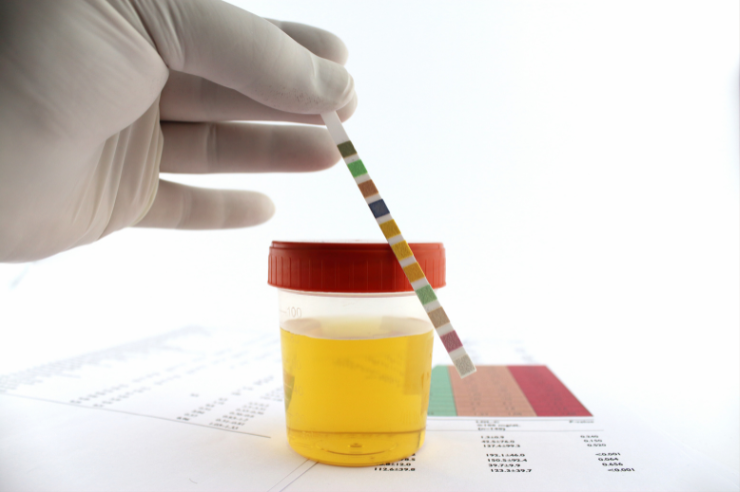
Urinalysis is the physical, chemical and microscopic examination of urine to detect signs of disease or imbalance in the body. In a community pharmacy context, this typically involves a urine dipstick test, where a reagent strip is dipped into a sample and changes colour to indicate the presence of substances such as glucose, protein, blood, ketones, leukocytes and nitrites.
These dipstick tests are valued for being fast, affordable and non-invasive. Results are often available within minutes, allowing pharmacists to provide immediate guidance or referral. According to health direct Australia, dipstick testing is widely used because it delivers rapid results without the wait associated with laboratory-based testing (Health direct Australia, 2024).
Many pharmacies utilise urine reagent test strips 10 parameter systems, enabling multiple health indicators to be assessed from a single sample, making them highly efficient for point-of-care screening.
Why Is Urinalysis Becoming More Common in Pharmacies?
Increasing Demand for Accessible Health Screening
Australians are visiting pharmacies more frequently for health checks that once required a GP appointment. Long wait times for general practice appointments, combined with the convenience of walk-in pharmacy services, have made pharmacies a logical first stop for early symptom investigation.
Expanding Scope of Pharmacist Practice
Pharmacist roles in Australia continue to expand beyond dispensing. The Pharmaceutical Society of Australia’s Professional Practice Standards outline a clear process for pharmacists conducting point-of-care testing, including discussing results with patients, addressing their concerns and referring them to appropriate healthcare professionals when results fall outside the pharmacist’s scope (Pharmaceutical Society of Australia, 2023). This structured approach gives pharmacies the clinical governance needed to confidently offer testing services such as urinalysis.
Supporting broader health screening initiatives, pharmacies are increasingly incorporating complementary monitoring services such as the fully automatic BP monitor with voice technology, allowing patients to conveniently monitor cardiovascular health alongside urine-based screening programs.
Supporting Antimicrobial Stewardship
Pharmacist-led urinary tract infection (UTI) services using point-of-care urinalysis have shown strong outcomes internationally and within Australia, helping resolve symptoms quickly while supporting appropriate antibiotic use rather than unnecessary prescribing.
What Can a Urine Test Detect?
A standard urine multi-test strip can flag a wide range of potential health concerns, often well before symptoms become severe. High-quality urine reagent test strips 10 parameter products provide comprehensive screening across multiple diagnostic markers.
Urinary Tract Infections
The presence of leukocytes, nitrites or blood in urine can indicate a UTI, one of the most common reasons patients seek pharmacy-based urine testing.
Diabetes and Blood Glucose Irregularities
Glucose detected in urine may signal poorly controlled or undiagnosed diabetes, prompting further investigation or referral.
Kidney Function Concerns
Protein in the urine can be an early indicator of kidney stress or dysfunction, particularly relevant for patients with hypertension or diabetes.
Liver and Metabolic Indicators
Ketones and bilirubin levels can offer insight into metabolic conditions, dehydration or liver-related issues.
Pregnancy and Hormonal Markers
Beyond multi-test strips, pharmacies commonly support pregnancy testing as part of broader urine-based screening offerings.
How Does Pharmacy Urinalysis Benefit Patients?
For consumers, the appeal is straightforward: convenience, speed and privacy. Many patients feel more comfortable discussing symptoms with a familiar pharmacist than booking a GP visit for what may seem like a minor concern. Early detection through a simple dipstick test can prompt timely referral, potentially preventing a minor issue from progressing into a more serious one.
How Can Pharmacies Implement Urinalysis Testing Effectively?
Staff Training and Confidence
Pharmacy assistants and pharmacists should be trained to interpret dipstick results accurately and understand when referral is necessary, rather than relying solely on colour-chart comparison.
Quality Reagent Strips
Using reliable, accurate urine multi-test strips is essential for consistent results. Pharmacies can explore options such as the Livingstone Urine Multi-Test Strips, featuring urine reagent test strips 10 parameter testing capabilities designed for efficient in-pharmacy screening across multiple parameters.
Clear Patient Communication
Patients should understand that pharmacy dipstick testing is a screening tool, not a diagnostic replacement for laboratory pathology or medical consultation.
Stocking for Demand
As more pharmacies introduce screening services, having a reliable range of urine test products on hand ensures pharmacies can respond to patient needs without delay. Partnering with a professional urine test strips supplier Australia pharmacies rely on can help ensure product availability, quality assurance and ongoing support.
Is Pharmacy Urinalysis a Diagnostic Test?
No. Urinalysis dipstick testing in pharmacy is a screening and triage tool. Abnormal results should always be followed by referral to a GP or pathology service for confirmatory testing, particularly for conditions such as diabetes, kidney disease or suspected infection requiring antibiotic treatment.
The Future of Urinalysis in Community Pharmacy
As Australian pharmacies continue expanding their clinical service offerings, urinalysis testing represents a low-cost, high-value addition that supports both preventative health and patient trust. For pharmacy owners, it’s an opportunity to differentiate services. For patients, it’s a faster path to peace of mind or timely referral.
Pharmacies that invest in proper training, quality testing supplies and clear referral pathways are well positioned to make urinalysis a genuinely valuable part of everyday community healthcare. Working with a professional urine test strips supplier Australia healthcare providers trust, while complementing screening services with equipment such as a fully automatic BP monitor with voice functionality, can further strengthen a pharmacy’s preventative healthcare offering.
References
Healthdirect Australia (2024) Urine tests. Available at: https://www.healthdirect.gov.au/urine-tests (Accessed: 17 June 2026).
Pharmaceutical Society of Australia (2023) Professional Practice Standards. Available at: https://www.psa.org.au/practice-support-industry/pps/ (Accessed: 17 June 2026).